Key Takeaways
The coolest restaurant in Austin is not defined by a single dish or dress code. It is the place where the food, setting, service, and neighborhood fit the kind of meal you want.
- Look for a restaurant with a clear point of view, not just a photogenic room.
- Match the neighborhood and atmosphere to your occasion.
- Preview menus and dish photos when you have a specific craving.
- Check reservations, parking, weather, and dietary details before you go.
- Compare current menus, prices, and recent reviews before choosing.
What makes a restaurant the coolest in Austin
The coolest restaurant in Austin gives you a reason to remember the whole visit, not only the entrée. You should feel a sense of place when you walk in, notice care in the menu, and leave with at least one detail worth talking about. The right choice depends on your taste, company, budget, and tolerance for a little restaurant uncertainty.
Atmosphere, design, and the overall experience
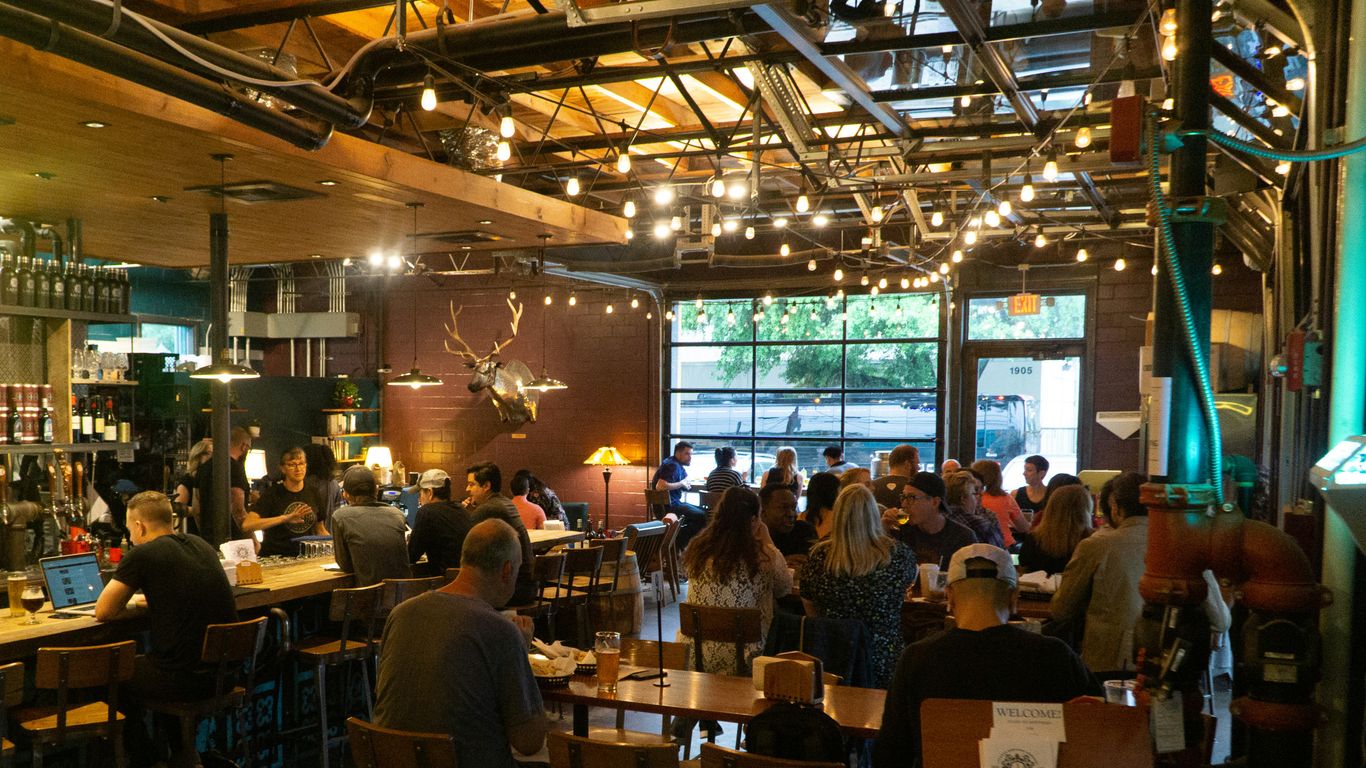
A great dining room sets expectations before the first bite. Maybe it is dark and intimate, bright and casual, or built around an open kitchen where you can watch the action. Pay attention to whether the room helps you relax and talk, because beautiful design is less useful when the music is too loud or the tables feel cramped.
Service matters just as much. A relaxed meal can still feel polished when the staff explains the menu clearly, keeps the pace comfortable, and understands when you want guidance versus privacy. The best atmosphere supports the food instead of competing with it.
Creative menus that reflect Austin’s food culture
Austin dining is at its most exciting when familiar Texas ingredients meet ideas from somewhere else. You might find smoky flavors beside bright herbs, handmade tortillas with unexpected fillings, or a vegetable dish treated with the same attention as a steak. The menu should feel specific to the kitchen rather than assembled from whatever is currently fashionable.
If you are deciding between several places, study the menu language. A short menu with thoughtful descriptions can signal a focused kitchen, while a long menu may work better for a group with mixed appetites. Use Austin’s coolest restaurants guide to compare the broader mix of atmosphere, creative food, and neighborhood character before narrowing your list.
Live music, patios, and other signature touches
Austin’s personality often appears around the edges of dinner. A patio with shade, a small stage, a good bar program, or a lively counter can turn an ordinary meal into a night out. These extras are most effective when they fit the restaurant rather than serving as decoration.
Think about what you actually want from the evening. Live music can add energy, but it may make conversation harder; a patio can be perfect in October and uncomfortable in August. If you want a casual social setting with room to linger, browse Austin dining experiences by mood instead of choosing solely from a list of famous names.
Why local reputation matters beyond social media
A busy feed can show you a beautiful plate, but it cannot tell you whether the restaurant delivers consistently or whether the room works for your plans. Local reputation is more useful when it reflects repeat visits, dependable service, and a menu that still makes sense after the first impression fades.
You can also look for practical signals: current hours, recent menu changes, and photos that show ordinary dishes rather than only the hero plate. When you are choosing among several options, current Austin food guides can help you sort restaurants by neighborhood, occasion, style, or budget.
Austin neighborhoods with the city’s most exciting restaurants
Austin does not have one single restaurant center, so your neighborhood choice shapes the evening. Downtown may suit a pre-show dinner, while East Austin can feel better for an unhurried meal with drinks afterward. South Congress and the northern neighborhoods offer their own pace, prices, and visual character.

Before booking, consider what happens before and after dinner. A walk, concert, hotel, or second stop can make one area much more convenient than another. The coolest restaurant in Austin is often the one that fits naturally into your whole plan.
Downtown and the Warehouse District for energetic nights out
Downtown and the Warehouse District work well when you want a lively evening with plenty happening nearby. You will find a mix of polished dining rooms, cocktail bars, and restaurants that make sense before a show or after checking into a central hotel. Expect a faster pace and, in some areas, more challenging parking.
Choose this part of town when convenience and energy matter more than quiet. A reservation can protect your schedule, especially on event nights, and a quick menu check can prevent surprises when your group has different budgets or dietary needs.
East Austin for inventive food and laid-back atmosphere
East Austin rewards diners who like a little movement in their evening. The area has a relaxed, social feel, with restaurants and bars that often encourage sharing, lingering, and trying something unfamiliar. It is a strong choice when you want creative food without a formal atmosphere.
Give yourself time to read the menu instead of ordering too quickly. Small plates may be ideal for sampling several flavors, while a larger dish can be more practical if you are hungry after a long day. Rideshare is often simpler than circling for a street space.
South Congress for iconic dining and people-watching
South Congress is a natural fit when your dinner is part of an Austin outing. You can browse shops, walk the avenue, and settle into a meal with plenty of people-watching before or afterward. The area suits visitors who want a recognizable Austin setting, though popularity can mean more waiting and higher demand.
For a broader look at South Congress, South Lamar, and South First, use this South Austin dining guide to compare the area by occasion and pace. Book ahead for a planned dinner, or aim for an earlier meal if you want more flexibility.
North Loop, Hyde Park, and other local favorites
North Loop and Hyde Park offer a more neighborhood-oriented rhythm. You may find smaller dining rooms, casual counters, and spots where regulars return for a familiar order rather than a big night out. These areas are useful when you want good food without making the restaurant the entire event.
Look beyond the headline categories. A modest room can serve a more satisfying meal than a highly designed space, especially when you care about flavor, portion, or value. Check the route and hours before leaving, since these neighborhoods are spread across several distinct pockets.
How to choose the right restaurant for your occasion
Start with the occasion, then decide what kind of food and setting will support it. A romantic dinner needs a different table, noise level, and pace than a birthday for ten people. If you identify those basics first, the list of possible restaurants becomes much easier to manage.
You can also preview dishes before committing. SeeDish lets you explore Austin restaurants and browse menus visually, which is useful when the group is deciding between tacos, pasta, barbecue, sushi, or something lighter. Seeing the food first can reveal whether a place fits the appetite you actually have.
Date nights and memorable celebrations
For a date or celebration, look for a menu with enough range to feel special without forcing a long tasting format. Comfortable lighting, thoughtful pacing, and a dessert or drink worth sharing can matter as much as the main course. You want room for conversation and at least one moment that feels distinct from a routine dinner.
Ask about the table location when you reserve. A seat near a loud bar or service station can change the experience, while a patio may be wonderful if the weather is mild. If the menu is unfamiliar, preview it so you can spend the evening enjoying the company rather than decoding every option.
Group dinners, birthdays, and visiting guests
Groups need practical flexibility. Check whether the restaurant accepts large-party reservations, offers shareable portions, and can handle different preferences without slowing the table down. For visitors, a recognizable Austin flavor or neighborhood setting can make dinner feel connected to the trip.
A little planning avoids predictable friction. Confirm the reservation time, cancellation policy, and whether the restaurant uses a fixed menu for larger parties. If everyone is choosing separately, send the menu around before you arrive so the first round of decisions does not take twenty minutes.
Casual meals with standout food
A memorable meal does not need white tablecloths or a long wait. Casual restaurants can be the better choice when you want to eat well, dress comfortably, and keep the evening flexible. Look for a concise menu, steady turnover, and dishes that sound appealing without a lot of explanation.
When you have a specific craving, photographs are especially practical. You can compare portion size, texture, and presentation before driving across town, then choose a place that serves the kind of food you already want. For another way to narrow options, try this meal-finding guide when you are deciding by appetite rather than reputation.
Restaurants that work for business dinners
Business dinners call for a room where you can hear one another and leave without feeling rushed. A dependable menu helps when guests have different preferences, while attentive service keeps the conversation moving. Consider a central location if people are coming from opposite sides of Austin.
Reserve earlier than you think you need to, especially for a weekday evening near downtown. It is also worth checking whether the restaurant can seat your group at one table instead of splitting you across a bar or patio. A little restraint in the menu makes the dinner feel more professional.
What to look for on the menu
The menu is where a restaurant’s personality becomes concrete. Read beyond the dish names and notice the balance of textures, spice, richness, and portion sizes. You should be able to tell whether the kitchen is built around smoke, masa, produce, noodles, seafood, or another central idea.
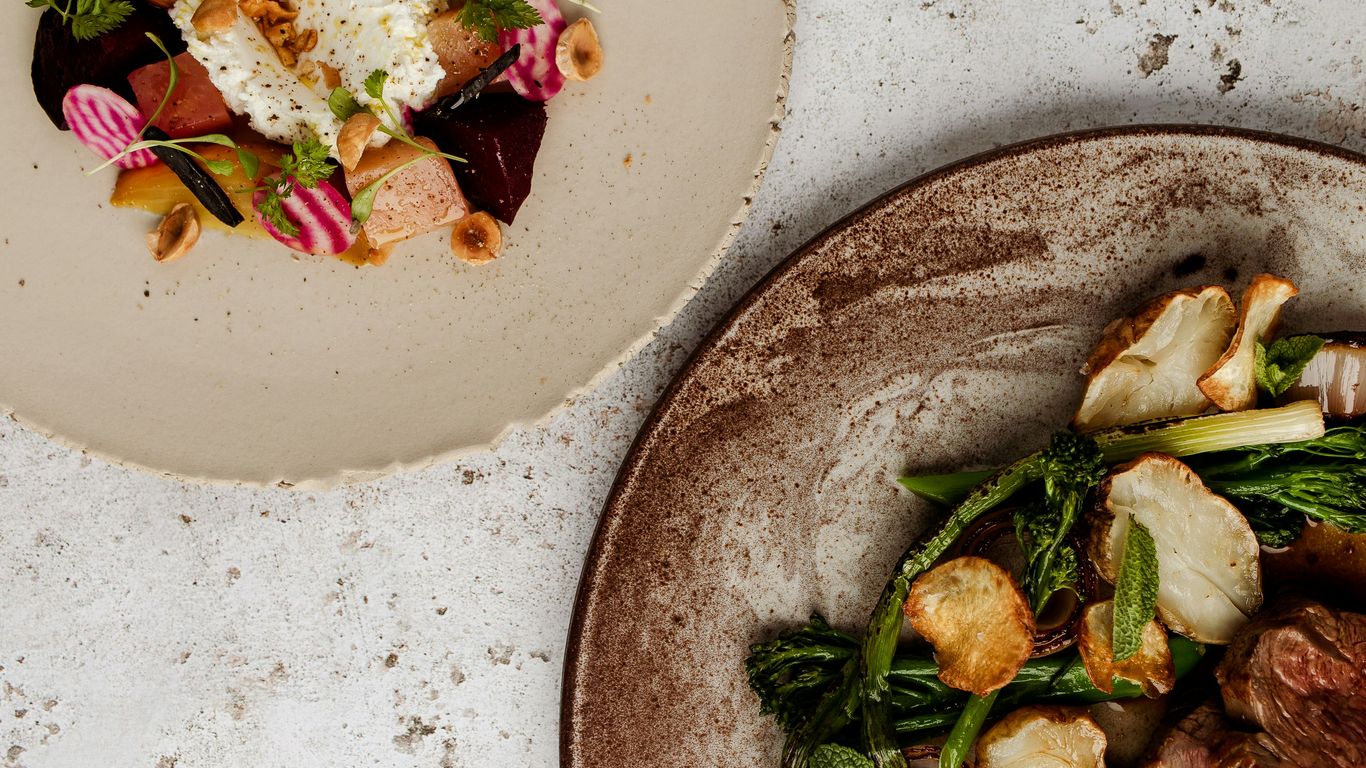
If you are comparing restaurants, visual menus can answer questions that descriptions leave open. A photo may show whether a dish is snack-sized, heavily sauced, piled with toppings, or likely to travel well from the kitchen to your table.
Seasonal Texas ingredients and local sourcing
Seasonal cooking often gives you the clearest sense of place. Look for Texas produce, regional grains, local meats, and rotating preparations that change as ingredients do. A menu that changes thoughtfully can be more interesting than one that promises the same options all year.
Do not assume seasonal means expensive or formal. It may appear in a simple salad, a side of grilled vegetables, or a fruit-forward dessert. Ask what is especially good right now, then choose one dish that shows the season and one dependable favorite.
Austin takes on barbecue, Tex-Mex, and Southern food
Austin’s classics are useful reference points, but the best versions do not all look alike. Barbecue may emphasize smoke and bark, Tex-Mex may balance richness with bright salsa, and Southern food may focus on crisp textures, slow cooking, or careful seasoning. You can learn a lot by comparing how different kitchens handle familiar ingredients.
For a first visit, order a mix of recognizable and distinctive dishes. A shared plate gives you context, while a house specialty shows what the kitchen wants to be known for. Check the portion style before ordering several large entrées for the table.
Vegetarian, vegan, and gluten-free dining options
Dietary needs should be part of the decision from the start, not an afterthought once everyone sits down. Look for clearly marked items, useful substitutions, and enough variety that one person is not limited to a side salad. Cross-contact questions may require a direct call to the restaurant.
Menu photos can help you judge whether plant-based or gluten-free dishes are central to the meal or simply added for coverage. If you are dining with a mixed group, choose a restaurant where the shared starters and main dishes offer genuine options for everyone.
Cocktails, natural wine, and local beer pairings
Drinks can shape the rhythm of dinner, especially when the menu leans spicy, smoky, or rich. A crisp beer may refresh a chile-heavy dish, while a bright cocktail can cut through fried food. Natural wine lists often reward curiosity, but you should feel comfortable asking for a flavor profile rather than a technical explanation.
Pairings do not need to be expensive to be useful. Ask what works with the dish you already want, and avoid ordering a drink simply because it is distinctive on paper. The best match makes the food taste clearer, not more complicated.
Planning your visit to Austin’s coolest restaurant
A good plan protects the part of the evening you care about most. Check the reservation policy, travel time, parking, menu, and weather before you leave. Austin traffic and heat can change the mood of a dinner quickly, particularly when you are crossing town for a popular table.
The practical details are not separate from the experience. They determine whether you arrive relaxed, whether you can stay for dessert, and whether a patio is enjoyable or punishing. Give yourself a little margin instead of scheduling every minute.
When to make a reservation
Reserve as soon as you know the date for a popular dinner, a celebration, or a group larger than four. Some restaurants release tables on a set schedule, while others use a waitlist or accept only limited bookings. Read the policy closely so you know what happens if your plans change.
For casual places, check whether reservations are actually accepted. Showing up early may be more effective than refreshing a booking page, and a weekday lunch can offer the same menu with less pressure. Keep a second option nearby if the first choice is especially difficult to book.
The best times to avoid crowds
Earlier dinners and late lunches are usually easier for conversation and quicker service. Weeknights can be calmer than Friday and Saturday, although a nearby concert or event may change that pattern. If you want the full energy of a busy room, arrive at the start of service rather than during the peak rush.
Ask the restaurant about its quietest window if noise matters to you. A table at five may feel very different from the same table at seven-thirty. Timing is one of the simplest ways to improve a meal without spending more.
Parking, rideshares, and neighborhood logistics
Look up the route before you leave, especially for Downtown, East Austin, and South Congress. A nearby garage may be easier than hunting for street parking, while rideshare can make drinks and event-night traffic less stressful. Allow extra time if you are dining before a show or game.
For groups, decide on transportation before anyone orders. It is also helpful to agree on a meeting point if the restaurant has a large patio, multiple entrances, or a busy surrounding block. Small logistics become much less noticeable when they are handled early.
Dress codes, outdoor seating, and weather considerations
Most Austin restaurants are more relaxed than their photos suggest, but a polished dining room may still call for smart casual clothing. Check whether the patio is covered, heated, or first-come, especially during hot afternoons and sudden rain. Outdoor seating can be wonderful, but it should match the forecast and your group’s comfort.
Bring a light layer for air-conditioned dining and confirm whether a patio reservation is guaranteed. If the weather turns, ask what the indoor backup plan is. A flexible attitude helps, but clear information is better.
How to compare Austin’s top dining experiences
Comparing restaurants gets easier when you separate the things you want from the things you merely notice. A dramatic room may not matter if you want a quick meal, while a simple counter can be ideal when the dish itself is the priority. Use the same questions for every option so a single attractive photo does not make the decision for you.
A visual menu, recent review, and practical location check make a useful trio. Together, they show what the food looks like, how the experience feels now, and whether the restaurant fits your schedule. The table below offers a simple starting point for weighing those factors.
Balancing food quality with atmosphere
Food should lead the comparison, but atmosphere decides whether the meal works for you. Consider flavor and consistency first, then ask whether the room, service, and noise level suit the occasion. A great dish in an uncomfortable setting may still be the wrong choice for a birthday or business dinner.
| Priority | What to compare | Best fit |
|---|---|---|
| Food-first | Signature dishes and menu focus | A specific craving |
| Atmosphere-first | Design, music, and pace | Date nights or celebrations |
| Convenience-first | Location, hours, and reservations | Pre-event or visitor meals |
| Flexibility-first | Dietary range and shareable options | Larger groups |
This framework keeps the comparison grounded. If you are hungry for one particular dish, food-first should win; if you are hosting visitors, convenience and atmosphere may carry more weight.
Comparing price, portions, and overall value
Price alone does not tell you whether a restaurant is a good value. Compare what the meal includes, how filling the portions appear, and whether you will need several extras to feel satisfied. A higher-priced entrée may make sense when it is substantial, carefully prepared, and served in a setting that fits the occasion.
For a casual meal, value may mean a generous plate and quick service. For a celebration, it may mean pacing, hospitality, and a room where you can stay awhile. Decide what you are paying for before you compare the numbers.
Checking current reviews and recent menu changes
Restaurant information ages quickly. Hours shift, dishes disappear, patios change, and a once-quiet dining room may become difficult to enter. Read recent reviews for patterns rather than treating one enthusiastic or negative visit as a final verdict.
Look at the restaurant’s current menu as well. If the dish you wanted is gone, a beautiful old photograph will not help. Current visual listings are particularly useful when you are choosing based on a specific plate, dietary need, or price range.
Choosing between established favorites and newcomers
Established restaurants offer a clearer track record, while newcomers can bring a fresh menu and a less predictable experience. Choose the established favorite when you need reliability for guests or a milestone. Try the newcomer when you are curious, flexible, and willing to let the meal surprise you.
Either way, give the menu a close look before booking. A restaurant can be exciting without matching your craving, and a familiar name can still be the perfect choice when you want one reliable dish. The best decision is the one that fits tonight rather than the one that sounds most impressive.
Conclusion
Austin’s coolest restaurant is the one that brings together the food you want, the atmosphere you enjoy, and the practical details that make the evening easy; when you are ready to compare dishes and choose your next meal, explore SeeDish and see what looks good before you decide.
Frequently Asked Questions
What is the coolest restaurant in Austin?
There is no single answer for every diner. The right choice depends on your preferred food, neighborhood, budget, atmosphere, and occasion.
Which Austin neighborhoods are best for exciting restaurants?
Downtown, East Austin, South Congress, North Loop, and Hyde Park all offer distinct dining experiences. Choose based on the mood of your evening and how far you want to travel.
Should you reserve a table at Austin’s popular restaurants?
For weekends, celebrations, larger groups, and well-known dining rooms, reservations are usually the safest choice. For casual restaurants, arriving early may work just as well.
What food is Austin best known for?
Barbecue, Tex-Mex, tacos, Southern cooking, and creative Texas-inspired dishes are central to Austin’s dining identity. You can also find a wide range of global cuisines and plant-based meals.
How can you compare Austin restaurant menus?
Check the current menu, portion style, prices, dietary information, and recent dish photos. Then weigh those details against the neighborhood and atmosphere you want.
What should you consider for an Austin patio dinner?
Check the forecast, shade, fans, heaters, and whether outdoor seating is guaranteed. A patio that is comfortable at sunset may feel very different earlier in the afternoon.
Is a casual Austin restaurant suitable for a special occasion?
Yes. A casual place can be a great celebration choice when the food is distinctive, the group is comfortable, and the setting matches the mood you want.