Key Takeaways
Austin gives you plenty of ways to eat well without gluten, but the safest choice depends on how carefully a restaurant handles cross-contact, not just whether a menu labels one dish gluten-free.
- Look for dedicated gluten-free kitchens when avoiding trace exposure is essential.
- Ask about fryers, grills, prep surfaces, sauces, marinades, and shared utensils.
- Corn-based tacos, barbecue, carefully checked Asian-inspired dishes, and comfort-food alternatives can all work well.
- Check menus and operating details before you leave, since ingredients and procedures can change.
- Use visual menus to narrow down what looks appealing, then confirm the restaurant’s current safety practices directly.
How to find genuinely gluten-free restaurants in Austin
Finding gluten free restaurants austin diners can trust takes a little more than scanning a menu for a small symbol. You need to understand whether the kitchen is dedicated, gluten-aware, or simply offering a few substitutions. Start with the level of protection you need, then call or ask specific questions before ordering.
Dedicated gluten-free kitchens versus gluten-aware restaurants
A dedicated gluten-free kitchen removes much of the uncertainty because gluten-containing ingredients are not part of the normal workflow. A gluten-aware restaurant may still be a good choice, but its staff must manage separate ingredients, equipment, storage, and preparation steps. If you have celiac disease, ask whether the restaurant can consistently prevent cross-contact rather than assuming a gluten-free label answers that question.
For a broader look at Austin’s food scene, browse this gluten-free dining guide alongside restaurant menus. It can help you make a shortlist, but direct confirmation is still the final step.
How to verify menus, ingredients, and preparation practices
Read the menu for clues, then verify the details that are easy to miss. A dish may contain gluten in its sauce, seasoning blend, garnish, tortilla, breading, or accompaniment even when the main ingredient appears naturally gluten-free. You can also ask whether the restaurant maintains an allergy guide or can identify packaged ingredients for the staff member preparing your meal.
The most useful conversation is specific: explain your dietary need, name the dish you are considering, and ask what would need to change. That gives the kitchen a practical question instead of leaving the server to interpret a broad request.
Why shared fryers and prep surfaces matter
Shared fryers are one of the most common sources of uncertainty. Fries, chips, chicken, and other foods may look gluten-free but pick up crumbs or flour from the same oil. The same issue can occur on a griddle, cutting board, sandwich station, pizza peel, or grill where flour has been used.
Cross-contact changes the decision even when every listed ingredient seems safe. Ask whether the item can be cooked in a dedicated fryer or clean pan, and find out whether staff can use clean utensils and a separate preparation area. If the answer is vague, choose a simpler dish or another restaurant.
Questions to ask when managing celiac disease
You do not need a long script, but you do need clear wording. Say that you cannot eat gluten and that cross-contact matters, then pause long enough for the staff member to explain what the kitchen can actually do. A confident answer should address ingredients and preparation, not just point to a menu icon.
Useful questions include:
- Is the dish made with wheat, barley, rye, or a sauce containing them?
- Does the restaurant use a shared fryer, grill, or prep surface?
- Can the kitchen use clean gloves, utensils, and cookware?
- Can the server confirm the order with the chef or kitchen lead?
After you ask, repeat the final order back so substitutions are clear. If the restaurant cannot answer, treating that uncertainty as meaningful will usually serve you better than trying to negotiate every component.
Austin neighborhoods with strong gluten-free dining options
You can find promising gluten-free meals across Austin, but neighborhood planning still matters. Downtown, South Congress, East Austin, Mueller, North Austin, and the Domain each create different dining patterns, from walkable restaurant clusters to larger mixed-use areas. Check the current menu before committing to a route, especially if you are traveling with a group.

Downtown and the Warehouse District
Downtown and the Warehouse District work well when you want several restaurants, hotels, and attractions within a short ride or walk. Menus here range from quick counter service to polished dinners, so you can compare the level of kitchen communication you need. For a broader neighborhood-to-neighborhood look, this Austin food scene guide is a useful starting point before you narrow the search.
During busy evenings, call ahead rather than relying on a server to improvise. A restaurant may have a naturally gluten-free entrée but limited capacity to prepare it safely during a packed service.
South Congress and South Austin
South Congress is easy to combine with shopping, live music, and a long afternoon, while South Austin spreads dining options across several distinct corridors. You will find tacos, barbecue, global flavors, cafés, and casual patios, but gluten-free procedures can vary sharply from one kitchen to the next. This South Austin restaurant guide can help you compare the area before choosing a specific stop.
If you are walking between stops, plan one dependable meal rather than assuming every nearby café can handle a serious restriction. A short phone call can save you from crossing the avenue hungry.
East Austin and the Mueller area
East Austin is a good fit when your group wants variety and a lively atmosphere, while Mueller offers a more planned, open setting with restaurants and family-friendly spaces. Food trucks and small restaurants can be excellent, particularly when the cook can explain every component, but their compact work areas may also make cross-contact harder to control. Ask how orders are separated from flour, bread, and shared toppings.
For first-time visitors, look at the menu before arriving and decide which dishes are worth asking about. That keeps the conversation focused and makes it easier to leave if the setup does not work for you.
North Austin and the Domain
North Austin and the Domain give you a wide mix of restaurants, cafés, and shopping-centered dining. The area can be practical for a group with different cravings because you have more choices in one outing. Still, convenience does not replace verification: confirm sauces, marinades, fryers, and substitutions before ordering.
This part of town also makes a sensible backup location when downtown restaurants are full. Keep one or two options saved, and check their hours on the day you plan to visit.
Best gluten-free cuisines to explore in Austin
Austin’s food culture gives you plenty to investigate beyond a basic salad. Corn tortillas, smoked meats, rice-based dishes, grilled proteins, and naturally gluten-free produce can form satisfying meals when the kitchen handles preparation carefully. The best cuisine for you will depend on both ingredients and the restaurant’s ability to prevent cross-contact.
Tacos, Tex-Mex, and corn-based dishes
Tacos are often an easy place to start because corn tortillas, grilled meats, beans, salsa, and vegetables can be gluten-free by ingredient. You still need to confirm that the tortillas are not mixed with wheat flour and that the griddle is not shared with flour tortillas. Check queso, seasoned meats, and chips separately rather than assuming the entire plate is safe.
Breakfast tacos can be especially convenient, though eggs, potatoes, sausage, and tortillas may all be handled on shared surfaces. Ask for a clean preparation area and verify every filling you plan to add.
Barbecue with gluten-free sides and sauces
Barbecue centers on meat, but the sauce and sides determine whether the meal works for you. Brisket, ribs, and pulled pork may be naturally gluten-free, while sauce, cornbread, mac and cheese, beans, and seasoning blends require closer inspection. A plate with meat and verified sides can be filling without relying on bread.
When you compare options, this guide to Austin’s best barbecue and more offers useful inspiration, but treat any restaurant list as a starting point. Ask the pit room or server about sauce ingredients and shared serving tools when celiac safety is a concern.
Asian-inspired meals with careful ingredient checks
Rice bowls, grilled meats, sushi-style dishes, and stir-fries can offer texture and flavor without wheat, but soy sauce is a frequent source of gluten. Check marinades, crispy toppings, dumplings, tempura, miso, and seasoning sauces. A restaurant may be able to substitute tamari or prepare a simple dish without a sauce, but you should confirm that the alternative is actually gluten-free.
Look for straightforward combinations you can discuss easily: rice, a plainly seasoned protein, vegetables, and a verified sauce. That is often safer than trying to decode a dish with several fried or marinated components.
Pizza, burgers, and comfort food alternatives
Comfort food is still possible, though substitutions need careful handling. Gluten-free pizza crusts and burger buns may be available, but ask whether the pizza oven, toaster, fryer, and grill are shared. A bunless burger can be straightforward if the patty and toppings are safe, while fries require a separate fryer.
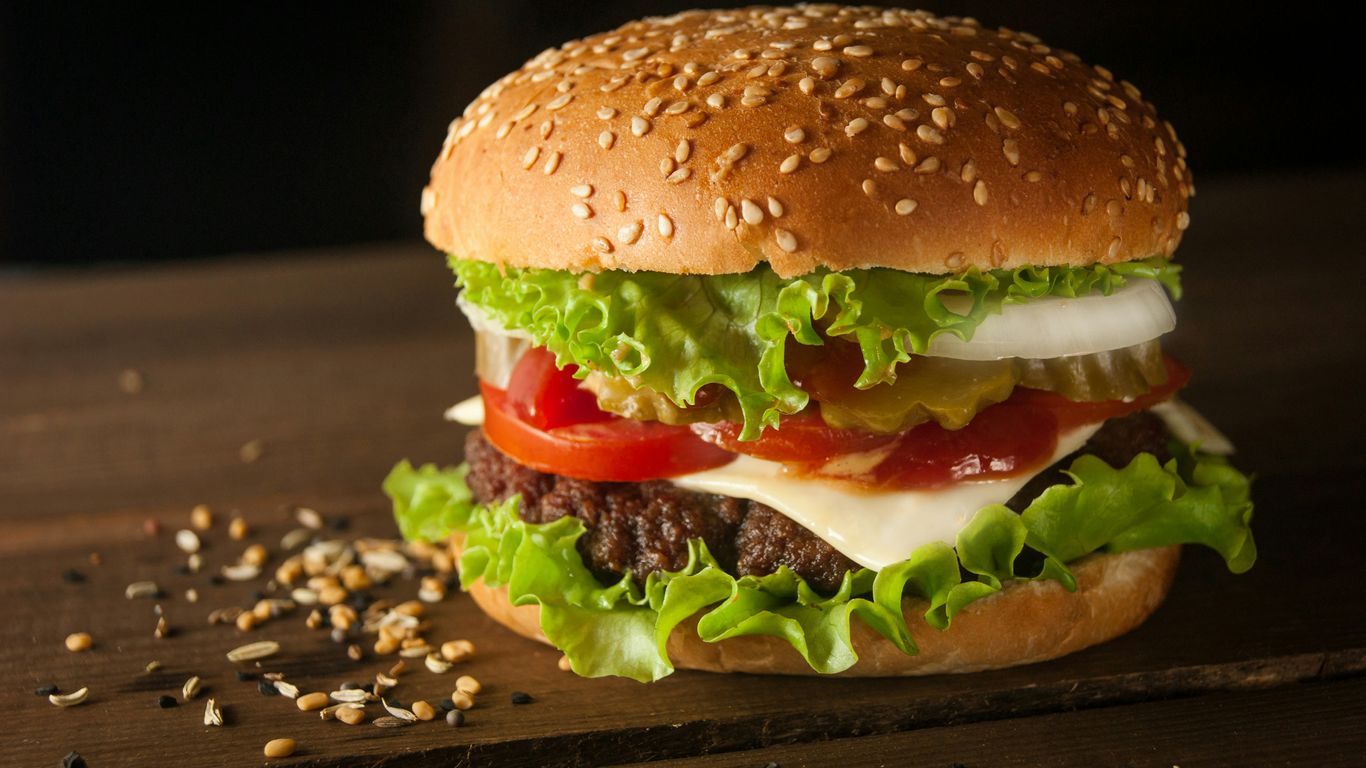
If you want to browse by visual appeal before making calls, SeeDish lets you explore Austin restaurants and photographed dishes by food type, location, rating, and price. Use the images to identify dishes you might enjoy, then verify the preparation details with the restaurant.
Dedicated gluten-free restaurants, bakeries, and cafes
A dedicated kitchen can make dining feel less like a negotiation. You can focus on flavor, texture, and what you want to share instead of explaining every crumb risk at the table. Even then, check current hours and menus because bakeries, cafés, and small food businesses may change offerings or service formats.
What to expect from fully gluten-free kitchens
A fully gluten-free kitchen generally gives you a simpler starting point, particularly if you have celiac disease or react to trace amounts. You may find more freedom with fried foods, baked goods, sauces, and desserts because wheat flour is not part of the routine workflow. Ask whether the entire location is dedicated, especially if the business also serves packaged products or operates multiple concepts.
You should still mention your needs when ordering. Staff need to know whether your concern is gluten avoidance, celiac disease, or another allergy so they can explain the kitchen’s process accurately.
Finding gluten-free pastries, bread, and desserts
Bakeries and dessert counters are where a dedicated operation can feel especially valuable. Look for items such as cookies, cakes, donuts, bread, mochi-style pastries, and frozen desserts, then ask about ingredient labels and shared display utensils. If you are buying for a group, confirm which items are individually wrapped or stored separately.
Freshness matters too. Go earlier for popular pastries, and check whether preorders are available for a larger breakfast or event. A simple treat can become the highlight of the day when you do not have to settle for a packaged substitute.
Choosing cafes for breakfast and brunch
Cafés can work well for a low-pressure morning, but breakfast kitchens often rely on shared griddles, toasters, and pastry cases. Eggs, fruit, yogurt, and coffee may be easy choices, while pancakes, toast, hash browns, and breakfast sandwiches require more questions. Ask about the cooking surface before choosing a dish that seems naturally gluten-free.
If you are meeting friends, choose a place with several naturally compatible options rather than one that can modify only a single entrée. That makes the meal more relaxed for everyone.
When food trucks are a good option
Food trucks can be a strong choice when the menu is focused and the cook can describe each ingredient. A short menu may make it easier to identify corn tortillas, grilled proteins, rice, or vegetable dishes. On the other hand, a small workspace may mean that flour, buns, and shared utensils are close to every order.
Visit during a quieter period if possible and ask before the line gets long. The best food truck experience is one where the operator can answer plainly and you have enough time to decide without pressure.
How to order safely at Austin restaurants
Safe ordering starts before you sit down. Decide whether you need strict celiac-level precautions or are avoiding gluten for another reason, then communicate that distinction without apologizing. You are not asking for a favor; you are giving the kitchen information it needs to prepare the order correctly.
Explaining celiac disease or gluten sensitivity clearly
Use direct language: “I have celiac disease, so I need to avoid cross-contact,” or “I cannot eat gluten, but trace exposure is not the same concern for me.” This helps the server understand why a clean utensil or separate fryer may matter. If you are traveling with children or a group, tell the person taking the order before everyone starts customizing dishes.
A calm, specific explanation usually gets a better response than simply saying “gluten-free.” Ask the server to repeat the request to the kitchen and confirm what can realistically be done.
Confirming sauces, marinades, and seasonings
Sauces are often where an otherwise safe plate changes. Ask about soy sauce, roux, malt vinegar, spice blends, barbecue sauce, gravy, marinades, and finishing crumbs. You can request a sauce on the side, but that does not solve the problem if the meat or vegetables were marinated in it first.
When an ingredient list is unclear, choose a dish with fewer components. Simple food is not boring when the protein is well cooked and the vegetables have enough char, acid, or spice to carry the plate.
Checking substitutions and shared cooking equipment
Substitution questions should cover the whole cooking process, not just the replacement ingredient. A gluten-free bun may still be toasted beside regular bread, and gluten-free fries may still share oil with breaded food. Ask whether the replacement is prepared separately and whether clean gloves, tongs, pans, and cutting boards are available.
You can keep a short mental checklist:
- Ingredient: what is in the sauce, seasoning, bread, or garnish?
- Surface: where will the food be grilled, toasted, fried, or assembled?
- Tools: can the kitchen use clean utensils and cookware?
- Service: can the staff communicate the request to the person cooking?
Use the answers together rather than treating one “yes” as proof that the entire meal is safe. If one key part remains uncertain, change the order or choose another location.
Handling busy service periods and special events
A packed dinner, concert night, festival, or holiday service can reduce a kitchen’s flexibility. Call ahead when possible and ask whether the restaurant can accommodate your needs during that specific service. Arriving early may give staff more time to explain options and prepare a clean workspace.
Bring a backup snack for long events, especially when you do not control the vendors. That is not pessimism; it gives you room to leave an unsuitable line without turning hunger into pressure.
Planning a gluten-free food itinerary in Austin
A good itinerary balances places you want to try with meals you can reasonably verify. Choose one anchor restaurant for each day, then keep nearby alternatives in reserve. Austin’s traffic, event schedules, heat, and long waits can all affect a plan that looks easy on a map.
Building a breakfast, lunch, and dinner route
Start with the meal that needs the most planning, often dinner or a dedicated bakery stop. Then add flexible daytime options nearby rather than zigzagging across the city. You can use Austin lunch ideas to spark the middle of the day, while still checking each restaurant’s current gluten-free procedures.
A practical route might include:
- Breakfast at a dedicated bakery or a café with clearly verified options.
- Lunch near your daytime activity, with a simple backup within a short ride.
- An afternoon snack you can carry if dinner reservations run late.
- Dinner at the restaurant where you had the clearest conversation about cross-contact.
This approach leaves room for Austin’s pace. You are planning around certainty first, then adding spontaneity where it is less risky.
Pairing restaurants with Austin attractions
Match meals to where you already plan to be. Downtown works well with museums, hotels, and evening venues; South Congress can pair with a long walk and shopping; Mueller is convenient for a slower daytime outing. Choosing a restaurant close to your next stop also gives you an easier escape if the kitchen cannot accommodate you.
Before you leave, browse a visual menu and save two or three dishes that appear promising. Seeing the food first can make a group decision faster, but it should support—not replace—the safety conversation.
Booking ahead for popular dining areas
Reservations matter when you need time and attention from the staff. Add a note about your restriction, then mention it again when you arrive so the request is not lost between booking and service. For small restaurants, a phone call can be more useful than a generic reservation note.
Ask whether the kitchen can handle the request during your preferred time. If the answer is conditional, decide whether you are comfortable with that level of risk before you arrive with a hungry group.
Preparing for festivals, farmers markets, and food trucks
Outdoor events can have a broad mix of vendors, but menus and procedures may be harder to verify. Look for vendors with focused menus, sealed ingredients, and staff who can answer questions without guessing. Bring water and a backup snack, and do not assume a corn tortilla or grilled skewer is safe without checking the marinade, surface, and shared tools.
For farmers markets, packaged goods may offer clearer labels than made-to-order food. Photograph or save ingredient information when possible so you can make a calm choice later in the day.
What to know before dining gluten-free in Austin
The most useful habit is to separate menu language from kitchen practice. “Gluten-free” may describe an ingredient choice, a modification, or a dedicated preparation process, and those are not identical. You can enjoy more of Austin’s food scene when you know which question each situation requires.
The difference between gluten-free labeling and celiac-safe practices
A gluten-free label tells you something about the stated ingredients, but it may not explain the fryer, grill, prep surface, storage, or utensils. Celiac-safe dining requires attention to cross-contact throughout the order. If you have celiac disease, ask for the restaurant’s actual procedure instead of relying on a symbol alone.
You can also decide in advance what level of uncertainty you will accept. That boundary makes it easier to decline a dish without debating yourself at the table.
Seasonal menu changes and ingredient availability
Menus shift with seasons, staffing, suppliers, and special events. A sauce that was once made without gluten may change, and a previously available substitute may disappear. Ask about the current preparation each time you visit, even if you have eaten there safely before.
Seasonal changes can also work in your favor. Fresh produce, grilled vegetables, fruit desserts, and simply prepared proteins may create more choices when a kitchen is willing to explain its ingredients.
How to check current menus before visiting
Check the restaurant’s own menu, social channels, or booking page on the day of your visit, then call if the information is incomplete. Look for specific ingredient notes rather than assuming every dish in a gluten-free category follows the same process. Save the address, hours, and a backup option before leaving your hotel or home.
Visual browsing can help you decide what sounds appealing before you spend time calling. With SeeDish visual menus, you can compare photographed dishes and narrow the field by neighborhood, price, rating, or food type, then confirm the details directly with the restaurant.
Backup options when a restaurant cannot accommodate dietary needs
Have a second plan that is close by and simple to reach. A grocery store, dedicated bakery, plainly prepared bowl, or restaurant with a focused menu may be more useful than forcing a complicated order at the first place. Keep a snack in your bag for traffic, waits, and events where every vendor is uncertain.
The goal is not to make every meal perfect. It is to give yourself enough information and flexibility to eat comfortably while still enjoying Austin.
Conclusion
With a little advance checking, you can find satisfying gluten-free meals across Austin without treating every restaurant decision like a gamble. Start with the kitchen’s practices, ask clear questions, and use visual browsing to decide what looks worth pursuing; when you are ready to compare nearby dishes, find your next meal and see what fits your plan.
Frequently Asked Questions
Are there many gluten-free restaurants in Austin?
Yes, Austin has dedicated gluten-free businesses as well as many restaurants that can accommodate gluten-free orders. The number of safe choices depends on how strictly you need to avoid cross-contact and how carefully each kitchen communicates its process.
What should you ask a restaurant about gluten-free food?
Ask about ingredients, sauces, marinades, shared fryers, grills, prep surfaces, utensils, and whether staff can communicate your request to the kitchen. If you have celiac disease, say so clearly and ask how the restaurant prevents cross-contact.
Are corn tortillas always gluten-free?
No. Corn tortillas may be made with wheat flour, stored beside flour tortillas, or cooked on a shared surface. Confirm the ingredients and preparation method before ordering tacos, enchiladas, chips, or other corn-based dishes.
Can you eat barbecue on a gluten-free diet?
Often, yes, but you need to check sauces, rubs, marinades, bread, and side dishes. Plainly prepared meat may be suitable, while shared serving tools or a sauce containing gluten can change the order.
Are gluten-free fries safe at Austin restaurants?
Only if the restaurant uses a dedicated fryer or another preparation method that prevents contact with breaded foods. Ask about the oil and fryer rather than assuming fries are safe because potatoes themselves do not contain gluten.
Should you make reservations for gluten-free dining?
Reservations are helpful when you need extra time for questions or when the restaurant is likely to be busy. Add a dietary note and confirm it with the host or server when you arrive.
What should you do if a restaurant cannot accommodate you?
Thank the staff, skip the uncertain dish, and use a backup option. Carrying a snack and saving a nearby restaurant with clearer procedures can keep the situation from becoming stressful.