Key Takeaways
Austin still has good food after midnight, but the best choice depends on the day, neighborhood, and kind of meal you want. Use this guide to plan around kitchen hours instead of assuming every late-closing dining room serves food until the lights come on.
- Check kitchen hours, not only the restaurant’s posted closing time.
- Downtown, East Austin, South Austin, and Airport Boulevard each offer different late-night patterns.
- Diners, taco counters, food trucks, and bar kitchens solve different midnight cravings.
- Concerts, games, festivals, and weekend crowds can change wait times quickly.
- Browse visual menus before leaving so you can choose based on the dish you actually want.
Know when Austin kitchens actually stay open
Finding late night food Austin locals will actually enjoy starts with one distinction: a restaurant can remain open while its kitchen winds down. Hours also change by weekday, season, staffing, and special events. If you are hungry after midnight, give yourself a few minutes to confirm the current service window before crossing town.
Late-night dining versus 24-hour service
“Open late” might mean a kitchen accepts orders until 10:30 p.m., 12 a.m., or 2 a.m.; it does not necessarily mean you can arrive at any hour. True 24-hour service is more predictable, though even an all-night restaurant may adjust its menu overnight. If you need a full meal at 3 a.m., prioritize a diner or another operation that explicitly advertises overnight service.
You should also separate a late-night menu from the regular menu. Some kitchens narrow the selection after dinner, keeping burgers, breakfast plates, tacos, or fried food available while pausing more elaborate dishes.
Typical kitchen closing times by day of the week
Austin’s late-night rhythm usually builds toward Friday and Saturday. A place that serves food until midnight on a Tuesday may stretch later on the weekend, while a smaller neighborhood kitchen may close early on Sunday or Monday. Treat these patterns as planning cues rather than guarantees.
The safest habit is to check the restaurant’s current hours on the day you plan to visit. Pay special attention to the kitchen cutoff, last seating, and whether online ordering stops before dine-in service.
How bars, food trucks, diners, and restaurants differ
A bar with a late kitchen may be the easiest option near nightlife, but its menu can be focused and its dining room loud. Food trucks often serve later than traditional restaurants, although weather, supply, and staffing can affect availability. Diners tend to offer the most dependable all-night format, while conventional restaurants may provide the strongest food quality earlier in the evening.
Think about the experience you need, not just the closing hour. You may want a booth and coffee, a fast taco from a window, a drink with a substantial snack, or a sit-down meal where a group can stay awhile.
Why posted hours may not match the final seating time
Posted business hours can describe when the doors close, not when the kitchen takes its final order. A restaurant may stop seating new parties before the listed closing time, and delivery platforms may show a different cutoff from the dining room. Holiday schedules, private events, and sold-out ingredients can create another layer of variation.
Call ahead when the timing matters, especially if you are arriving with a group or traveling from outside central Austin. A quick confirmation is easier than a late-night drive to a dark storefront.
Find late-night food by Austin neighborhood
Austin is spread out enough that a promising late-night option may be inconvenient from where you are standing. Downtown, East Austin, South Austin, and the northern corridors each have their own mix of diners, bars, taco counters, and trucks. Choose the area first, then narrow the decision by craving and service style.
Downtown and the Warehouse District
Downtown and the Warehouse District work well when you want to stay close to hotels, bars, music venues, and major event traffic. You will find more walkable choices here than in many outer neighborhoods, but demand rises sharply after closing time for nearby nightlife. A short walk can become a long wait when several venues empty at once.
For a calmer meal, move a few blocks away from the busiest bar entrances or consider pickup before the crowd peaks. If you are planning a broader food crawl, Austin’s best places to eat can help you compare styles before choosing a late stop.
East Austin and East Sixth Street
East Austin and East Sixth Street are useful when your night includes live music, cocktails, or a casual neighborhood bar. Food trucks, bar kitchens, and compact restaurants often make this area feel more flexible than a formal dining district. Still, hours can vary from one block to the next, so do not assume that a lively patio means the kitchen is still taking orders.
Look for menus that travel well if you are moving between venues. Tacos, sandwiches, wings, and slices are usually easier to share or carry than dishes that depend on immediate plating.
South Congress and South Austin
South Congress gives you a more deliberate walk-and-eat route, while South Austin spreads options across larger roads and neighborhood pockets. Parking and traffic matter more here than they do in a compact downtown evening. For a closer look at the area’s restaurants and practical planning details, use this South Austin dining guide before you set out.
You can also compare dishes first on SeeDish, which lets you explore Austin restaurants and browse menus visually. That is useful late at night because you can decide whether the menu has the right kind of meal before spending time on the drive.
North Loop, Hyde Park, and the North Burnet area
North Loop and Hyde Park reward a little more advance planning. The area has neighborhood restaurants, bars, and casual food, but options can be less concentrated than downtown, particularly late in the week. North Burnet adds larger entertainment and shopping clusters, with hours that may depend on the individual venue.
If you are coming from central Austin, check travel time before committing to a place that closes only slightly later than a nearer option. A nearby sandwich or taco may be the better meal once you account for the drive.
Airport Boulevard and other after-hours corridors
Airport Boulevard and nearby east-side routes can be practical when you want to avoid the densest nightlife. They are especially useful for drivers and travelers who need a straightforward pickup rather than a long sit-down meal. Other corridors, including parts of Riverside and the areas around major highways, can also have late windows and drive-through service.
These routes are less predictable on foot, so verify parking, ordering instructions, and whether the late service is dine-in, pickup, or drive-through. A food stop is much easier when you know where the order actually comes out.
Choose the right type of late-night meal
Your craving should determine the format. A late meal can be soothing and slow, quick and portable, spicy and filling, or built around drinks and conversation. Once you decide how you want to eat, the list of workable places becomes much shorter.
Diners and all-day comfort food
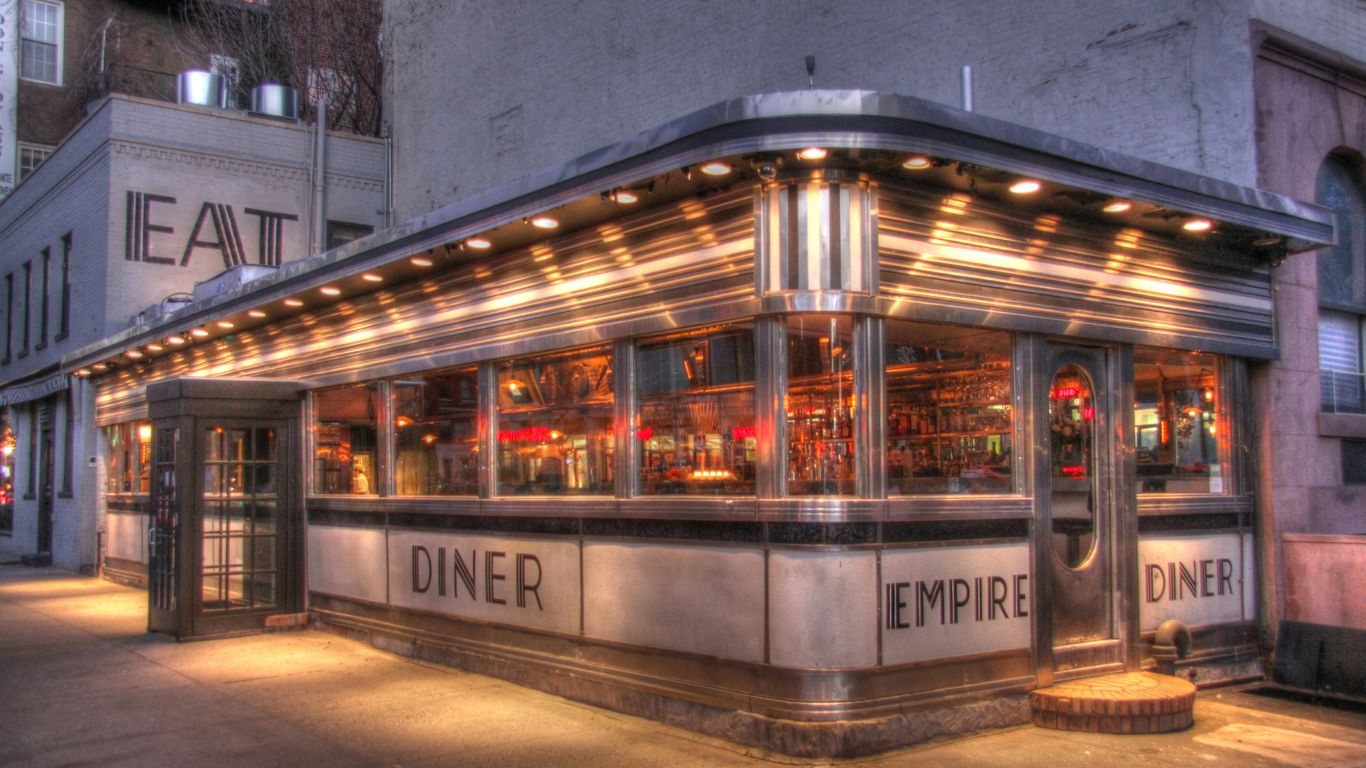
Diners are the dependable choice when you want a booth, coffee, breakfast at an unusual hour, or a plate that feels more substantial than a snack. All-day menus also help groups who cannot agree on one cuisine. You can order eggs, pancakes, a burger, a salad, or a heavier comfort-food plate without changing venues.
The tradeoff is that the experience may be busier and slower just after bars close. If you want quiet, arrive earlier or choose a table away from the entrance and service counter.
Tacos, breakfast tacos, and Mexican food
Tacos make sense late because they are fast to order, easy to customize, and satisfying without requiring a long meal. Breakfast tacos can be especially welcome after a late shift or an early flight, while tortas, gorditas, and plated Mexican dishes give you more heft when one taco will not do it.
If tacos are the specific craving, browse Austin’s photographed taco menus before you go. You can compare fillings, tortillas, toppings, and portion styles instead of choosing only by distance.
Pizza, burgers, and other fast-casual staples
Pizza and burgers are reliable group food because they travel well and are easy to divide. They also cover different appetites: you can choose a single slice, a full pie, a simple burger, or a loaded combination with fries. Sandwiches, chicken, and fried sides fit the same practical category.
Ask whether the late menu is reduced and whether customization is still available. A kitchen may keep its core items running while dropping specialty toppings or slower preparations.
Food trucks and trailer parks
Food trucks give you some of Austin’s most useful late-night flexibility, especially when you want a focused menu rather than a large dining room. Trailer parks can make a group decision easier because several vendors may operate in one place. You can split up for tacos, noodles, burgers, or dessert and regroup with less negotiation.
Before leaving, check the truck’s current social channels or ordering page. Trucks can move, sell out, pause service for weather, or close earlier than the surrounding park.
Bars with substantial late-night menus
A bar kitchen is a good fit when the meal is part of the evening rather than a separate destination. Look for menus with real plates—wings, tacos, sandwiches, burgers, or shareable starters—rather than assuming every bar serves enough food to replace dinner.
The atmosphere can shift after 10 p.m. A place that feels relaxed during happy hour may become crowded and loud later, so choose it for energy rather than quiet conversation. For a broader look at Austin’s late-night options, this late-night dining guide is a useful starting point.
Explore Austin institutions for after-dark eating
A few Austin formats have earned their place in late-night planning because they solve common problems: uncertain hours, mixed group preferences, and the need for a real meal after an event. The point is not to treat any one restaurant as the answer to every craving. It is to understand what kind of night each format supports.
What makes 24 Diner a reliable option
24 Diner is a practical downtown choice when you want comfort food, brunch, or late-night dining near Sixth and Lamar. Its published schedule lists 24-hour service Thursday through Saturday, an overnight Wednesday schedule, and earlier closing times on Monday, Tuesday, and Sunday. The menu includes all-day breakfast, chicken and waffles, burgers, seasonal salads, and cocktails.
That range is useful for a group with different appetites. You can settle into a full meal, order breakfast late, or choose something lighter without asking everyone to compromise on the same dish.
How classic taco counters fit into a late-night itinerary
Taco counters work best when you want flavor and speed without committing to a long dining room experience. You can order a few tacos, a torta, or a breakfast taco, then continue your night or take the food back to your hotel. The format is also friendly to solo diners who want a focused meal rather than a table-service occasion.
Pay attention to the difference between a late-night counter and an all-day taco restaurant. Their hours, menu breadth, and order process may be completely different even when both serve similar fillings.
When to choose a neighborhood bar kitchen
A neighborhood bar kitchen makes sense when you want food, a drink, and a place to sit without crossing town. It can be a comfortable middle ground between a crowded nightlife strip and a formal restaurant. Check whether the kitchen has a dedicated late menu and whether tables are available for people who are primarily there to eat.
For example, Industry is described in this East Austin restaurant guide as a casual spot with scratch-made Texas food, drinks, wings, and tacos, with an atmosphere that becomes busier later. That kind of timing detail helps you decide whether it fits a quiet meal or a livelier gathering.
What to look for in Austin’s rotating food-truck scene
A strong food-truck stop usually has clear ordering instructions, enough seating or nearby space, and a menu that stays focused late. You may find more personality in a single truck than in a broad restaurant menu, but that focus also means fewer backup choices if an item sells out.
Look for recent photos and menu details before you go. Browse dishes when you want a visual sense of the food, then confirm the truck’s current location and service hours separately.
Plan around Austin’s nightlife and event calendar
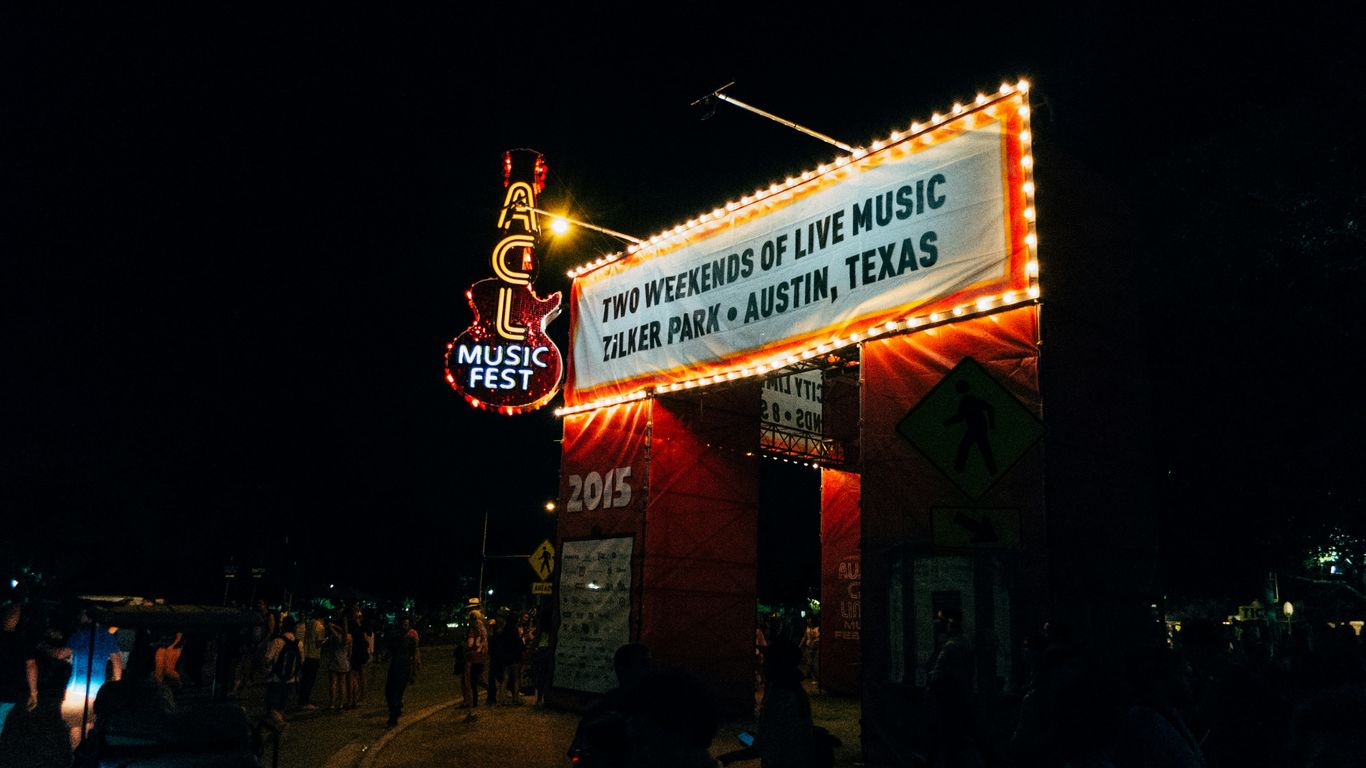
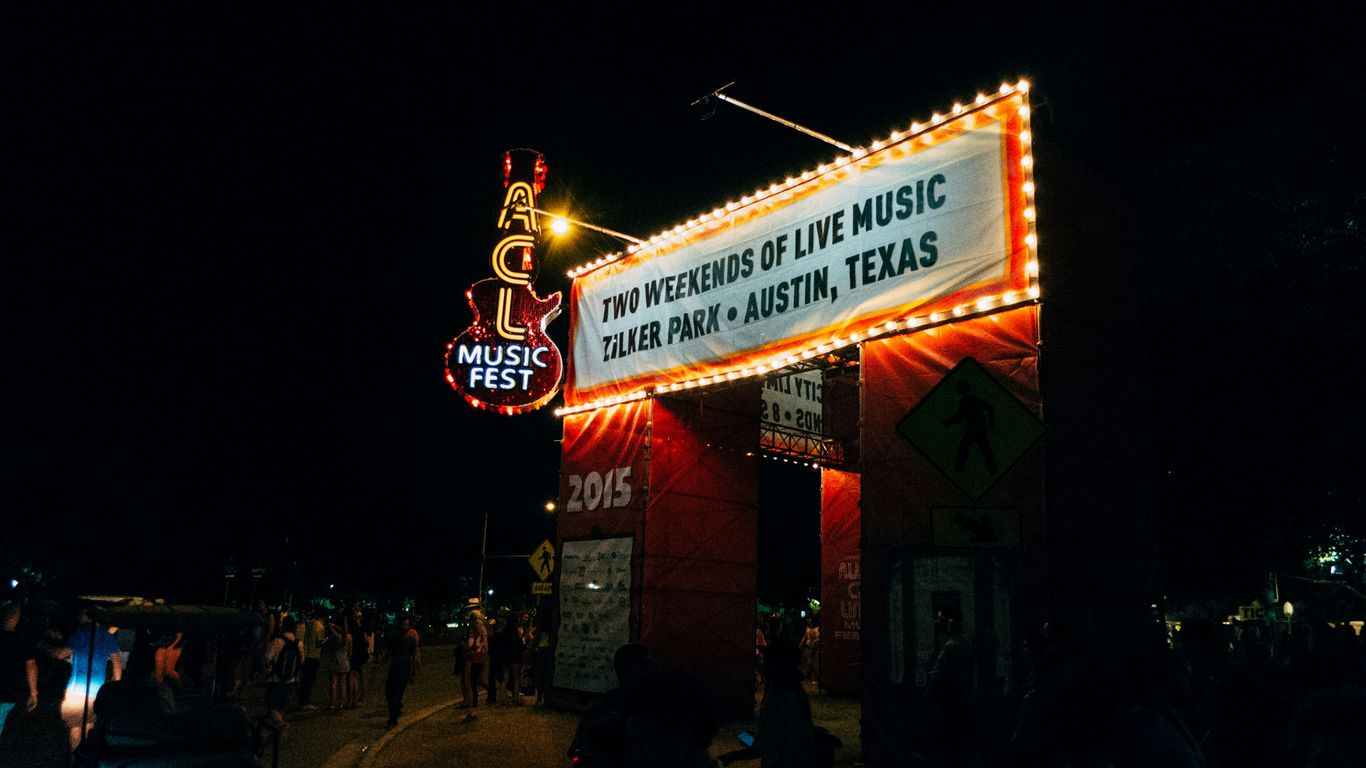
Late-night dining in Austin is closely tied to what is happening nearby. A concert ending at 11 p.m., a festival crowd leaving at once, or a home game can change a quiet restaurant into a packed room. Your best plan includes both a first choice and a nearby fallback.
Where to eat after concerts and festivals
After a concert or festival, start with geography. Restaurants closest to the venue may be convenient but overwhelmed, while a short rideshare trip can put you in a less crowded dining room. If you are walking, choose a place on the route rather than adding a separate cross-town trip.
Order ahead when pickup is available, but do not place an order until you know the event’s exit timing. A meal sitting on a counter for 30 minutes is rarely better than one ordered after you clear the crowd.
Late-night options near Sixth Street and Rainey Street
Sixth Street and Rainey Street offer plenty of movement after dark, but the busiest period is also when waits are hardest to predict. Walk a block or two beyond the main concentration if you want a more manageable table. For a quick stop, a counter, window, or truck may be easier than a full-service dining room.
Keep your group together when choosing a destination. A place that looks close on a map may require a long detour around closed streets, event barriers, or crowded sidewalks.
Handling game days and packed weekends
Game days change parking, traffic, and restaurant demand across the city, not only near the stadium. Expect longer waits for familiar comfort food and allow extra time for rideshare pickup. If you are meeting friends, agree on a neighborhood and a backup before everyone becomes hungry.
A useful late-night plan has three layers: one place with the food you want, one nearby alternative with a similar format, and one quick pickup option. That keeps a sold-out menu from turning into a group argument.
Finding food after live music in East Austin
East Austin’s live-music nights often end in waves, with people looking for tacos, sandwiches, wings, or something portable. If you want to sit down, arrive before the set ends or choose a restaurant slightly away from the venue. If you want to keep moving, look for a truck or counter with a short menu.
You can also use the neighborhood’s bar kitchens strategically: eat a proper plate before the show, then save a smaller snack for afterward. That approach gives you more control when the late crowd arrives.
Balance convenience, cost, and food quality
The cheapest late-night meal is not always the best value if delivery fees, a long wait, or an unnecessary rideshare are involved. At the same time, you do not need a polished dining room to eat well after midnight. Compare the full experience—food, time, transport, and atmosphere—before you decide.
Comparing dine-in, takeout, delivery, and pickup
Dine-in gives you a seat and a better chance of eating food immediately, but it may come with a wait or a crowded room. Pickup is often the most efficient compromise, while delivery works best when you are already settled and do not need the food instantly. Takeout from a window or truck can be the fastest option when the menu is designed for portability.
Use the format that matches your night. A crispy dish may suffer during delivery, while tacos, pizza, and sandwiches usually handle the trip more gracefully.
Estimating prices for a late-night meal
Prices vary by portion, neighborhood, and whether drinks are part of the order. A couple of tacos or a slice can keep the bill modest, while a diner plate, burger combination, or shared pizza costs more but may feed you more completely. Delivery fees and late-night add-ons can change the total quickly.
| Meal format | Typical planning range | Best use |
|---|---|---|
| Tacos or small counter meal | $8–$18 | A quick solo craving |
| Burger, sandwich, or diner plate | $14–$28 | A filling individual meal |
| Pizza or shared casual order | $20–$45 | Groups and takeout |
| Bar meal with drinks | $20–$40+ | Food as part of a night out |
These are planning ranges, not promises about a particular menu. Check the current prices, portion sizes, and service fees before you place the order so the final bill matches your expectations.
Avoiding long waits and sold-out menu items
The highest-demand window often begins when nearby bars and venues close. You can avoid some of the pressure by eating before the rush, ordering pickup early, or choosing a place with several food vendors. A focused truck may sell out sooner than a restaurant with a larger prep operation.
If your first choice is busy, do not stand in line without checking alternatives. A nearby restaurant with a shorter menu may get you fed sooner and still satisfy the underlying craving.
Checking parking, rideshare access, and walkability
Late-night logistics can decide where you eat. Downtown may be easiest on foot but difficult by car, while a neighborhood corridor may offer simpler parking but require a rideshare. Rideshare pickup zones can also shift after concerts or games, adding time to an otherwise short trip.
Before leaving, check the entrance, parking lot, and ordering window—not only the restaurant’s pin on a map. These small details matter more when it is dark, crowded, or raining.
Match the restaurant to your late-night situation
The right restaurant depends on who you are with and what you need from the meal. A solo diner can prioritize speed, while a group may need variety and seating. Dietary needs, noise level, and the hour itself should shape the decision just as much as cuisine.
Best choices for a quick solo meal
For a solo meal, choose a counter, diner, taco window, or bar with open seating. These formats let you order one focused dish without waiting for the rest of a table. A booth can be comfortable, but a counter may be faster when you are tired and ready to head home.
Keep the order simple if time matters: tacos, a bowl, a burger, breakfast, or a slice. You can spend more time comparing flavors when the night is not already winding down.
Better options for groups with different cravings
Groups do best where menus have range or several vendors operate close together. Diners can cover breakfast, burgers, salads, and comfort food, while food-truck parks let people split among cuisines. A bar with substantial snacks and plates can work too, provided everyone understands the noise and wait-time tradeoff.
Ask the group two questions before choosing: does anyone need a specific diet, and does anyone need to leave quickly? Those answers usually eliminate more options than the original cuisine debate.
Where to go for vegetarian, vegan, and gluten-free needs
Dietary needs require more than finding one meatless item on a menu. Check preparation methods, shared fryers, sauces, bread, and the kitchen’s ability to answer questions late in service. A restaurant with a smaller menu may be easier to navigate if its ingredients and substitutions are clearly explained.
Visual browsing can help you identify promising dishes, but confirm ingredients directly with the restaurant. Menus change, and a photograph cannot replace an allergy conversation.
Finding a calmer meal away from nightlife crowds
For quiet, move away from the most concentrated bar streets and avoid the moment venues release their crowds. Diners earlier in the evening, neighborhood restaurants, and less central corridors can feel much more relaxed. You may also find a calmer table by choosing pickup and eating at your hotel or home.
The goal is not necessarily silence. A steady neighborhood hum is often more comfortable than a packed room where you have to repeat every sentence.
What to verify before heading out after midnight
Before you leave, confirm the kitchen cutoff, current menu, address, ordering method, and whether the restaurant is serving dine-in. Also check parking or rideshare access if you are not walking. These details take less than a minute and can save an entire late-night detour.
If you are still deciding, compare the actual dishes rather than choosing only by restaurant name. The dish comes first when you need a meal that fits your craving, budget, and appetite.
Late-Night Food Made Easier
When you plan around kitchen hours, neighborhood traffic, and the kind of meal you actually want, Austin offers far more than a last-resort snack after dark. Start with a format that fits your night, confirm the details, and choose the dish before you commit to the drive.
Frequently Asked Questions
What time do Austin restaurants usually stop serving food?
Many restaurants stop serving between 9 p.m. and midnight, with later service more common on Friday and Saturday. Diners, taco counters, bars, and food trucks may serve later, but the exact cutoff varies by location and day.
Is Austin good for eating after midnight?
Yes, although the choices become more concentrated after midnight. You will generally have the most options near downtown, East Austin, major corridors, diners, taco counters, food trucks, and bars with substantial kitchens.
Where can you find 24-hour food in Austin?
Look for diners and restaurants that explicitly advertise 24-hour service rather than relying on a late posted closing time. Confirm the current schedule because overnight hours can change by weekday or holiday.
Are food trucks open late in Austin?
Some food trucks and trailer parks serve well past dinner, especially on busy weekend nights. Check the truck’s current location, menu, and service status before traveling because weather, supplies, and staffing can affect hours.
What is a good late-night meal for a group?
Diners, pizza spots, food-truck parks, and restaurants with broad menus are usually easiest for groups. They let people choose different levels of spice, portion size, and cuisine without splitting up completely.
How can you avoid a long late-night wait?
Eat before the main nightlife rush, order pickup, choose a nearby alternative, or move a few blocks away from the busiest venues. Calling ahead is especially helpful after concerts, festivals, and games.
What should you check before going out for food after midnight?
Confirm the kitchen cutoff, current menu, address, dining format, parking, and whether online ordering is still active. If you have dietary restrictions, ask about ingredients and preparation before placing the order.
Find Your Next Austin Meal
When you want to decide by the food itself, SeeDish helps you explore Austin restaurants and browse menu items visually. Use it to compare what looks good, then confirm late-night hours before you head out.