Key Takeaways
Austin rewards a flexible appetite, whether you want brisket at noon, handmade pasta at night, or a taco that refuses to behave like a taco. Use this list to match the restaurant to your craving, occasion, and willingness to plan ahead.
- Franklin Barbecue and La Barbecue are essential stops for Central Texas barbecue.
- Uchi Austin, Barley Swine, and Emmer & Rye suit special dinners and careful tasting.
- Suerte, Nixta Taqueria, Canje, and Kemuri Tatsu-ya show Austin’s appetite for bold global flavors.
- Paperboy is a strong choice when breakfast deserves the same attention as dinner.
- Menus change, so check current dishes, hours, and wait details before you go.
1. Franklin Barbecue for legendary Texas brisket
Franklin Barbecue belongs near the top of any list of the best restaurants in Austin when brisket is the reason you came. You go for the deeply smoked beef, the tender center, and the peppery bark that makes every slice feel substantial. It is a destination rather than a casual backup plan, so build your day around it.
The smartest approach is to arrive prepared for the possibility of a wait and to keep your order focused. Brisket should lead, with sausage, ribs, or a few classic sides depending on how many people are sharing. The meat is rich enough that a little restraint helps you notice the smoke, salt, and texture instead of turning the meal into a dare.
Austin barbecue is partly about logistics, and Franklin makes that clear. Go early, check current service details, and have a second plan if the line is longer than your schedule allows. For a wider look at local barbecue and nearby cravings, browse this Austin food guide before choosing your route.
2. Uchi Austin for elevated Japanese dining
Uchi Austin is a polished choice when you want Japanese dining that feels composed, precise, and suited to a long evening. The menu rewards curiosity, especially if your table is willing to share and compare. You can make the meal feel light and bright or more substantial by balancing raw preparations, cooked dishes, and rice.
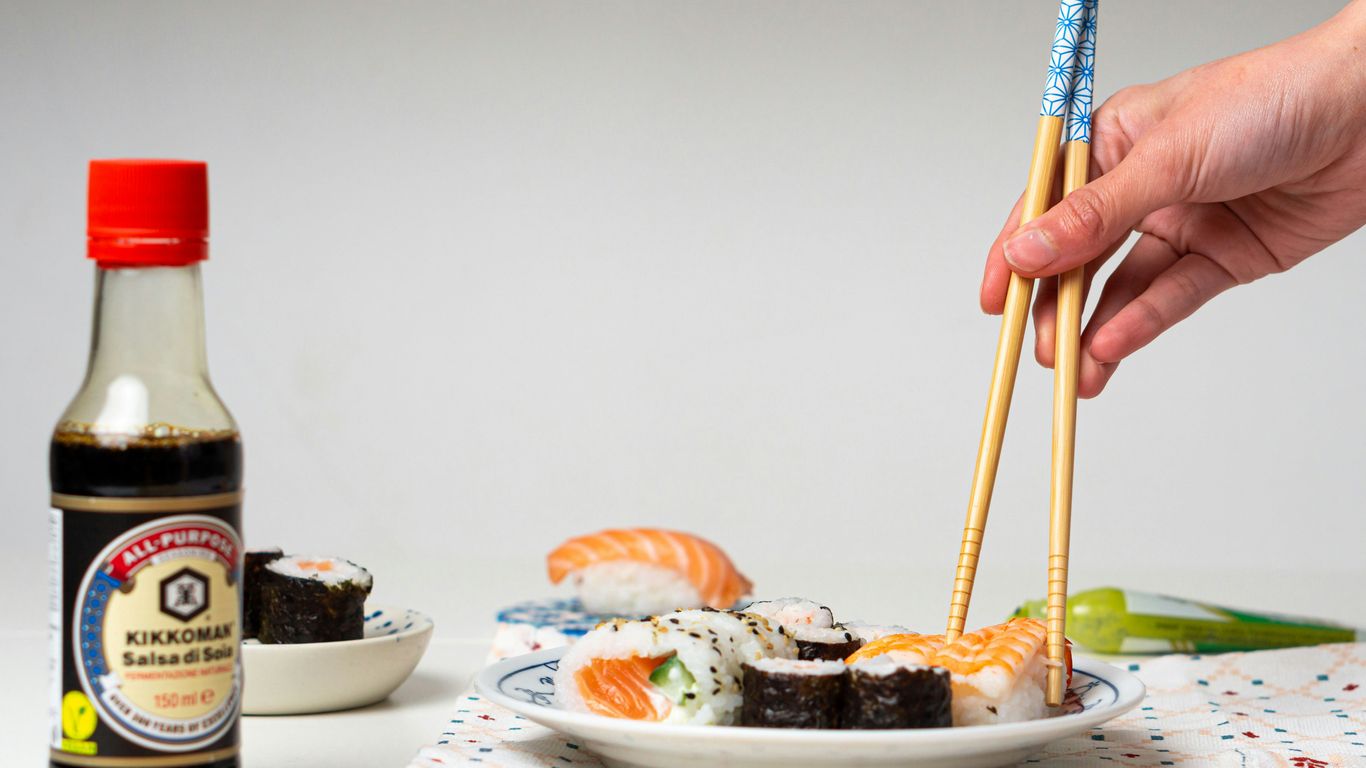
Ask your server what is especially appealing that evening, then let the meal unfold in a few rounds rather than ordering everything at once. Delicate flavors benefit from attention, while richer bites create useful contrast. For sushi-minded diners, the visual sushi menu collection can also help you think through the kinds of dishes you want before arriving.
Uchi works particularly well for a date, a birthday, or a dinner when you want conversation to slow down. Dress up if that makes the occasion feel right, but focus more on pacing than ceremony. A shared order lets you sample more of the menu without making the meal feel rushed.
3. Suerte for modern Mexican cuisine
Suerte is a natural pick when you want modern Mexican cooking with enough personality to make dinner feel like an event. The menu is a good fit for diners who enjoy familiar ingredients presented with a little more imagination. Come hungry, because sharing gives you a better sense of the kitchen’s range.
Look for a balance of masa-based dishes, vegetables, and something richer for the center of the table. You want contrast: crisp beside soft, bright acidity beside chile warmth, and a dish that can catch the attention of the whole table. The best order is rarely the biggest one; it is the combination that keeps each bite from tasting the same.
Suerte is especially appealing when your group cannot agree on one narrow craving. You can build a meal around Mexican flavors while still moving between textures and levels of intensity. Make a reservation when possible, and think of the dinner as a sequence rather than one oversized entrée.
4. Barley Swine for inventive tasting menus
Barley Swine is for the night when you want the kitchen to set the pace. Its tasting-menu format makes room for unusual combinations, careful presentation, and a meal that changes from one course to the next. You should arrive ready to be surprised rather than looking for a quick substitute for a familiar dish.
A tasting menu asks you to surrender some control, but you can still communicate allergies, dislikes, and dietary needs before the meal begins. That small bit of planning makes the experience more comfortable. The pleasure comes from noticing how the courses build: a sharper opening, a deeper middle, and a finish that resets your palate.
This is a strong special-occasion restaurant for diners who enjoy technique without needing to decode every plate. Give yourself time, keep the evening open, and avoid scheduling a second major commitment immediately afterward. The meal is the plan, not merely a stop between plans.
5. Odd Duck for seasonal farm-to-table plates
Odd Duck suits you when you want a relaxed Austin dinner built around seasonal ingredients and small plates. The menu encourages sharing, which makes it easy to follow different appetites at the same table. It is the sort of restaurant where vegetables can be as interesting as the meat or fish on the menu.
Start with a few dishes rather than trying to predict the entire meal. Add another round once you know which flavors are working for your group. Seasonal cooking means the details may shift, but the useful principle stays the same: choose a mix of hearty, crisp, fresh, and savory plates.
Odd Duck is a practical choice for a casual date or an unhurried meal with friends. The atmosphere is easiergoing than a formal tasting menu, yet the food still gives you plenty to discuss. If you like choosing by visual appeal, compare photographed dishes before you leave home and let the current menu guide the final call.
6. Nixta Taqueria for creative tacos
Nixta Taqueria is where you go when a taco craving comes with a need for novelty. The format is familiar, but the combinations can move well beyond the standard taco-shop routine. You should expect bold textures and fillings that make each taco feel like its own small composition.
Order a few different styles for the table so you can compare the tortillas, fillings, sauces, and toppings. A crunchy element beside something slow-cooked keeps the meal lively. If you are deciding among several taco moods, this Austin taco guide is a useful place to browse before you head out.
Nixta works for a casual lunch, an early dinner, or a stop when you want something memorable without committing to a long formal meal. Share if you are curious, but save room for the taco you would not normally choose. Creative food is most useful when it still leaves you satisfied.
7. Canje for vibrant Caribbean flavors
Canje brings a lively Caribbean direction to Austin dining, making it a strong choice when you want brightness, spice, and food meant for the center of the table. The meal feels social from the start. You should think in terms of several plates rather than a single predictable entrée.
Build contrast into the order with something fresh, something grilled or deeply seasoned, and a dish that brings heat. Rice, vegetables, sauces, and proteins can each play a different role, so avoid filling the table with items that all lean rich. A little contrast matters when bold flavors are doing the work.
Canje is a good fit for a group dinner or a night when you want the restaurant itself to supply some energy. Let the meal stretch out, order gradually, and keep water nearby if you are sensitive to chile. The best table is one that shares freely and does not rush the last bite.
8. Emmer & Rye for thoughtful New American cooking
Emmer & Rye makes sense when you want a thoughtful New American dinner with room for seasonal ideas and careful technique. The experience is polished without requiring you to arrive with a rigid script. It is a good restaurant for noticing how familiar ingredients can shift when preparation and presentation change.

A useful way to plan the meal is to consider occasion, appetite, and how much time you have. This quick comparison can help you choose the right kind of night:
| Restaurant style | Best fit | Ordering approach |
|---|---|---|
| Tasting menu | A milestone dinner | Let the kitchen lead |
| Seasonal small plates | Curious groups | Share several contrasting dishes |
| Destination barbecue | A focused craving | Arrive early and order simply |
| Creative tacos | Casual exploration | Try more than one style |
The table is less a rule than a reminder that the best restaurant depends on the evening you are trying to create. Emmer & Rye is well suited to diners who want detail and conversation, especially when the group enjoys discussing ingredients. Check the current menu before booking so your expectations match the season.
9. Birdie’s for natural wine and Italian-inspired dishes
Birdie’s is an easy recommendation when you want a neighborhood-feeling meal with natural wine and Italian-inspired food. The setting suits a relaxed evening rather than a formal performance. You can settle in with a glass, order several plates, and let the night become longer than expected.
Choose dishes that give the table different shapes and textures: something bright, something warm, and something that can anchor the meal. Italian-inspired cooking often rewards simplicity, so do not overlook a plate that sounds modest. The right wine can make a few uncomplicated ingredients feel especially complete.
Birdie’s works for a low-key date, a small gathering, or dinner when you want flavor without ceremony. If you are exploring Austin by atmosphere as much as cuisine, this guide to cool Austin restaurants offers useful nearby inspiration. Call ahead when your schedule is tight, since smaller dining rooms can fill quickly.
10. Intero for handmade pasta and seasonal ingredients
Intero is a strong choice when handmade pasta is the central craving. You go for the texture first: pasta that has enough bite to hold sauce and enough character to make the dish feel made rather than assembled. Seasonal ingredients give the meal a reason to change throughout the year.
Consider sharing a starter, then giving the pasta its own attention instead of ordering too many competing mains. A rich sauce may call for a sharper vegetable or salad alongside it. If you are dining with someone who wants something lighter, a balanced table is easier to build when you order in stages.
Intero fits a date or a dinner for two when you want warmth and craft without a tasting-menu structure. Ask about the current pasta options, especially if you have a preference for filled, long, or short shapes. Leave room for the possibility that the simplest-looking dish will be the one you remember.
11. Loro for Asian smokehouse favorites
Loro is a smart stop when you want the comfort of smokehouse cooking with Asian flavors in the mix. The format is casual enough for a spontaneous meal, but the combinations give you more to think about than a standard barbecue plate. It is especially useful when your group wants meat, bright sauces, and shareable sides at once.
Build the order around one smoky centerpiece, then add dishes that bring acidity, freshness, or crunch. This keeps the meal from becoming heavy. A few shared plates usually create a better spread than everyone ordering the same thing, particularly when you want to compare the different flavor directions.
Loro can work for lunch, a relaxed dinner, or a group with mixed appetites. If you are planning a midday route, browse this Austin lunch guide for other ways to shape the day. Go with a loose plan and adjust once you see what looks best on the current menu.
12. Este for fresh seafood and coastal Mexican fare
Este is a natural fit when you want seafood with a coastal Mexican point of view. The meal should feel fresh and bright rather than weighed down, with citrus, herbs, chile, and clean textures doing much of the work. It is a good answer when your group wants something celebratory but not overly formal.
Order with balance in mind. Choose a seafood preparation that appeals to you, then add a vegetable, a starch, or a shareable dish that gives the table a different temperature and texture. Raw or lightly prepared items reward freshness, while richer plates can provide a satisfying center.
Este is well suited to warm evenings, dates, and dinners when you want the food to feel connected to the season. Ask about the day’s options instead of locking yourself into a dish you saw months ago. A little flexibility usually makes seafood dining more enjoyable.
13. Kemuri Tatsu-ya for Texas barbecue with Japanese influence
Kemuri Tatsu-ya is a good pick when you want Texas barbecue interpreted through Japanese flavors. The appeal is the meeting point between smoke, char, fermentation, and bright seasoning. You should come ready for a meal that feels familiar in one bite and distinctly different in the next.
Share a few dishes so you can move between barbecue richness and sharper, more aromatic accompaniments. Rice, pickles, sauces, and vegetables help create the necessary breaks between smoky bites. This is not the place to treat every item as a variation of the same plate; contrast is the fun.
Kemuri Tatsu-ya works particularly well for visitors who want an Austin meal with a point of view. It also gives locals an alternative when they have eaten enough traditional barbecue for one week. Plan around appetite, order for the table, and let the sauces guide your next bite.
14. La Barbecue for classic Central Texas barbecue
La Barbecue is a destination for the classic Central Texas barbecue experience: smoked meat, familiar sides, and the practical rituals that come with a popular pit stop. Brisket should be the first question if that is what brought you there. From that base, add only what your group can realistically eat while it is hot.
Arrive with patience and a plan for sharing. A barbecue tray can become unwieldy when you order every option, so decide whether you want to compare meats or focus on one exceptional cut. Bread, pickles, and sides are not decoration; they give the rich meat somewhere to go.
La Barbecue is best approached as a daytime outing rather than a meal you squeeze between appointments. Check current service information, bring water, and keep your schedule loose. If you want to compare several barbecue destinations, start with the Austin dining guide and then choose the neighborhood that fits your day.
15. Paperboy for a standout Austin breakfast
Paperboy gives breakfast the attention usually reserved for dinner. You go for a plate that feels composed and filling without losing the pleasure of a slow morning. It is a strong choice when you want your first meal in Austin to feel like part of the trip rather than an afterthought.
Arrive early when your schedule allows, and be ready for a wait at busy times. Breakfast is easier to enjoy when you have not planned a tight run of morning activities afterward. Choose based on what sounds satisfying that day: something egg-forward, something hearty, or a plate with enough freshness to keep the morning light.
Paperboy is especially good for visitors, weekend catch-ups, and anyone who believes breakfast deserves a destination. Before you leave, take a quick look at current hours and menu details. You can also use SeeDish to browse Austin dining options visually when you are deciding what to eat next.
Find Your Next Meal
When you are ready to turn a craving into a plan, browse Austin dishes and compare what looks good before choosing where to go. A visual menu can help you narrow the field by cuisine, meal, price, and the exact kind of bite you want.
Conclusion
The best restaurants in Austin are not one single style: they are smoky barbecue counters, lively taco rooms, careful tasting menus, neighborhood tables, and breakfast spots worth waking up for. Choose the restaurant that matches your appetite and your available time, then leave enough room for the city to surprise you.
Frequently Asked Questions
What are the best restaurants in Austin for a first visit?
Start with one Austin classic, such as Central Texas barbecue, then add a restaurant that shows the city’s broader range through tacos, Japanese food, seafood, or seasonal cooking.
Where should you go in Austin for barbecue?
Franklin Barbecue and La Barbecue are strong choices when you want a traditional barbecue-focused outing. Plan for timing, possible lines, and a meal built around smoked meat.
Which Austin restaurants work well for a special occasion?
Uchi Austin, Barley Swine, Emmer & Rye, and other polished dining rooms suit celebrations because they encourage a slower meal and more deliberate ordering.
What is a good Austin restaurant for creative tacos?
Nixta Taqueria is a natural choice when you want tacos with unexpected combinations and a casual setting. Order several styles if you are sharing.
Where can you find a memorable Austin breakfast?
Paperboy is a popular destination for a more considered breakfast. Go early or allow extra time, particularly on a busy weekend morning.
Should you make reservations at Austin restaurants?
Reservations are helpful for tasting menus, special-occasion dining, and busy dinner destinations. For counter-service restaurants, check current hours and arrive early when possible.
How do you choose where to eat in Austin?
Begin with the craving, then consider neighborhood, budget, wait time, group size, and how formal you want the meal to feel. The best choice is the one that fits the whole plan.