Key Takeaways
Good food in Austin is less about one definitive list than choosing the right dish, neighborhood, and timing for your plans.
- Start with barbecue, tacos, and breakfast tacos, then branch into Austin’s global and modern dining scenes.
- Choose a neighborhood based on your schedule, whether you want downtown convenience, South Austin energy, or East Austin variety.
- Reserve polished dinners, but expect lines and limited hours at many barbecue counters.
- Use dish photos and current menu details when you are deciding what to order, not just where to go.
- Build your itinerary around meals, nearby attractions, weather, and the pace you actually enjoy.
Understand Austin’s food scene
Austin rewards curiosity at every price point. You can eat smoky brisket at lunch, a breakfast taco the next morning, and a carefully plated dinner that draws on ingredients and techniques from far beyond Texas. If you are looking for good food in Austin, begin with the city’s food traditions, then leave room for newer ideas.
How barbecue became a local institution
Central Texas barbecue is built around patience: wood smoke, salt, time, and meat that is served when it is ready rather than when your watch says lunch should begin. Brisket gets most of the attention, but pork ribs, sausage, turkey, and rich sides deserve space on your tray. The best way to approach a famous counter is to treat the meal as a shared tasting, especially if you are visiting with someone who wants to try several cuts.
A barbecue lunch often has its own rhythm. You may line up before opening, order quickly at the counter, and find that a simple plate of meat, bread, pickles, and sauce is more satisfying than an elaborate plan. Check hours before you leave; popular pits can sell out, and many close earlier than a typical dinner restaurant.
Why tacos are central to Austin dining
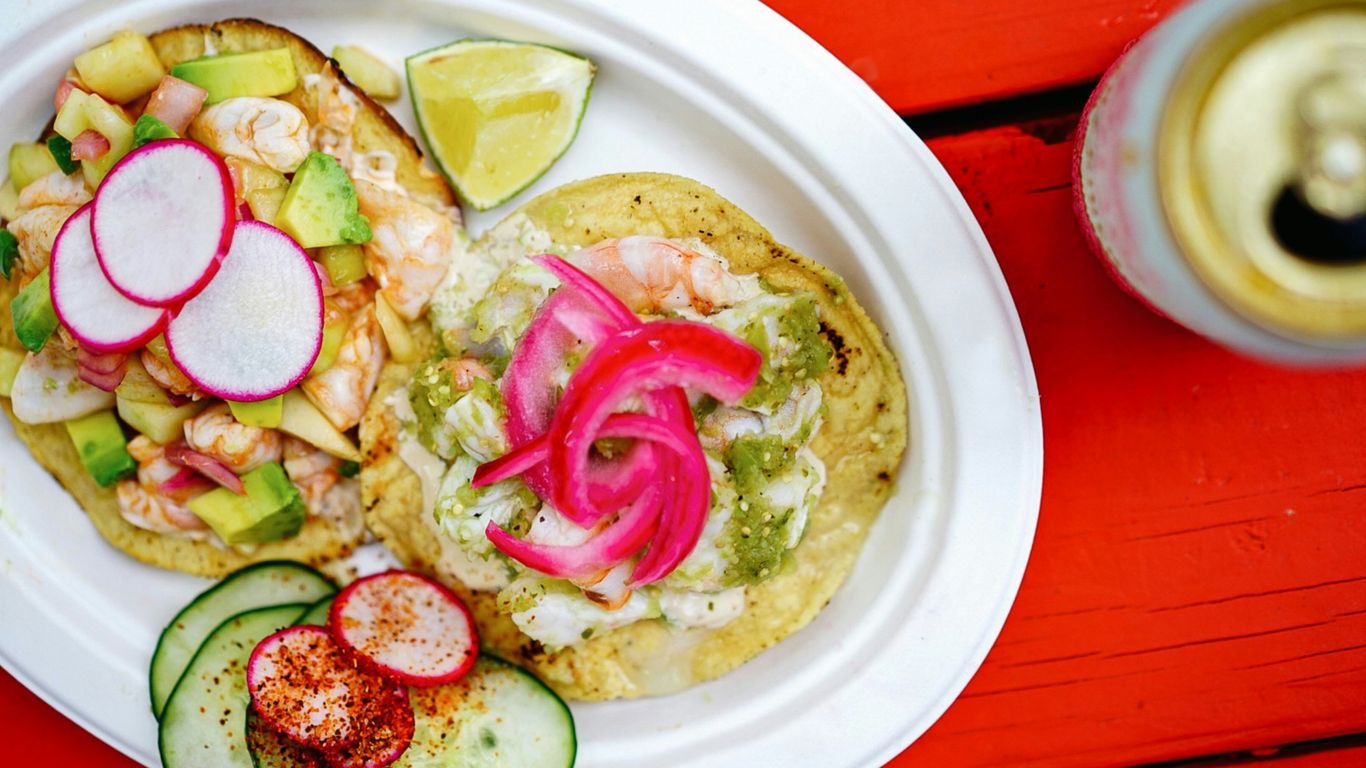
Tacos fit Austin because they can be quick, portable, inexpensive, and deeply specific. Breakfast versions might pair eggs with potato, beans, bacon, or chorizo, while lunch and dinner tacos can move from grilled meat to seafood, vegetables, or inventive combinations. Look for the texture contrast: a crisp tortilla edge, creamy avocado, tender filling, or bright salsa can make a modest meal memorable.
You do not need to limit yourself to one style. A taco crawl might include a breakfast stop, a modern taqueria, and a late-night counter, with enough time between them to notice how different tortillas, salsas, and fillings change the experience. For a visual starting point, browse this Austin taco guide when the craving is more specific than “Mexican food.”
The role of food trucks and casual counters
Food trucks and small counters give Austin dining much of its informal character. They make it easy to try a focused menu, eat outside, and return for one excellent thing rather than committing to a long dinner. You will often find the clearest expression of a cook’s idea in a short menu: one sandwich, a few tacos, a rotating special, or a bowl with carefully balanced toppings.
Casual does not mean unplanned. Some trucks have limited service windows, small seating areas, or locations that change, so check the current details before crossing town. A compact menu can also make ordering easier: pick the item the kitchen is known for, add a side only if you are hungry, and save room for a second stop.
How fine dining is evolving in the city
Austin’s polished restaurants increasingly reflect the city’s mix of influences without abandoning local ingredients. You may encounter Texas produce alongside Japanese technique, Mexican flavors beside careful fermentation, or a tasting menu that feels creative without being fussy. The useful question is not whether a restaurant is formal; it is whether its menu suits the kind of evening you want.
For a special occasion, pay attention to pacing, portion size, and whether the menu is à la carte or set. Reservations are often part of the experience, and a longer meal works best when you are not trying to fit in a concert immediately afterward. This local Austin dining guide is a helpful second opinion when you want a memorable seated dinner rather than a quick bite.
Find good food by Austin neighborhood
Austin is spread out enough that neighborhood choice can shape your meal as much as the menu. Downtown works well when you are near hotels, offices, or a show, while South and East Austin offer more room for wandering between stops. Use the map in your head lightly: traffic, parking, weather, and your next destination all matter.

Downtown and the Warehouse District
Downtown and the Warehouse District are convenient for a pre-show dinner, business lunch, or night when you want to stay close to hotels and nightlife. You will find polished dining rooms, cocktail-focused restaurants, and casual choices within a relatively compact area, though prices can rise with the location. If time is tight, choose a restaurant near your next stop instead of chasing a highly rated meal across town.
This area is especially useful for visitors who want one dependable meal without learning the entire city’s geography. Make a reservation for a popular dinner, and leave more time than you think you need if you are walking between restaurants, venues, and parking garages.
South Congress and South Austin
South Congress gives you a lively stroll with restaurants, cafés, bars, and shops close together. South Austin spreads the options across South First, South Lamar, Bouldin Creek, and East Riverside, so the atmosphere can shift from busy and social to relaxed and residential. The food ranges from barbecue and tacos to Vietnamese, Thai, Mediterranean, and Southern comfort dishes.
You can use this South Austin restaurant guide to narrow the area by craving and occasion. For a casual day, pair lunch with a walk along South Congress or a stop near the river; for dinner, decide whether you want a patio, a quiet table, or a place that can handle a longer group meal before you choose the block.
East Austin and East Sixth
East Austin and East Sixth are good places to look when you want variety in one outing. Food trucks, neighborhood restaurants, bars, and patios sit alongside one another, making the area friendly to spontaneous plans. You might begin with shareable plates, move to tacos or comfort food, and finish with a drink or dessert without needing a formal itinerary.
The tradeoff is that parking and waits can be less predictable on busy evenings. Arrive early for an easier table, or pick a backup nearby before you set out. The right restaurant here often depends as much on the group’s energy as on the cuisine.
North Loop, Hyde Park, and North Austin
North Loop and Hyde Park feel more neighborhood-oriented, with independent restaurants, cafés, bars, and long-standing casual favorites. North Austin adds a wider mix of cuisines and larger dining areas, which can help when you are meeting people from different parts of the city. These areas are worth the drive when you want a less tourist-centered meal or a relaxed weekend brunch.
Think about distance before you commit. A restaurant that looks close on a map may feel far during a busy evening, while a cluster in North Loop can make a meal-and-drink plan pleasantly simple. Checking menus first helps you avoid asking a hungry group to make a second trip.
Choose the right Austin specialties
Austin’s signature foods are useful entry points, but they are not the whole story. Choose based on the texture and mood you want: smoky and rich, crisp and spicy, fresh and bright, or slow and comforting. Then compare the actual dishes, since two restaurants serving the same category may offer very different portions and levels of heat.
Texas barbecue beyond brisket
Brisket is the obvious order, especially if it is your first visit, but a balanced tray usually includes another smoked meat. Pork ribs bring a firmer bite and a sweeter, bark-heavy edge; sausage adds seasoning and fat; turkey can be a surprisingly tender choice when the pit handles it well. Add beans, slaw, potato salad, or pickles according to how rich you want the meal to feel.
Order conservatively if you are eating later. A few slices of brisket plus one additional meat can be enough for two people, and sides are often more filling than expected. If you are comparing spots, look at serving style and hours as closely as reputation.
Breakfast tacos and Tex-Mex classics
Breakfast tacos are one of Austin’s most practical pleasures. A flour tortilla holds eggs, potatoes, beans, cheese, and meat in a warm, soft bundle, while salsa supplies the sharpness that keeps the combination from feeling heavy. You can order one for a quick start or several to share, but ask about spice if the salsa is house-made and unfamiliar.
Tex-Mex classics widen the field with enchiladas, queso, fajitas, and combination plates. These meals are best when you want comfort and abundance rather than a delicate tasting experience. For an easy midday comparison, this Austin food roundup covers several recognizable styles and helps you match a dish to your mood.
Regional Mexican and modern Mexican food
Modern Mexican cooking in Austin can be playful, but the best plates still make their ingredients legible. Look for handmade tortillas, layered salsas, charred vegetables, slow-cooked meats, and regional techniques that give the menu a point of view. A small plate of tacos may be enough for lunch, while a family-style order lets you try more of the menu without turning dinner into a competition.
Consider ordering by contrast: one rich item, one bright or acidic item, and something with crunch. That approach keeps a shared meal lively and makes it easier to accommodate different appetites. It also gives you a better sense of what the kitchen does well than ordering three similar dishes.
Southern cooking, burgers, and comfort food
Sometimes you want a burger with a crisp-edged patty, a fried chicken sandwich, or a bowl of food that asks nothing complicated of you. Austin does these familiar categories well across diners, bars, cafés, and counter-service restaurants, often with local flourishes in the sauces, pickles, or sides. Vegetarian diners can usually find satisfying versions built around beans, mushrooms, tofu, or roasted vegetables rather than an afterthought salad.
A comfort-food order should be judged by balance, not size alone. A salty, crunchy side can rescue a rich sandwich, while a sharp slaw or fresh topping keeps a burger from becoming tiring. If you are deciding visually, look for Austin comfort food ideas that fit both your appetite and your route.
Match restaurants to your plans
The best restaurant for you depends on what happens before and after the meal. A quick lunch needs speed and a short menu; a date needs atmosphere and breathing room; a group needs flexible ordering. Decide the practical part first, then choose the cuisine that makes the plan feel enjoyable rather than rushed.
Casual meals for a quick lunch
For lunch, prioritize proximity, ordering speed, and food that travels well from counter to table. Tacos, sandwiches, bowls, pizza, and barbecue can all work, but the right choice depends on whether you have 30 minutes or a full afternoon. A food hall can be useful when everyone wants a different category, while a focused counter is better when you already know the craving.
SeeDish lets you browse Austin restaurants and menus visually, then filter by cuisine, star rating, price, and location. That makes it easier to choose the dish first when you are hungry and do not want to open several menus one by one. For a quick lunch, start with the neighborhood and budget filters, then look for a photographed item that fits your time.
Date-night dining and special occasions
A good date-night restaurant gives you enough atmosphere to feel distinct from an ordinary Tuesday, but the food still needs to carry the evening. Look for a menu with a few dishes you both want, comfortable seating, and a pace that leaves room for conversation. If one person avoids certain ingredients, scan the menu before booking rather than hoping the kitchen can improvise.
Reservations matter most when the restaurant is small, the menu is set, or the occasion has a fixed date. You should also check the restaurant’s location against your evening plans; a scenic walk or nearby bar can make the night feel fuller without adding another long drive.
Group-friendly restaurants and shared plates
Groups do best with menus that offer different portion sizes and clear ways to share. Mediterranean spreads, barbecue trays, pizza, tacos, and larger-format entrées let people sample broadly without forcing everyone into the same order. Before you sit down, settle the basic questions: dietary needs, budget, and whether the group wants a long dinner or a flexible stop.
These four checks prevent most group-meal friction:
- Confirm that at least one substantial dish works for each dietary need.
- Choose two or three shared items before adding individual orders.
- Ask about portion sizes instead of assuming every plate feeds the table.
- Leave room for dessert or a second stop if the neighborhood invites it.
Once those details are clear, shared plates become part of the fun rather than a source of negotiation. A spacious patio or food hall can also make arrivals and departures easier.
Late-night food after live music
After a show, you want food that is fast, filling, and still appealing when the night has run long. Tacos, burgers, pizza, fried chicken, and noodles are natural choices, but hours vary widely by neighborhood. Check whether the kitchen stays open as late as the bar, and have a second option in mind if a venue empties at once.
East Sixth and downtown often make late-night planning simpler because restaurants and music venues sit near one another. Keep the order focused: one savory main, something crisp or acidic, and a drink or dessert if you still have energy. A visual menu can help you decide before you join the crowd.
Plan around price, reservations, and crowds
A memorable meal can be affordable, but Austin’s busiest restaurants reward preparation. Prices, parking, wait times, and service style vary sharply even within one neighborhood. Read the menu before you go, especially if you are budgeting for a group or fitting dinner around a ticketed event.
When a reservation is essential
Reserve ahead for tasting menus, small dining rooms, destination dinners, and Friday or Saturday nights. You can often walk into a counter-service spot or casual café, but popular restaurants may still fill every seat early. If your schedule is firm, book the meal first and build the rest of the evening around it.
A reservation does not remove every uncertainty. Confirm the cancellation policy, arrival window, menu format, and whether the kitchen can handle allergies. For a flexible outing, keep one walk-in option nearby instead of refreshing reservation pages all afternoon.
Where to find affordable meals
Affordable dining is easiest when you lean toward breakfast, lunch, counter service, food trucks, and shareable plates. Breakfast tacos, slices of pizza, bowls, sandwiches, and smaller barbecue orders can deliver a satisfying meal without the cost of a full dinner. Neighborhood cafés and food halls also make it easier to set a personal spending limit.
The key is to compare the complete order, not just the entrée price. Drinks, sides, service charges, and delivery fees can change the total quickly. If you are trying to stay under a specific amount, choose the dish before you arrive and skip the extras that do not excite you.
How to handle barbecue lines and limited hours
Barbecue requires a little acceptance of uncertainty. Popular counters may open for lunch, sell out, and close before dinner, so check the current schedule and arrive early when the meal matters. You can also look for online ordering where available, but do not assume it eliminates every wait or guarantees every cut.
Bring water, wear comfortable shoes, and avoid scheduling a tight appointment afterward. The line is part of the format, but it should not control your whole day. If the wait is too long, switch to a nearby taco, sandwich, or food-truck stop and save the barbecue visit for a quieter weekday.
What to know about patios, heat, and weather
Patios are wonderful in Austin’s mild seasons and demanding in peak heat. Shade, fans, misters, and the time of day can matter more than the menu when you are choosing an outdoor table. During sudden rain or a hot afternoon, an indoor backup is worth having.
Dress for the walk between stops, not only for the dining room. Keep sunscreen and water close, and check whether a patio is covered before promising it to your group. Weather-aware planning lets you enjoy the city without turning lunch into an endurance test.
Build a memorable Austin food itinerary
A strong Austin food itinerary has variety without becoming a race. Give each day one anchor meal, then fill the gaps with a taco, coffee, dessert, or casual stop that is close to what you are already doing. You will eat better when you leave enough time to notice the city between bites.
A one-day route through central Austin
Start with breakfast tacos or coffee, then spend the morning downtown or near the Capitol before choosing a lunch that matches your appetite. Save the more leisurely meal for dinner, when you can sit down and take your time. If barbecue is the priority, make it the anchor and avoid stacking another heavy meal immediately afterward.
A practical sequence might move from a light breakfast to a brisket or taco lunch, an afternoon walk, and a reserved dinner. Check hours before leaving your hotel, since the ideal route depends on which kitchens are serving and how long you want to spend traveling.
A weekend plan for different neighborhoods
For a weekend, give each day a distinct area rather than crossing the city repeatedly. One day can center on South Congress and South Austin, while another explores East Austin or North Loop. Keep downtown for the evening when you have a concert, hotel, or attraction there.
You can organize the weekend around these contrasts:
- One classic meal, such as barbecue or breakfast tacos.
- One modern or globally influenced dinner with a reservation.
- One casual neighborhood meal chosen for speed and atmosphere.
- One sweet, coffee, or late-night stop that keeps the schedule loose.
This structure leaves room for a spontaneous recommendation without making every meal feel like a logistical exercise. It also lets you compare neighborhoods by their pace, not just their restaurant count.
How to combine restaurants with local attractions
Pair meals with places you already want to see. A downtown lunch can lead into museums or a show, South Congress works naturally with shopping and a walk, and East Austin can fill an evening around live music. Choose the restaurant after checking walking distance, parking, and the time you need to arrive at the next stop.
Food is more enjoyable when it supports the day instead of competing with it. If you are uncertain between several nearby choices, plan your next meal by comparing the dishes and the occasion before you leave.
Tips for eating well during festivals and major events
During festivals, game days, and large conventions, book earlier than usual and expect longer waits near major venues. Restaurants may adjust hours, narrow menus, or fill with walk-ins at the same time, so a backup neighborhood can save the evening. Eat a little earlier or later than the main crowd when your schedule allows.
Keep the itinerary flexible enough to handle heat, traffic, and a changed appetite. A portable breakfast, a reservation away from the busiest corridor, and one no-reservation option can make a crowded weekend feel manageable. Most of all, do not schedule every meal as a must-do; leave one decision for the moment.
Conclusion
Austin is easiest to eat well when you combine its classics with a little planning: choose the dish that sounds best, pick a neighborhood that fits your day, and allow enough time for the city’s lines, weather, and surprises.
Frequently Asked Questions
What food is Austin best known for?
Austin is best known for Central Texas barbecue and breakfast tacos, but its dining scene also includes modern Mexican food, Southern comfort dishes, Asian-influenced cooking, sushi, pizza, and many other styles.
Where should you eat barbecue in Austin?
Choose a barbecue restaurant based on the cuts you want, its location, hours, and willingness to wait. Check the schedule first because popular counters may sell out or close before dinner.
Are breakfast tacos available all day in Austin?
Some restaurants serve breakfast tacos beyond the morning, but many have breakfast-specific hours. Confirm the current menu and service window before making them part of a late itinerary.
Which Austin neighborhoods are best for food?
Downtown, South Congress, South Austin, East Austin, East Sixth, North Loop, Hyde Park, and North Austin all offer strong options. The best fit depends on your desired cuisine, budget, parking needs, and plans afterward.
Do you need restaurant reservations in Austin?
Reservations are wise for tasting menus, popular dinner restaurants, small dining rooms, and fixed-date occasions. Counter-service restaurants, cafés, and food trucks are often more flexible, though busy periods can still bring waits.
What are good affordable meals in Austin?
Breakfast tacos, food-truck dishes, pizza, sandwiches, bowls, lunch specials, and smaller barbecue orders are often good value. Compare the full cost, including sides and drinks, rather than looking only at the entrée price.
How can you plan an Austin food weekend?
Choose one neighborhood for each main outing, anchor the schedule with one classic and one special meal, and leave space for casual stops. Check hours, weather, parking, and event crowds before you finalize the route.
Find Your Next Dish
When you are ready to choose, browse SeeDish to compare photographed dishes and explore Austin food by craving, budget, neighborhood, or occasion.