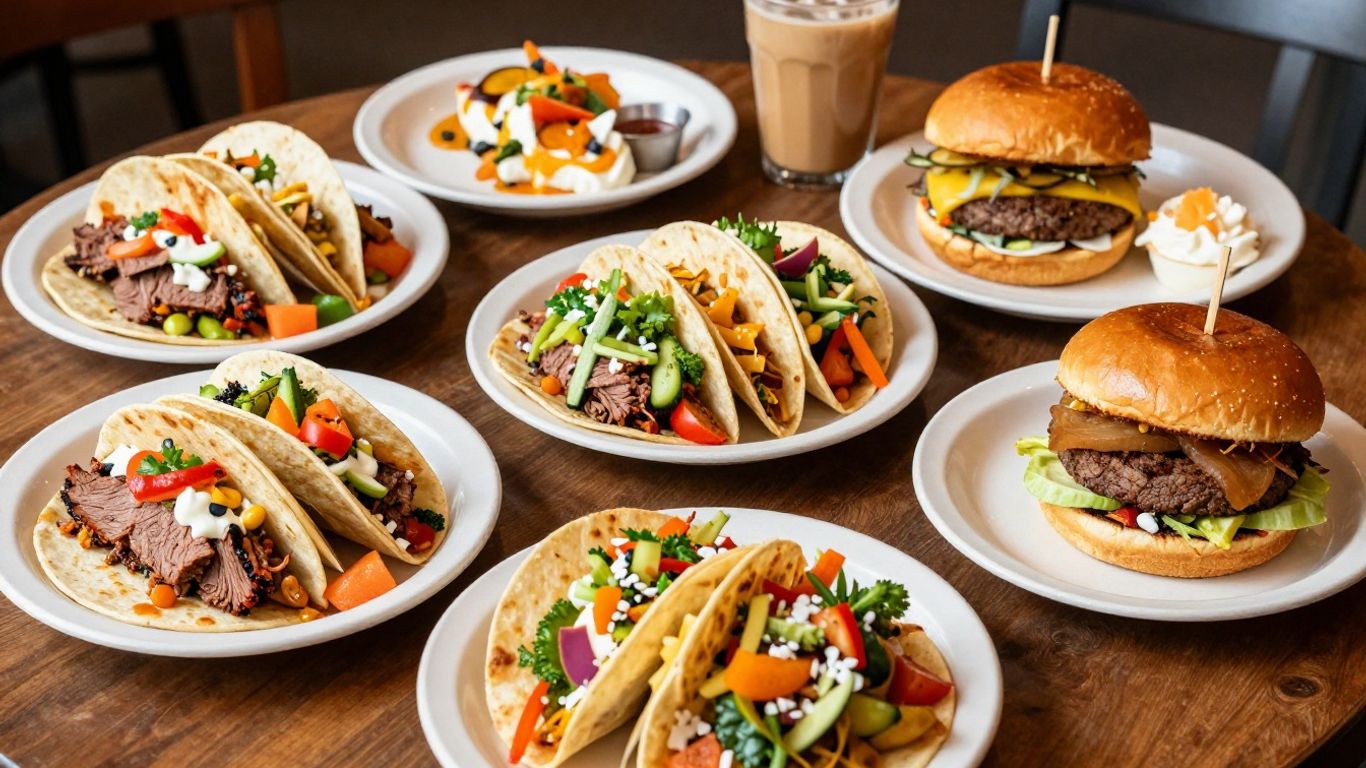
Key Takeaways
Austin rewards hungry people who plan around a dish, not just a neighborhood. Use this guide to match your craving with the right style of meal, from smoked brisket to midnight sweets.
- Start with barbecue, breakfast tacos, or Tex-Mex for classic Austin flavors.
- Food trucks make some of the city's most creative meals accessible and casual.
- Burgers, sandwiches, and Southern plates offer dependable comfort food.
- Farm-to-table, vegetarian, vegan, and international restaurants add plenty of variety.
- Save room for coffee, dessert, and late-night bites after dinner.
1. Classic Texas barbecue in Austin
For many visitors, the best food austin is known for begins with barbecue. Austin-style brisket should have a dark, peppery bark, a tender center, and enough rendered fat to stay juicy without feeling greasy. Pork ribs bring a sweeter, meatier bite, while sausage adds a snap and a little smoke to the plate.
The best barbecue meals are usually built around patience. Popular counters can sell out before dinner, so an early arrival is often part of the experience. Order a few meats to share, then add white bread, pickles, onions, and beans to balance the richness rather than treating the sides as an afterthought.
For a broader look at dependable local dining, browse this Austin restaurant guide before you commit to a barbecue stop. It is also worth checking the current menu and hours, since barbecue quantities and service patterns can change. A long line may be normal, but a short line late in the day can mean fewer choices.
2. Breakfast tacos worth waking up for
Breakfast tacos are Austin's most useful morning food: portable, filling, and flexible enough for almost any appetite. A flour tortilla can hold eggs, crisp potatoes, refried beans, cheese, and smoky bacon, while a corn tortilla suits lighter combinations with avocado, salsa, or roasted vegetables. The best version has contrast in every bite.
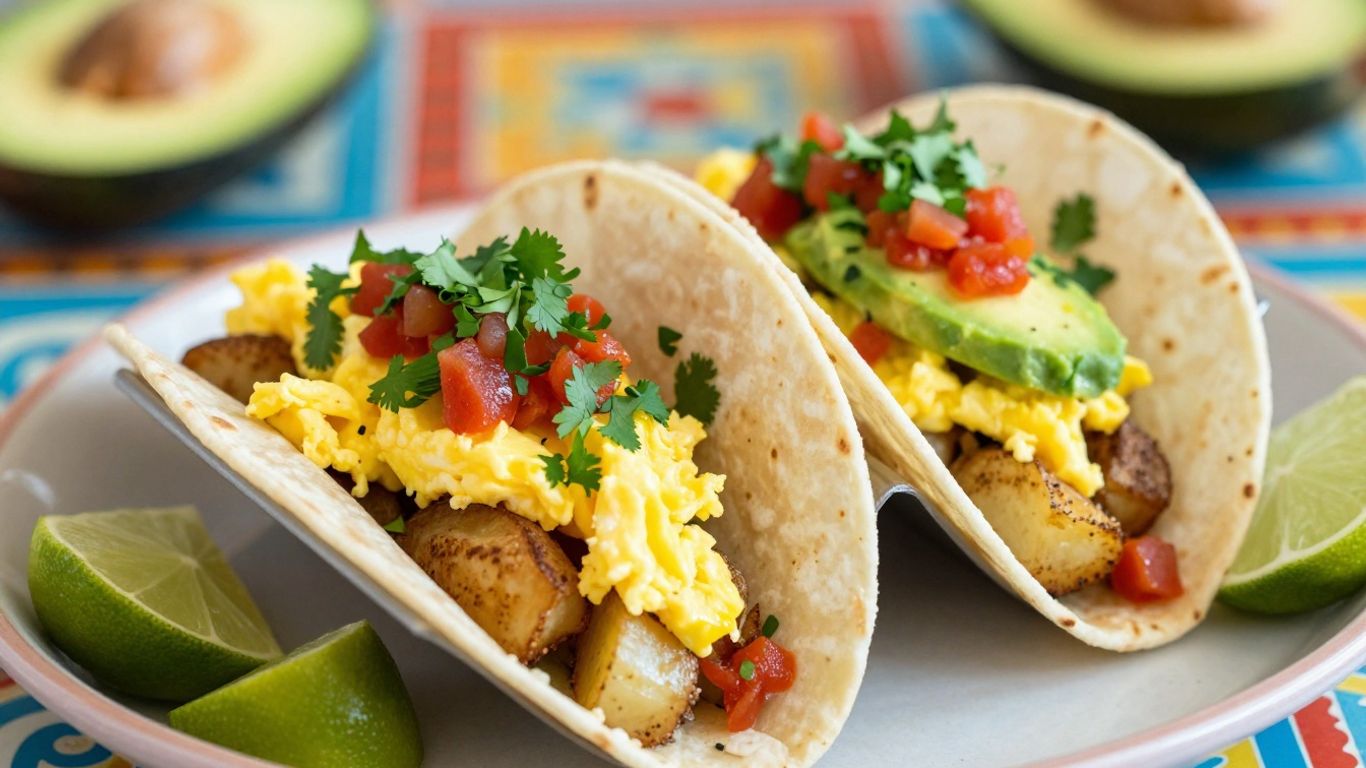
SeeDish is Austin’s visual menu discovery app, so you can browse menus visually and find the breakfast taco that looks right before choosing a restaurant. That helps when one person wants a spicy chorizo filling and another wants something simpler with eggs and potatoes. Look for salsa served on the side if you prefer to control the heat.
Breakfast taco runs work especially well in East Austin, South Congress, and around the university, where a quick meal can turn into a neighborhood walk. Order at least two if you are hungry, but start with one unfamiliar combination when the menu has house-made tortillas or an unusual filling. The small format makes it easy to experiment without overordering.
3. Austin’s best Tex-Mex and tacos
Tex-Mex in Austin is about generous plates, bright chile, and the pleasure of combining several textures at once. Puffy tacos, enchiladas, sizzling fajitas, and queso all have their place, but the right order depends on whether you want a full sit-down meal or a quick bite. Tacos are often the easiest way to compare styles across neighborhoods.
A good taco order might pair one rich filling with one fresh or acidic option. Carnitas benefit from onion and cilantro, grilled vegetables need a sharp salsa, and seafood tacos often work best with cabbage or lime. If you are sharing, add chips and queso, then resist ordering every side before the first round arrives.
Local guides can help narrow the field, but menus tell you more about the meal in front of you. Check tortilla choices, salsa descriptions, portion size, and spice cues before deciding. For current ideas across barbecue, tacos, and casual spots, this local Austin food guide is a useful starting point, especially when you want to compare several types of restaurants.
4. Creative food truck dishes
Austin food trucks are where familiar formats get remixed without becoming fussy. You might find a crisp fried chicken sandwich with an unexpected pickle, a taco built around slow-cooked meat, or a bowl that borrows flavors from several cuisines. The setting is casual, but the cooking can be highly focused.
Truck menus are often short, which is a good sign when you want a decisive meal. Look for one standout item, one side that adds contrast, and a drink that cuts through spice or fried texture. Ordering the house specialty usually makes more sense than trying to recreate a full restaurant-style spread from a six-item menu.
Bring a little flexibility. Trucks can move, sell out, close for private events, or change dishes with the season. Check the current location and service status before crossing town, then eat nearby if the setup includes picnic tables or a shared outdoor court. The best truck meals feel immediate: hot food, a short wait, and no need to overthink the occasion.
5. Top burgers and sandwiches
Austin burgers range from thin-edged and griddled to tall, juicy patties with substantial toppings. The ideal choice depends on your appetite and tolerance for mess. A crisp-edged burger with American cheese is hard to beat when you want salt and texture, while a thicker patty suits a slower meal with a more pronounced beef flavor.
Sandwiches deserve equal attention, especially when the kitchen treats bread as part of the dish rather than a container. Look for crunchy fried chicken, tender pulled meat, roast vegetables, or layered deli fillings with enough sauce to bind everything together. Texture makes the meal: crisp coating, soft bread, fresh pickles, and a little heat keep each bite interesting.
SeeDish lets diners see every dish before they order, which is useful when a burger photo reveals a heavy sauce or a sandwich looks more lunch-sized than expected. Compare the visual menu with your appetite, budget, and side preferences. Fries, slaw, or a simple salad can shift a sandwich from a quick snack into a complete meal.
6. Southern comfort food with a local twist
Southern cooking in Austin is generous without needing to be old-fashioned. Expect fried chicken with crisp, craggy coating, biscuits that split into soft layers, greens with a smoky edge, and sauces that bring vinegar or chile into the mix. These are meals for lingering, especially when the table is crowded with sides.
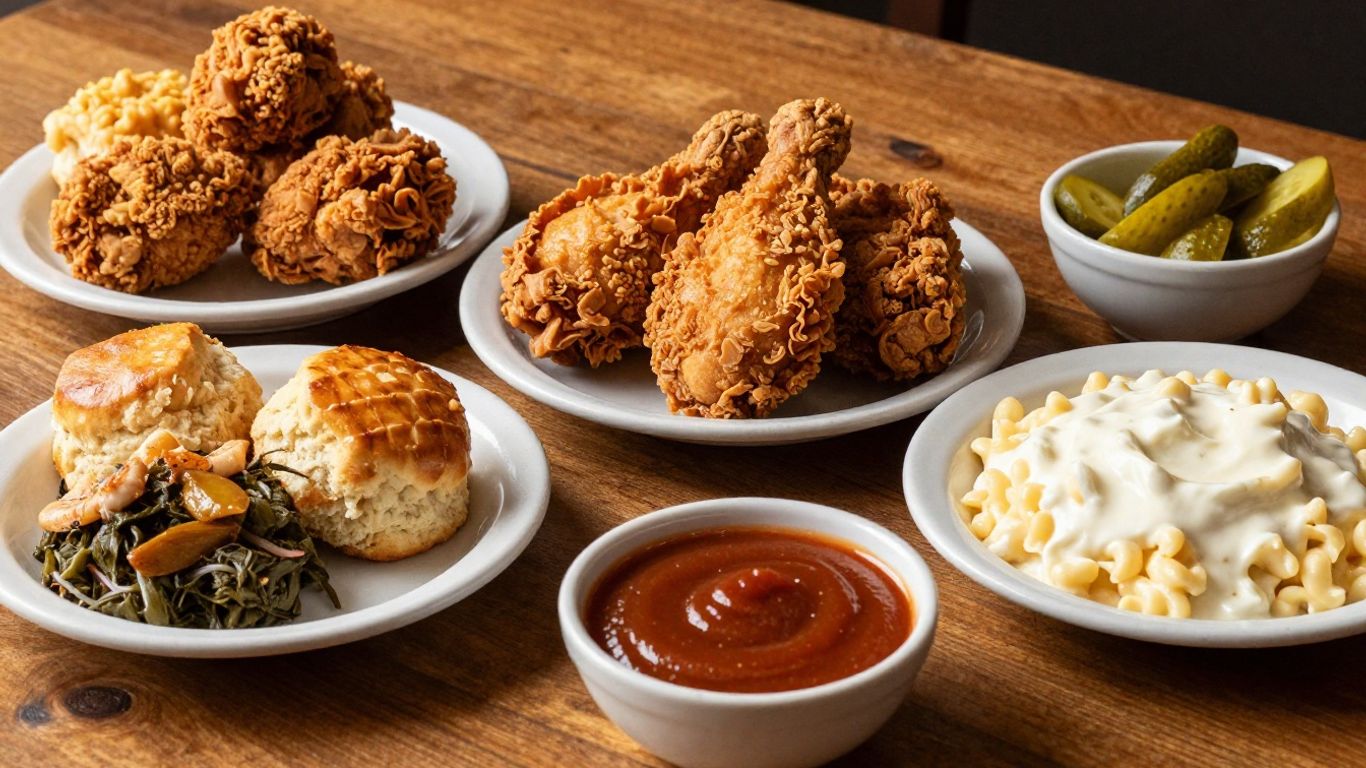
Local touches may appear in the seasoning, the produce, or the way a familiar dish is plated. A bowl of grits can take on roasted vegetables and sharp cheese, while a biscuit sandwich might bring hot honey or pickled peppers. Start with one rich centerpiece and choose sides with different textures so the plate does not become uniformly heavy.
Comfort food is also practical for groups because it is easy to share and forgiving about different appetites. Ask about heat before ordering, particularly when a sauce or seasoning blend carries the spice. A meal built around a few strong dishes usually feels more satisfying than a table overloaded with similar fried items.
7. Fresh farm-to-table dining
Farm-to-table dining works best when the menu changes with the produce rather than treating seasonality as decoration. Austin kitchens may turn local vegetables into charred starters, fold herbs into sauces, or pair fresh fruit with salty cheese and grilled proteins. These plates tend to reward diners who enjoy trying what looks best that day.
If you are comparing restaurants, the menu language can reveal the kind of meal ahead. Here is a quick way to think about common formats:
| Menu style | What to expect | Good choice for |
|---|---|---|
| Seasonal small plates | Several changing dishes for sharing | Curious groups |
| Vegetable-forward entrée | Produce as the center of the plate | Lighter dinners |
| Chef-led tasting | Multiple courses and less choice | Special occasions |
| Market-driven casual meal | Simple preparations and quick service | Flexible lunches |
This approach makes it easier to choose based on the occasion rather than chasing a fixed signature dish. Ask what arrived most recently, and leave room for a side or dessert that uses the same seasonal ingredients. A restaurant that changes often may be more rewarding on repeat visits than a place built around one permanent order.
8. Vegetarian and vegan food in Austin
Vegetarian and vegan diners have plenty of options beyond substitution-heavy versions of meat dishes. Austin menus often build meals around beans, mushrooms, grains, tofu, roasted squash, greens, and fresh sauces, with enough seasoning to make the plate feel complete. The best choices have a clear centerpiece and contrasting textures.
SeeDish helps you browse menus visually when dietary needs are part of the decision. Dish photography can quickly show whether a meal leans toward a hearty bowl, a crisp taco, a colorful salad, or a composed entrée. Still, check the written menu for dairy, egg, shared cooking surfaces, and cross-contact if you have an allergy rather than a preference.
For a satisfying plant-based order, combine something creamy with something crisp and something bright. A rich bean dish benefits from pickled vegetables, while roasted vegetables can use a sharp salsa or citrus dressing. When dining with mixed groups, choose a restaurant with several genuinely appealing options instead of one token vegan plate.
9. Austin’s best international cuisine
Austin's international dining scene covers far more than one familiar category, and the most rewarding meals often begin with a specific craving. Think fragrant broths, hand-shaped dumplings, fiery noodles, fragrant curries, crisp rice dishes, or sushi selected piece by piece. The right restaurant depends on whether you want comfort, spice, precision, or a table full of shareable plates.
Start by identifying the meal's anchor. A bowl of noodles may be enough for one person, while dumplings and grilled meats make more sense for a group. Sauces and condiments matter, too: ask how spicy a dish is served, whether heat can be adjusted, and which items are meant to be eaten together.
Reservations can matter for smaller dining rooms and chef-driven menus, while casual counters may reward an early arrival. Browse a current menu before traveling across town, particularly if you need a particular cuisine or ingredient. Austin's best international meals are not interchangeable, so choose the format that fits your time and company instead of relying only on neighborhood reputation.
10. Desserts, coffee, and late-night bites
A full Austin food day should end with something sweet, caffeinated, or salty enough to keep the evening going. Coffee shops may offer flaky pastries and breakfast sandwiches, while dessert counters lean into cookies, frozen treats, cakes, or seasonal fruit. Late-night menus often favor fries, tacos, sandwiches, and other foods that hold up well after a long night.
When choosing a final stop, think about timing and texture. A rich dessert works after a lighter dinner, while a bright citrus or fruit-based option can reset the palate after barbecue or fried food. For late-night eating, prioritize places with reliable hours and a short menu rather than assuming every kitchen stays open as late as its bar.
Use these simple filters when deciding what to order after dark:
- Choose coffee and pastry for a quiet reset.
- Pick ice cream or a chilled dessert after spicy food.
- Order a cookie or cake when you want something portable.
- Look for tacos, fries, or sandwiches when dinner did not quite fill you up.
SeeDish makes it easier to choose the food first and the restaurant second when you are comparing a late-night craving. A quick look at the visual menu can prevent an unnecessary drive for a dessert that is sold out or a portion that is smaller than expected. That little bit of planning leaves more room for the part that matters: eating something you actually wanted.
Conclusion
Austin is easiest to eat when you follow the craving in front of you, whether that means brisket at noon, tacos before work, a food truck lunch, or dessert after midnight. Compare menus, consider timing and dietary needs, and choose the dish that makes the plan feel worthwhile.
Frequently Asked Questions
What food is Austin best known for?
Austin is best known for Texas barbecue, especially smoked brisket, along with breakfast tacos, Tex-Mex, and creative food truck meals. The city also has strong options for international, vegetarian, and farm-to-table dining.
What should I order at an Austin barbecue restaurant?
Start with brisket if it is available, then add ribs or sausage for variety. Pickles, onions, beans, and another lighter side help balance the richness of the smoked meat.
Are breakfast tacos an all-day food in Austin?
Many Austin restaurants serve breakfast tacos only in the morning, while others offer them later or feature similar taco combinations throughout the day. Check current hours and menus before making a special trip.
Where can I find affordable food in Austin?
Food trucks, taco counters, casual sandwich shops, and lunch specials are often good places to look for affordable meals. Portion size, location, and service style can make a large difference in the final price.
What Austin foods are good for vegetarians?
Vegetarians can find vegetable-forward tacos, bean dishes, grain bowls, roasted vegetable plates, pasta, pizza, and international dishes with substantial plant-based ingredients. Always confirm ingredients if you avoid dairy or eggs.
Should I make reservations for Austin restaurants?
Reservations are helpful for popular dining rooms, tasting menus, and special occasions. Casual counters and food trucks may not accept them, so arriving early and checking service updates is usually more useful.
What is good late-night food in Austin?
Late-night favorites include tacos, burgers, fries, sandwiches, pizza, coffee, cookies, and ice cream. Since kitchen hours vary, confirm that the full menu is still available rather than relying only on a restaurant's closing time.