Key Takeaways
Food in Austin is easiest to enjoy when you plan around a neighborhood, a craving, and the amount of time you have. Start with the classics, then leave room for the city’s newer, globally influenced cooking.
- Try Central Texas barbecue, breakfast tacos, Tex-Mex, and seasonal produce.
- Explore one area at a time, from Downtown and East Austin to South Congress and North Austin.
- Check hours, reservations, barbecue lines, and food truck schedules before you go.
- Match the restaurant to your occasion, dietary needs, budget, and group size.
- Use visual menus to decide what you want before choosing where to eat.
Understanding Austin’s food scene
Austin’s food scene is built on familiar Texas foundations but rarely stays in one lane. You can eat smoked brisket at lunch, handmade tortillas in the afternoon, and a carefully composed tasting menu at dinner. The best way to approach the city is with curiosity and a little practical planning.
How barbecue, Tex-Mex, and Southern cooking shaped local dining
Central Texas barbecue brings the focus back to smoke, salt, wood, and quality meat. Tex-Mex adds chile, cheese, beans, tortillas, and generous plates meant for sharing, while Southern cooking contributes fried chicken, greens, biscuits, and seasonal comfort. Together, these traditions give Austin its recognizable flavor: unfussy at first glance, but deeply particular about technique.
You will see those influences in both old-school counters and polished dining rooms. A chef may use smoked meat in a composed dish, or pair local produce with a sauce inspired by regional Mexican cooking. The familiar flavors matter because they give newer ideas a place to begin.
Why tacos and breakfast tacos are central to Austin food culture
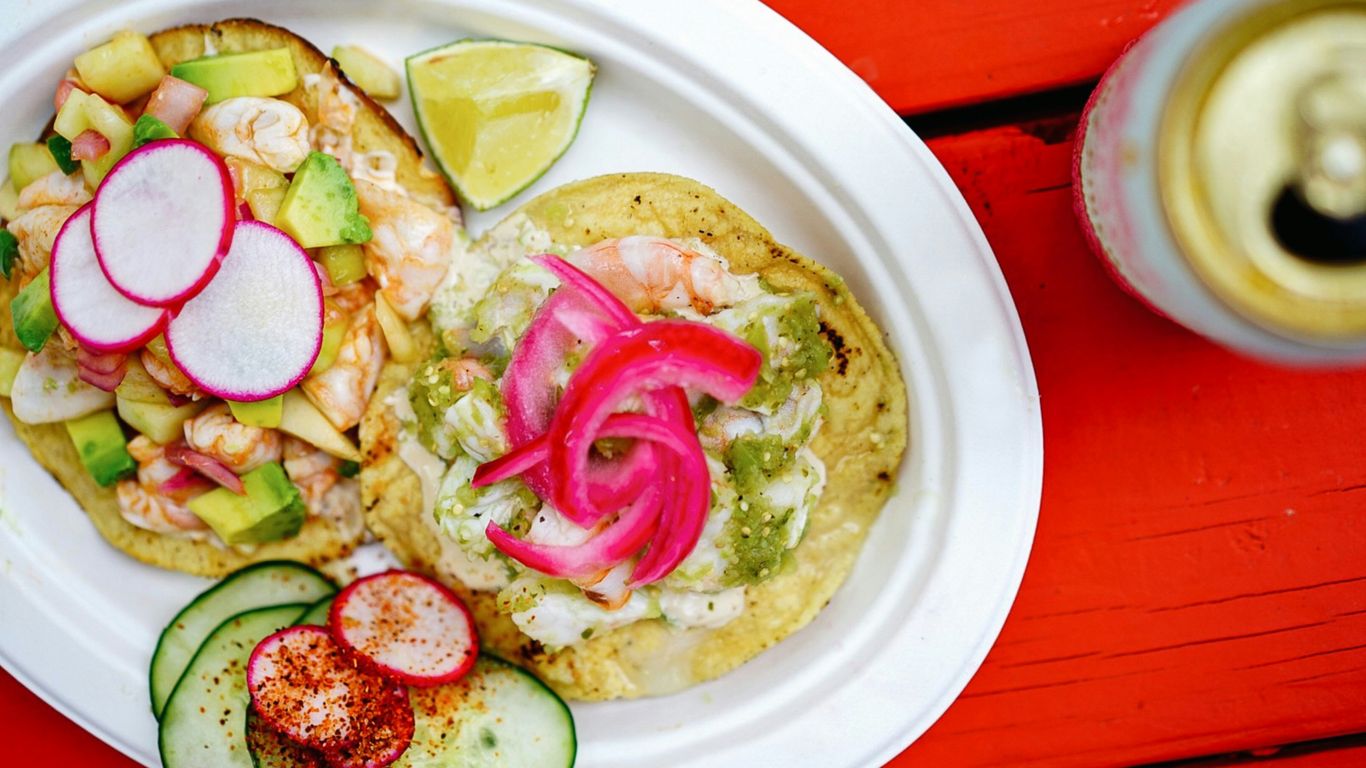
Tacos fit Austin’s rhythm. They are portable, affordable, quick enough for a workday, and flexible enough to hold eggs and potatoes at breakfast or grilled meat and vegetables later on. A good breakfast taco balances a warm tortilla with contrasting textures, such as crisp potatoes, soft eggs, beans, salsa, and a little cheese.
You can compare different taco styles through Austin taco options before deciding whether you want something smoky, spicy, rich, or light. That visual approach is especially useful when menus use the same familiar words for very different portions and preparations.
The role of food trucks, farmers markets, and casual dining
Food trucks helped make experimentation part of everyday eating in Austin. They let cooks test a focused menu, move into busy neighborhoods, and serve food that is often fast without feeling generic. Farmers markets add another layer, connecting restaurants and home cooks with tomatoes, greens, peaches, peppers, and other ingredients that change with the season.
Casual dining ties those ideas together. You might order at a counter, eat on a patio, and still get a dish with serious attention behind it. If you are choosing among several trucks or stalls, look for a short menu with a clear point of view rather than trying to cover too much ground in one meal.
How Austin’s chefs blend Texas traditions with global flavors
Austin chefs often treat Texas ingredients as a starting point rather than a boundary. Smoked meats can meet Southeast Asian herbs, masa can carry ideas from beyond Mexico, and local vegetables may appear in Mediterranean, Japanese, or Caribbean-inspired dishes. The strongest combinations preserve the character of both sides instead of burying everything under heat or sauce.
That variety is one reason a visitor can return several times and have entirely different meals. It also makes menu photos useful: texture, portion size, and color can tell you whether a dish feels like a light lunch, a shareable plate, or a full dinner.
Where to find great food in Austin
Austin is spread out enough that neighborhood choice can shape your meal as much as the restaurant itself. Downtown works well when you are near hotels, offices, or a show, while East Austin and South Austin reward slower wandering. North Austin offers a different mix, especially for Asian food and family meals.
Before setting out, consider parking, walking distance, and how much time you have. A restaurant that looks close on a map may feel less convenient during a busy event or hot afternoon.

Downtown and the Rainey Street area for central dining
Downtown and Rainey Street are convenient choices when you want a central meal near hotels, convention spaces, nightlife, and entertainment. You will find everything from quick counter service to stylish dining rooms, with patios that become especially appealing in mild weather. Plan a little extra time around major events, when parking and wait times can change quickly.
For a broad starting point, this local Austin dining guide can help you compare central restaurants with more destination-style meals elsewhere in the city. If you are staying downtown, a short list of nearby options is usually more useful than trying to cross town for every course.
East Austin for innovative restaurants and neighborhood favorites
East Austin is a strong area for creative cooking, independent restaurants, bars with substantial menus, and relaxed neighborhood rooms. The area suits diners who want to share several plates or try a dish that does not fit neatly into one category. You can build an evening around dinner, drinks, and a walk rather than treating the restaurant as a single stop.
Because menus and openings change, check the current hours before leaving. East Austin also rewards early arrivals when you prefer a quieter table or want to avoid a long wait.
South Congress and South Austin for iconic Austin experiences
South Congress combines recognizable Austin energy with restaurants that range from casual tacos to polished dinners. South Austin spreads that variety across South Lamar, South First, Bouldin Creek, and nearby streets, so you can often find a better fit by searching a few blocks beyond the busiest strip. This South Austin dining guide is useful when you want to compare neighborhood mood, cuisine, timing, and plant-based options.
Expect a mix of patios, walk-up counters, family restaurants, and places suited to a longer evening. If you are visiting an attraction nearby, leave room for traffic and parking rather than scheduling your table too tightly.
North Austin for Asian cuisine, barbecue, and family-friendly restaurants
North Austin is a practical choice when you are near The Domain, North Burnet, or the neighborhoods farther north. You will find strong options for Asian cuisines, barbecue, casual group meals, and restaurants with enough space for families. The area can be easier for larger groups because parking and table availability are often less complicated than in the central core.
It is also a good place to choose the food first. Decide whether your group wants noodles, sushi, smoked meat, rice dishes, or a broad menu, then narrow the search by distance and hours.
The airport area and nearby suburbs for convenient local options
Near the airport, convenience matters, but you do not have to settle for a forgettable meal. Look for places that fit your route and allow enough time for traffic, luggage, or a rental-car return. Nearby suburbs can offer dependable tacos, barbecue, casual chains, and local restaurants that are easier to reach than central Austin during peak periods.
This part of town works particularly well for a first or final meal of the trip. Keep the order simple, check closing times, and choose a restaurant where a delayed arrival will not create unnecessary stress.
Austin dishes and drinks worth trying
Austin’s signature foods are approachable, but details matter. Brisket can vary in richness, tacos can range from breakfast staples to highly composed plates, and a frozen drink may be exactly what you need after a warm afternoon. Try one classic meal, then use the rest of your visit to follow the ingredients and styles that interest you.
Central Texas barbecue and how to order it
At a traditional barbecue counter, brisket is the obvious starting point, but sausage, ribs, turkey, and sides deserve attention too. Order lean or fatty brisket according to your preference, and expect the meat to arrive sliced so you can see the smoke ring and texture. Share a few meats if you are with friends, but do not over-order before you know how large the portions are.
Arrive early at especially popular places, bring patience, and check whether the kitchen closes when the meat sells out. Pickles, onions, white bread, and sauce are part of the rhythm, not distractions from the barbecue.
Breakfast tacos, kolaches, and other morning staples
Breakfast tacos are the essential Austin morning meal, especially when you want something portable and filling. Egg, potato, bean, bacon, sausage, and cheese combinations are common, but salsa is often what gives the taco its personality. Kolaches bring a different texture and history, with soft dough surrounding fruit or savory fillings.
For a low-pressure morning, order one familiar taco and one combination you would not normally choose. Coffee, fresh juice, and simple pastries can round out the meal without turning breakfast into a long production.
Tex-Mex, queso, and classic enchiladas
Tex-Mex is built for comfort and sharing. Start with chips and queso if you want a creamy, communal appetizer, then consider enchiladas, fajitas, tacos, or combination plates depending on your appetite. Enchiladas vary widely: some are rich and cheesy, while others emphasize chile sauce, chicken, beef, or vegetables.
Ask about spice levels when the menu is unclear. A dish described as smoky or chile-forward may have more heat than a mild, cheese-heavy order, and sharing a few plates lets everyone find their preferred balance.
Craft beer, frozen cocktails, and Texas wine
Austin’s drink culture matches its food: casual, creative, and comfortable outdoors. Local beer is easy to pair with smoked meat, tacos, burgers, and fried food, while frozen cocktails provide a cold counterpoint to hot afternoons. Texas wine is another option when you want to explore regional producers without leaving the city.
Choose drinks that support the meal rather than overshadow it. A crisp beer can reset your palate between rich bites, while a citrusy cocktail may work better with grilled seafood, vegetables, or spicy salsa.
Seasonal ingredients that appear on Austin menus
Menus change with the produce available to local cooks. Spring may bring tender greens and early herbs, summer often highlights tomatoes, peaches, and peppers, and cooler months make room for squash, roots, and heartier preparations. Seasonal specials are worth asking about because they may not appear in the restaurant’s standard menu photos.
If you are choosing between several dishes, a seasonal plate can provide a lighter contrast to barbecue, queso, or fried food. It is also a good reason to revisit a restaurant rather than assuming the menu will taste the same each time.
Choosing restaurants for different occasions
The right Austin restaurant depends on more than its reputation. A quick lunch needs speed and easy ordering, a date night needs atmosphere and pacing, and a family gathering needs flexibility. Decide what the meal has to accomplish before you start comparing menus.
A beautiful room does not help if your group cannot agree on the food, and a famous dish may not be worth a long wait when you have tickets for a show.
Casual spots for a quick lunch or relaxed dinner
For a casual meal, prioritize a clear menu, counter service or manageable waits, and portions that match your schedule. Food trucks, neighborhood cafes, taco shops, and relaxed patios are often the best choices when you want flavor without ceremony. They also make it easier for everyone to order differently.
A short list can keep the decision moving:
- Choose counter service when your schedule is tight.
- Look for shareable plates when you are still deciding what sounds good.
- Pick a patio or spacious dining room for an unhurried catch-up.
- Confirm kitchen hours before making a late drive.
These choices help you avoid spending more time planning lunch than eating it. For more casual inspiration, browse Austin food spots by craving and then check the current menu before you go.
Date-night restaurants with atmosphere and creative menus
A good date-night restaurant gives you room to talk while offering enough detail in the food to make the evening feel distinct. Look for comfortable lighting, a menu with a few adventurous options, and a pace that does not rush you through the meal. Sharing an appetizer or dessert can make an unfamiliar restaurant feel easier to navigate.
Reservations are wise for popular dining rooms, particularly on Friday and Saturday nights. If you prefer spontaneity, choose an earlier seating or a restaurant with a lively bar where you can wait comfortably.
Group dining for families, celebrations, and visitors
Groups need flexibility more than a perfect single dish. Seek menus with several price points, recognizable options for cautious eaters, and enough shareable food to keep the table engaged. A large patio or roomy dining room can matter as much as the cooking when children, visitors, or a celebration are involved.
Confirm whether the restaurant handles large parties with a set menu, automatic gratuity, or a limited ordering format. Those details are easier to manage when you know them before arrival.
Late-night food near Austin’s entertainment districts
Late-night dining is concentrated around busy entertainment areas, but hours can vary by day and season. Tacos, burgers, pizza, barbecue sandwiches, and fried snacks are common choices because they are satisfying after a show or a night out. Check the actual kitchen closing time rather than relying on the posted bar hours.
If you are traveling with a group, choose a place with quick ordering and enough seating. A late meal should feel restorative, not like another complicated reservation to coordinate.
Fine dining and chef-led tasting menus
Fine dining in Austin can mean a multi-course tasting menu, a polished Texas-inspired dinner, or a focused restaurant where every plate is carefully paced. These meals reward attention, so allow several hours and read the menu beforehand if you have allergies or strong preferences. Ask about substitutions early rather than waiting until the first course arrives.
Tasting menus are best for a special occasion or when you want the kitchen to guide the evening. If you prefer control over cost and portion, an à la carte dining room may be a better fit.
Finding food in Austin for different diets
Austin has enough variety to support many eating styles, but a broad dietary label does not automatically answer every practical question. You still need to ask about ingredients, preparation, sauces, shared fryers, and substitutions. A visual menu can help you spot promising dishes before you call or arrive.
Vegetarian and vegan dining across the city
Vegetarian and vegan diners can find everything from plant-based comfort food to vegetable-forward tasting menus and globally inspired bowls. Look for menus that build flavor through beans, mushrooms, grains, roasted vegetables, herbs, and chile rather than simply removing meat from an existing dish.
When dining with a mixed group, choose a restaurant with several substantial meat-free options. That gives everyone a real meal instead of one side dish and a salad.
Gluten-free choices and cross-contact considerations
Gluten-free diners should ask about tortillas, sauces, marinades, breading, soy sauce, and shared fryers. Corn tortillas are common, but a restaurant may still prepare them on a surface shared with flour tortillas. The more serious the sensitivity, the more directly you should explain what you need.
Menus can identify likely choices, but staff confirmation is still necessary. A simple question about preparation is more useful than assuming a dish is safe from its name alone.
Halal, kosher, and culturally specific cuisines
For halal, kosher, and other culturally specific needs, begin with restaurants that clearly describe their preparation and sourcing. Ask whether the entire kitchen follows the relevant standard or whether only certain dishes qualify. You may also find better choices by searching for a cuisine or neighborhood community rather than filtering only by a broad dietary term.
Be specific and respectful when asking questions. Staff can usually help more effectively when you identify the ingredient or preparation that concerns you.
Kid-friendly restaurants with flexible menus
Kid-friendly dining is less about a separate children’s menu than about timing, space, and familiar choices. Tacos, rice bowls, sandwiches, noodles, and simple grilled foods can work well when a restaurant allows small adjustments. Outdoor seating and quick service are useful when patience is limited.
Bring snacks for the wait if needed, and check whether the restaurant accepts walk-ins for your group size. An early dinner often gives families more room and a calmer meal.
How to communicate allergies when ordering
Tell the server about an allergy before ordering and name the specific ingredient or risk. Ask about sauces, garnishes, shared cooking surfaces, and whether the kitchen can safely modify the dish. If the restaurant cannot accommodate the request, it is better to choose another place than to rely on a vague substitution.
Visual menus can help you narrow the field, but they cannot replace a conversation with the restaurant. Treat photos as a starting point for questions, not a guarantee about ingredients.
Planning an Austin food itinerary
A good food itinerary leaves space between meals. Austin’s neighborhoods are spread out, popular barbecue lines can take time, and a restaurant that looks close may be slow to reach during a festival or concert. Plan around geography first, then fill in the meals.
How to organize meals by neighborhood
Group your meals by area so you spend more time eating and less time crossing the city. A simple plan might pair Downtown with Rainey Street, East Austin with nearby bars and cafes, or South Congress with South Lamar and Bouldin Creek. North Austin deserves its own block when Asian food or a family meal is the priority.
A neighborhood plan is easier to adjust when you know what each area does best. Use this quick framework before booking anything:
| Area | Good fit | Planning note |
|---|---|---|
| Downtown and Rainey Street | Central dining and nightlife | Allow for event traffic |
| East Austin | Creative plates and neighborhood meals | Check hours carefully |
| South Congress and South Austin | Tacos, patios, and visitor-friendly stops | Parking can take time |
| North Austin | Asian cuisine and group dining | Useful for family-friendly plans |
The table is a starting point, not a rule. If one restaurant is sold out, you can usually stay in the same area and switch to a similar style of meal without losing the whole day.
When reservations are essential and when walk-ins work
Reserve ahead for tasting menus, popular date-night rooms, weekend dinners, and larger groups. Walk-ins are more realistic at food trucks, counter-service spots, casual cafes, and restaurants with bar seating. Earlier meals also give you more flexibility than peak dinner hours.
Before booking, check the cancellation policy and whether the table has a time limit. That matters when you are pairing dinner with live music or another timed activity.
Managing barbecue lines, food truck hours, and busy periods
Barbecue lines are often part of the experience, but they can consume a morning if you arrive late or choose a busy weekend. Food trucks may have limited hours, sell out of popular items, or close for private events. Check social channels or the current business listing before making a special trip.
Have a backup nearby. A second option within the same neighborhood keeps a delayed meal from turning into a full itinerary problem.
Building an itinerary around festivals and live music
Festivals and concerts can transform ordinary travel times into long delays. Eat earlier than usual, choose restaurants near your venue, and leave enough time for security, parking, and walking. If you want to try a destination restaurant, make it the main event rather than squeezing it between performances.
For live music, a casual meal may be the most reliable choice. You can always plan a slower brunch or lunch for the next day when the schedule is less demanding.
What to do when popular restaurants are sold out
A sold-out restaurant does not mean the day is lost. Look for a bar seat, an early table, a walk-in counter, or a nearby restaurant serving a similar style of food. You can also change the dish rather than the neighborhood: if barbecue is unavailable, try tacos or smoked-meat sandwiches nearby.
This is where browsing visually helps. SeeDish lets you compare photographed dishes before committing to a replacement, which is useful when you want a particular texture or ingredient rather than a specific restaurant name.
Eating well on any Austin budget
You can eat very well in Austin at several price levels. The cost of a meal depends on more than the entrée: drinks, sides, service charges, parking, and dessert can quickly change the final total. Set a rough per-person range, then decide where you want to spend and where you are happy to keep things simple.
Affordable tacos, sandwiches, and food truck meals
Tacos, sandwiches, food trucks, and counter-service restaurants are reliable ways to control spending without giving up flavor. Look for filling combinations with beans, rice, potatoes, vegetables, or a single well-prepared protein. Sharing one side or dessert can also make a quick meal feel complete.
The cheapest choice is not always the smallest. Compare portion size, included sides, and whether you will need a second order before deciding what offers the best value.
Mid-range restaurants with strong value
Mid-range restaurants often provide the best balance of atmosphere, variety, and price. You may get a more comfortable room, better service, and several well-developed choices without committing to a tasting menu. Lunch, early dinner, and shared plates can make these restaurants even more approachable.
Read the menu before arriving and identify two or three dishes that fit your budget. That keeps you from making an expensive decision while hungry.
Splurge-worthy meals and tasting menus
A splurge is most worthwhile when the format matches what you want. Choose a tasting menu if you enjoy being guided through multiple courses, or choose à la carte if you want to spend on one standout entrée and a drink. Ask about supplements, beverage pairings, gratuity, and cancellation terms before booking.
The point is not simply to spend more. It is to choose a meal with memorable cooking, thoughtful pacing, and an experience you will actually enjoy.
Happy hours, lunch specials, and weekday deals
Happy hours and weekday specials can make a popular restaurant more accessible. Look for reduced appetizers, discounted drinks, lunch combinations, and early-dining menus, but confirm the days and times because offers change. A weekday lunch may also be easier to book than a weekend dinner.
If you are using a special to try somewhere new, check whether the deal applies only at the bar or excludes certain dishes. Small restrictions can affect the value.
Tips for comparing portions, service fees, and final costs
Compare the whole meal rather than the headline price. An entrée that looks inexpensive may require several sides, while a larger plate may comfortably serve two people. Service fees, automatic gratuity, parking, and drinks can also matter more than a few dollars’ difference between dishes.
Write down the likely total before you commit, especially for groups. A clear estimate makes it easier to choose between a casual stop, a mid-range dinner, and a special occasion meal.
Conclusion
Food in Austin rewards a flexible plan: start with barbecue, tacos, Tex-Mex, or another dish you genuinely want, then choose the neighborhood and restaurant that fit your time, budget, and company. Choose the dish first when you are unsure, compare menus visually, and leave room for the city’s seasonal and globally influenced cooking. For a practical next step, use SeeDish to browse photographed Austin dishes, then find your next meal when you are ready to decide.
Frequently Asked Questions
What food is Austin best known for?
Austin is best known for Central Texas barbecue, breakfast tacos, Tex-Mex, queso, and a broad food truck culture. The city is also recognized for restaurants that combine Texas ingredients with global cooking styles.
Where should you eat first in Austin?
Start with the neighborhood closest to your hotel or main activity. Downtown, East Austin, South Austin, and North Austin all offer strong choices, so reducing travel time can make your first meal more enjoyable.
What is a typical Austin breakfast?
Breakfast tacos are the classic choice, often filled with eggs, potatoes, beans, cheese, bacon, or sausage and finished with salsa. Kolaches, coffee, and simple pastries are also common morning options.
Do you need reservations in Austin?
Reservations are recommended for tasting menus, popular date-night restaurants, weekend dinners, and larger groups. Walk-ins are more practical at food trucks, counter-service restaurants, casual cafes, and some bar seats.
How much does a meal in Austin cost?
You can find affordable meals through tacos, sandwiches, and food trucks, while mid-range dinners and tasting menus cost more. Remember to include drinks, sides, taxes, gratuity, service fees, and parking when estimating the total.
What should you order at an Austin barbecue restaurant?
Brisket is the classic starting point, followed by sausage, ribs, turkey, and house sides. If it is your first visit, sharing a few meats lets you compare textures and richness without overcommitting to one order.
How can you find restaurants for dietary restrictions?
Search for restaurants with clear ingredient information, then confirm preparation details with staff. Ask about shared fryers, sauces, tortillas, marinades, cross-contact, and substitutions when the dietary need is medically important.