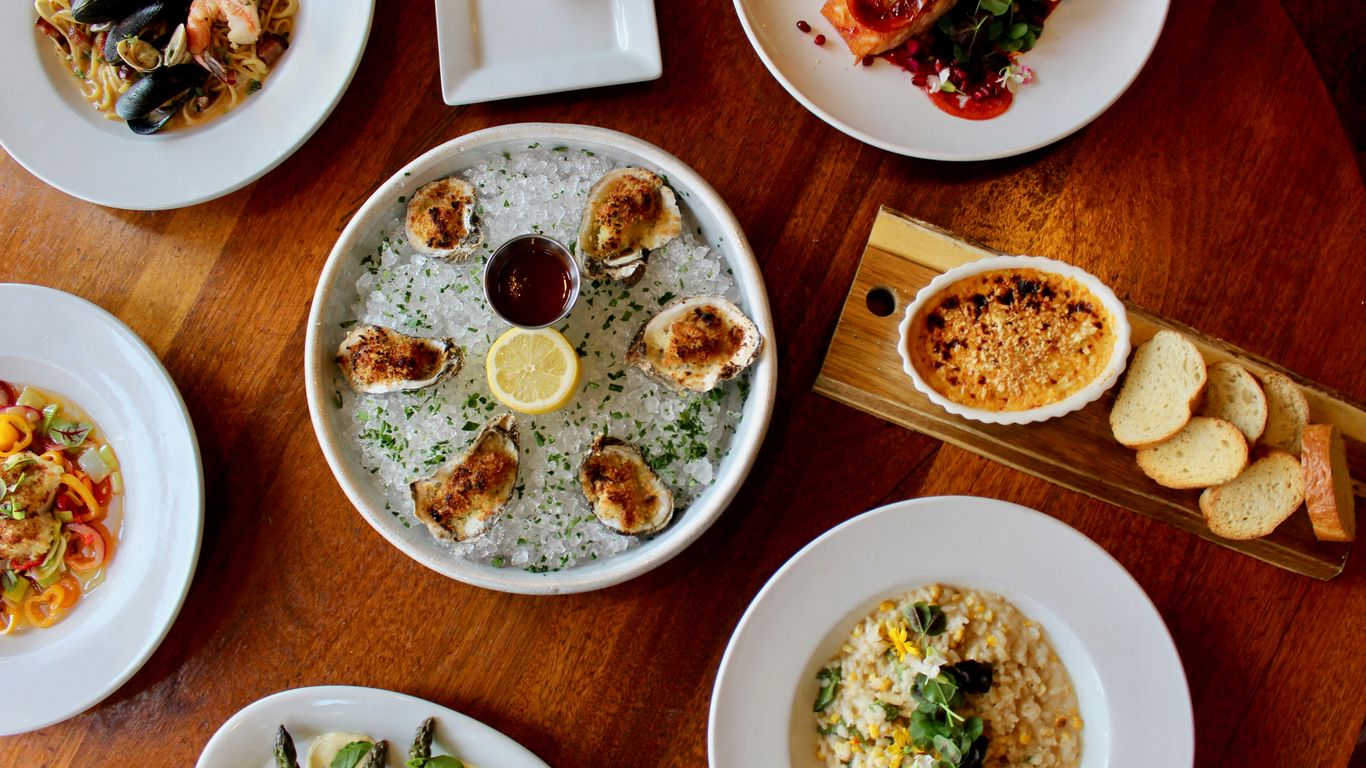
Key Takeaways
Este is a seafood-focused Austin restaurant where you can make a meal around raw selections, shared plates, and changing seasonal choices. Use the guide below to plan your order, drinks, timing, and budget before you arrive.
- Start with a lighter seafood dish, then add richer or cooked plates.
- Ask about daily changes before settling on your full order.
- Share several dishes so you can compare textures and preparations.
- Confirm allergy and gluten questions directly with the service team.
- Check current menus, reservations, and dish photos before you go.
What to know about Este in Austin
Este is an Austin seafood restaurant with a menu built around fresh seafood preparations, from delicate raw dishes to more substantial entrées. The experience works best when you give yourself room to order in stages rather than choosing everything at once. Because seafood availability and seasonal ingredients can change, your best meal may depend on what is offered that day. For broader neighborhood ideas, this Austin dining guide can help you place Este within the city's larger restaurant scene.
East Austin location and neighborhood context
Este is associated with East Austin, a neighborhood where dinner can easily become part of a longer evening out. You can pair the meal with a walk, a drink elsewhere, or another stop nearby, but leave enough time to sit down and eat at an unhurried pace. If you are visiting from another part of town, check the current address, parking details, and arrival instructions before setting out.
Restaurant style and seafood-focused approach
The restaurant's identity centers on seafood rather than a single narrow preparation. That gives you flexibility: a meal can stay bright and delicate, or move toward grilled, fried, or otherwise richer plates as you go. The most useful way to read the menu is by texture and intensity, not just by the names of individual dishes.
When to visit for a relaxed meal
For a calmer experience, consider an earlier dinner or a weekday visit, then confirm current seating patterns when you book. Peak evening hours tend to suit a livelier occasion, while a quieter time gives you more space to ask questions and pace several courses. A seafood menu is easier to enjoy when you are not rushing toward another reservation.
Reservations, walk-ins, and timing considerations
Check the restaurant's current reservation system before you leave, since availability, walk-in policies, and party-size rules can change. If you are dining with a group, call ahead with allergies and timing concerns rather than trying to solve everything at the table. For a first visit, allow enough time for a few rounds of ordering, especially if you want both raw and cooked dishes.
How to navigate the Este menu
The Este menu is easiest to understand as a progression: begin with chilled or raw seafood, add a few shared plates, and finish with a larger dish only if the table still wants one. That approach keeps the meal flexible and lets you respond to the day's selection. You can also use the Este seafood menu as a starting point, then verify current offerings directly before visiting.
Raw and chilled seafood selections
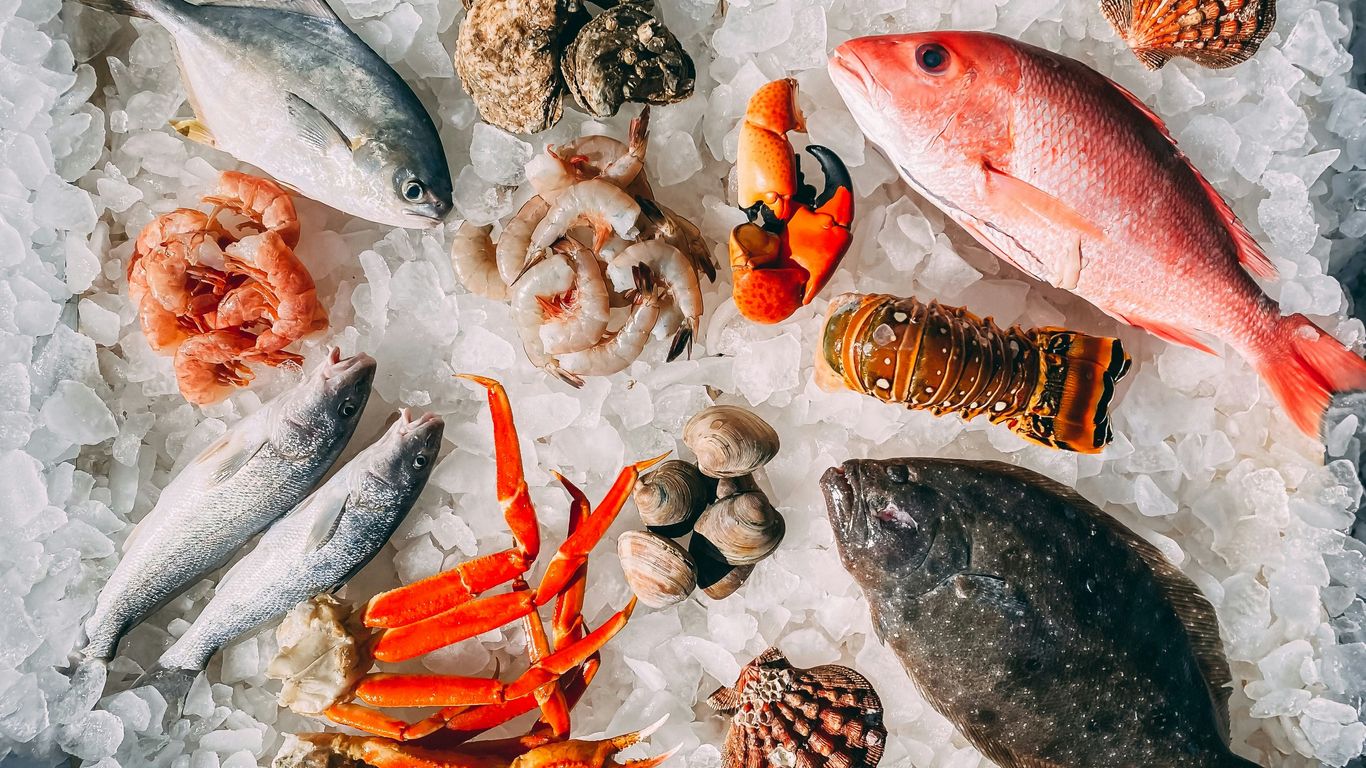
Raw and chilled items often provide the clearest first impression of a seafood restaurant because they emphasize freshness, temperature, acidity, and texture. Order conservatively at first if you are unfamiliar with the selection, then add more once you know what the table enjoys. If you prefer a gentler introduction, look for preparations with citrus, herbs, or a clean, restrained dressing.
Shared plates and larger dishes
Shared plates let you compare different cooking methods without committing the whole meal to one flavor profile. A cooked dish can bring warmth and richness after a chilled opener, while a larger plate may serve as the table's anchor. Ask whether a dish is intended for sharing and whether sides come separately before you decide how much food to order.
Seasonal ingredients and daily changes
Seafood menus are naturally responsive to supply, season, and the kitchen's current choices. That means an item you saw in a photo or on an older menu may not be available today. Treat the listed menu as a guide, and ask which dishes are especially good that evening rather than trying to recreate someone else's order exactly.
Portion sizes for solo diners and groups
Portion planning depends on how many raw, cooked, and substantial dishes you choose. As a rough framework, a solo diner might choose one lighter item and one more filling plate, while a group can add several shared preparations before deciding whether another large dish is needed. This simple comparison can help you pace the order:
| Dining situation | Sensible starting point | What to add next |
|---|---|---|
| Solo meal | One raw or chilled item | One cooked or filling dish |
| Two diners | Two lighter dishes | One shared plate or entrée |
| Small group | Several varied starters | A larger dish for the table |
| Larger group | A broad first round | Additional plates after tasting |
The table is only a starting point, since appetites and dish sizes vary. Order the first round with a little restraint, then adjust once you can see how much food is actually arriving.
What to order on your first visit
Your first order should show range without turning the table into a pile of untested dishes. A good plan moves from clean, bright flavors toward deeper, warmer preparations, with enough variety for everyone to find a favorite. The most useful question to ask is not “What is the one signature dish?” but “Which combination best represents the menu tonight?”
A balanced progression from lighter to richer dishes
Begin with something chilled or raw, especially if the table enjoys fresh, briny, or citrus-led flavors. Follow with a shared cooked plate, then consider a richer entrée or substantial seafood preparation. This creates contrast and keeps the meal from feeling one-note.
Standout choices for seafood fans
If you already love seafood, look for contrast: one dish that highlights the ingredient simply and another that adds smoke, crispness, spice, or a fuller sauce. Oysters or similarly delicate selections can be a good opening when available, while cooked fish or shellfish can provide more texture and warmth. Ask the server which preparation best reflects the kitchen's current strengths.
How to build a shareable table
A shareable table works when each dish contributes something different. You might combine a chilled starter, a bright vegetable or side, a cooked seafood plate, and one larger dish. Keep sauces and spice in mind so that the order has balance rather than several plates competing for the same flavor space.
Ordering strategies for a memorable first meal
You do not need to order the entire meal in the first minute. Start with a few dishes, listen to the service team's recommendations, and leave room to add something once you understand the portions. These four questions usually make the decision easier:
- What is especially good or newly available today?
- Which dish is best for sharing?
- Is the preparation delicate, spicy, rich, or strongly seasoned?
- What should arrive first, and what can wait?
That conversation turns a long menu into a manageable plan. It also gives you a better chance of finding a dish that suits the table instead of ordering by appearance alone.
Pairing drinks with the Este menu
Seafood pairings usually work best when the drink supports the food rather than overpowering it. Bright acidity, moderate body, and refreshing finishes can keep raw and chilled dishes lively, while richer cooked plates may welcome more texture. Bring the table's preferences into the decision; a perfect pairing is not useful if nobody wants to drink it.
Cocktails that complement bright seafood flavors
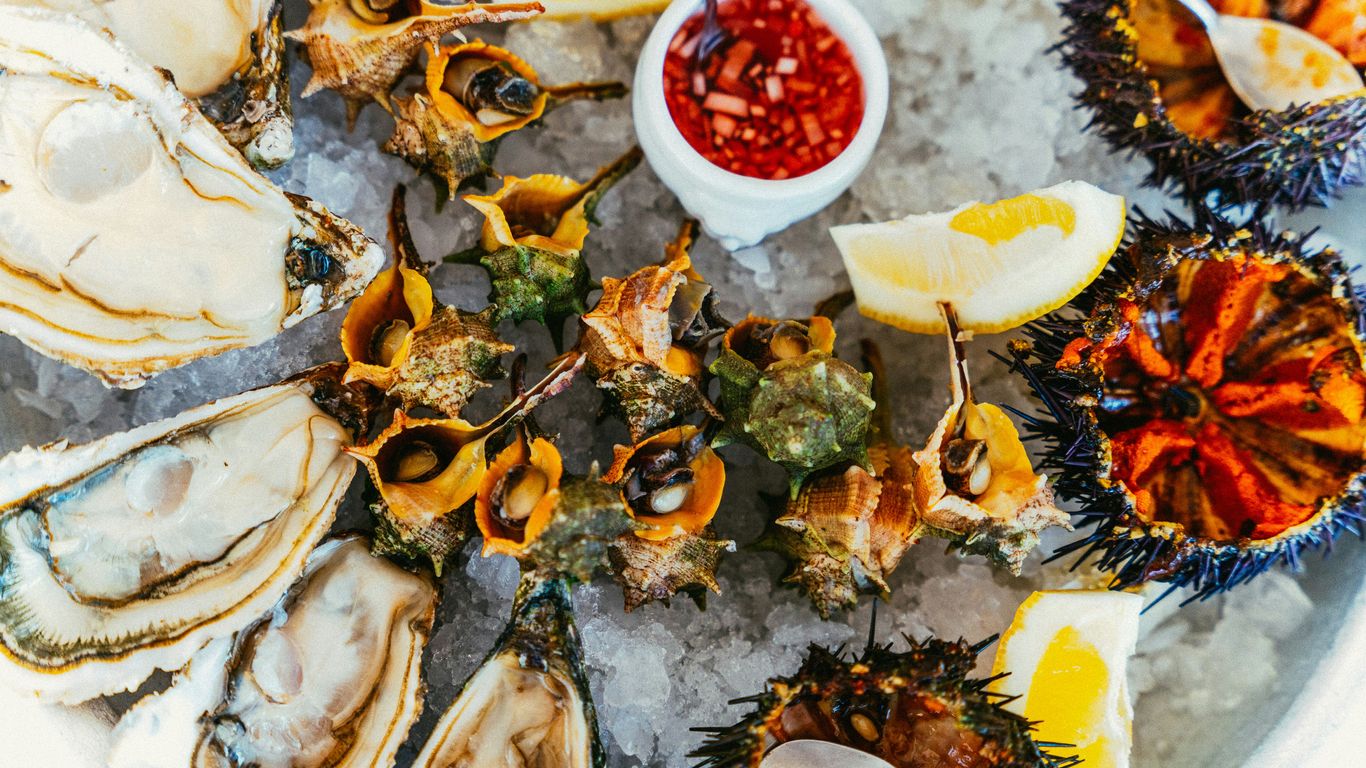
For raw seafood, look for cocktails with citrus, herbs, or a crisp finish. Lightly refreshing drinks can echo the acidity of a dish without making it taste sweeter or heavier. With richer preparations, a cocktail with a little more bitterness or spirit character may provide a useful counterpoint.
Wine styles for raw, grilled, and fried dishes
Crisp white wines are a natural place to start with chilled seafood, while fuller whites can stand up to grilled or sauced preparations. Sparkling wine can refresh the palate between bites, and a light, low-tannin red may work better with strongly seasoned cooked dishes than a heavy red. If you are unsure, describe the food you ordered and the flavor profile you prefer.
Beer and nonalcoholic options
A cold beer can be an easy match for fried or boldly seasoned seafood, especially when you want a clean, refreshing finish. Nonalcoholic choices with citrus, bubbles, or herbal notes can play a similar role without alcohol. Ask what is available that day rather than assuming the beverage list stays fixed.
Choosing drinks for a group with different tastes
When a group cannot agree, order a mix instead of forcing one bottle or cocktail style on everyone. A sparkling option, a crisp white, and a beer or nonalcoholic drink cover several preferences while keeping the food central. You can also begin with water and one shared drink, then choose individual beverages after the first plates arrive.
Este menu options for different dietary needs
Seafood restaurants can accommodate different preferences, but you should not guess about ingredients or preparation methods. Sauces, garnishes, shared fryers, and cross-contact can matter as much as the main ingredient. Treat the service team as your best source for current, dish-specific answers.
Navigating shellfish and common seafood allergies
If you have a shellfish allergy, tell the team before ordering and be precise about whether your concern includes crustaceans, mollusks, or cross-contact. Do not rely on a dish name alone, since stocks, sauces, and shared equipment may contain unexpected ingredients. The kitchen may be able to suggest alternatives, but you should confirm what can be prepared safely.
Gluten-conscious ordering considerations
Ask whether breading, sauces, marinades, and garnishes contain wheat or may have contacted it. Fried items deserve particular attention because shared oil can affect how suitable they are for your needs. A clearly stated gluten concern gives the team a better chance to guide you through the current menu.
Vegetarian sides and plant-forward choices
A seafood-focused restaurant may have fewer fully vegetarian main dishes, so ask about vegetable plates, salads, grains, or seasonal sides that can build a satisfying meal. You can also request that the kitchen clarify whether a side is cooked with seafood stock, fish sauce, or another animal-based ingredient. Availability will depend on the current menu.
Questions to ask the service team
A short, direct conversation is more useful than trying to decode every ingredient yourself. Ask about preparation, shared equipment, substitutions, and whether a dish can be modified without losing its intended balance. If your needs are severe, mention them when making the reservation as well as when you arrive.
Planning an Austin dining experience at Este
Este can suit a date, a small celebration, or a dinner when you want to spend time around the table rather than rush through a meal. The seafood focus makes it especially appealing when your group wants variety and is comfortable sharing. Before you commit, compare the current menu, timing, and neighborhood logistics with the kind of evening you want.
Best occasions for visiting
Choose Este for occasions where conversation, drinks, and several rounds of food all sound appealing. It can also work for a focused seafood dinner if you arrive with a clear idea of what you want to try. For more Austin planning ideas, browse this local dining guide and match the restaurant to your route and occasion.
What to expect from service and pacing
Plan for a meal that unfolds in stages rather than one immediate plate. Raw items, shared dishes, and larger preparations may arrive at different points, so tell the team if you have a firm end time. A relaxed pace is part of the appeal, but clear communication helps the staff shape the experience around your schedule.
How the menu fits into an East Austin itinerary
Build your evening around the reservation rather than treating Este as a quick stop between activities. East Austin gives you options for a longer night, but parking, traffic, and walking time can vary. If you are deciding what to eat before you choose the restaurant, SeeDish lets you browse Austin dining options and photographed menu items by what looks appealing.
Budgeting for food, drinks, tax, and tip
Your final cost will depend on how many raw selections, shared plates, larger dishes, and drinks you order. Check current prices before visiting, then leave room for sales tax and your planned tip. For a group, agreeing on whether you are sharing everything or splitting individual items can make the bill much easier to manage.
Conclusion
A successful Este visit starts with a flexible plan: check the current menu, begin with lighter seafood, add contrasting shared plates, and ask questions about timing and dietary needs. When you are ready to compare dishes visually, browse Austin menus and choose your next meal with a clearer idea of what you actually want to eat.
Frequently Asked Questions
What kind of restaurant is Este?
Este is a seafood-focused Austin restaurant offering a range of raw, chilled, cooked, and more substantial seafood preparations.
What should you order first at Este?
Start with a lighter raw or chilled dish, then add a shared cooked plate before deciding whether you want a larger entrée.
Is Este good for sharing?
Yes, a progression of small and larger dishes can work well for sharing, especially when your group wants to compare different preparations.
Does the menu change?
Seafood availability and seasonal ingredients can change, so ask about current selections and daily recommendations when you arrive.
Can you find vegetarian food at a seafood restaurant?
You may find vegetable dishes, salads, grains, or seasonal sides, but ask whether they contain seafood stock, fish sauce, or other animal-based ingredients.
How should you handle a seafood allergy?
Tell the restaurant before ordering and ask about ingredients, sauces, preparation methods, and cross-contact with shellfish or shared equipment.
Should you make a reservation?
Check the current reservation system before visiting, particularly for larger groups, peak dinner hours, or an occasion with a firm schedule.