Key Takeaways
Austin’s best eating is wonderfully varied, but a few dishes give you the clearest first taste of the city. Use this guide to match your appetite, neighborhood, and timing to the right stop.
- Start with brisket, breakfast tacos, queso, or a well-made burger.
- Expect excellent food from trailers, patios, counters, and polished dining rooms.
- East Austin and South Congress offer especially easy food-crawl routes.
- Vegetarian diners have plenty of satisfying choices beyond side dishes.
- Save room for coffee, frozen treats, pastries, and local drinks.
1. Texas barbecue
If you are looking for the best food austin has to offer, begin with Texas barbecue. Central Texas barbecue is built around smoke, time, and restraint: well-seasoned meat, a dark peppery bark, and a tender interior that still tastes distinctly beefy. Brisket is the usual headline, but pork ribs and sausage deserve attention too.
Plan your visit like a meal rather than a quick snack. Popular barbecue counters may sell out of favorite cuts, and the most relaxed experience usually comes when you arrive early, accept the day’s rhythm, and order a little variety. A tray with brisket, ribs, sausage, pickles, onions, and white bread lets you compare textures without overcomplicating things.
This Austin food guide is useful when you want to compare barbecue with the city’s other defining dishes. The practical rule is simple: order moist and lean brisket if you are sharing, add a rib for contrast, and treat sides as supporting players rather than the reason you came.
| What to order | What to look for | Best for |
|---|---|---|
| Brisket | Peppery bark and tender slices | A first Austin barbecue meal |
| Pork ribs | A clean bite with smoky edges | Sharing and contrast |
| Sausage | Juicy texture and a firm casing | A quick, hearty plate |
That mix gives you a useful benchmark for the rest of your trip. Barbecue can be a long lunch, a takeout picnic, or the anchor of a larger food day, so choose the format that suits your schedule.
2. Breakfast tacos
Breakfast tacos are Austin’s most flexible morning meal: warm tortillas wrapped around eggs, potatoes, beans, cheese, bacon, or spicy sausage. You can keep one simple with egg and potato or build a more substantial pair with beans, avocado, and a smoky filling. The best versions feel fresh rather than overloaded, with a tortilla that holds together without stealing the show.
For an efficient order, choose one familiar taco and one with a little more personality. Salsa changes the balance completely, so ask for it if it is not already included, and be ready for heat that ranges from bright and tangy to genuinely fiery. A breakfast taco also travels well, making it a practical choice before a hike, a market visit, or a day downtown.
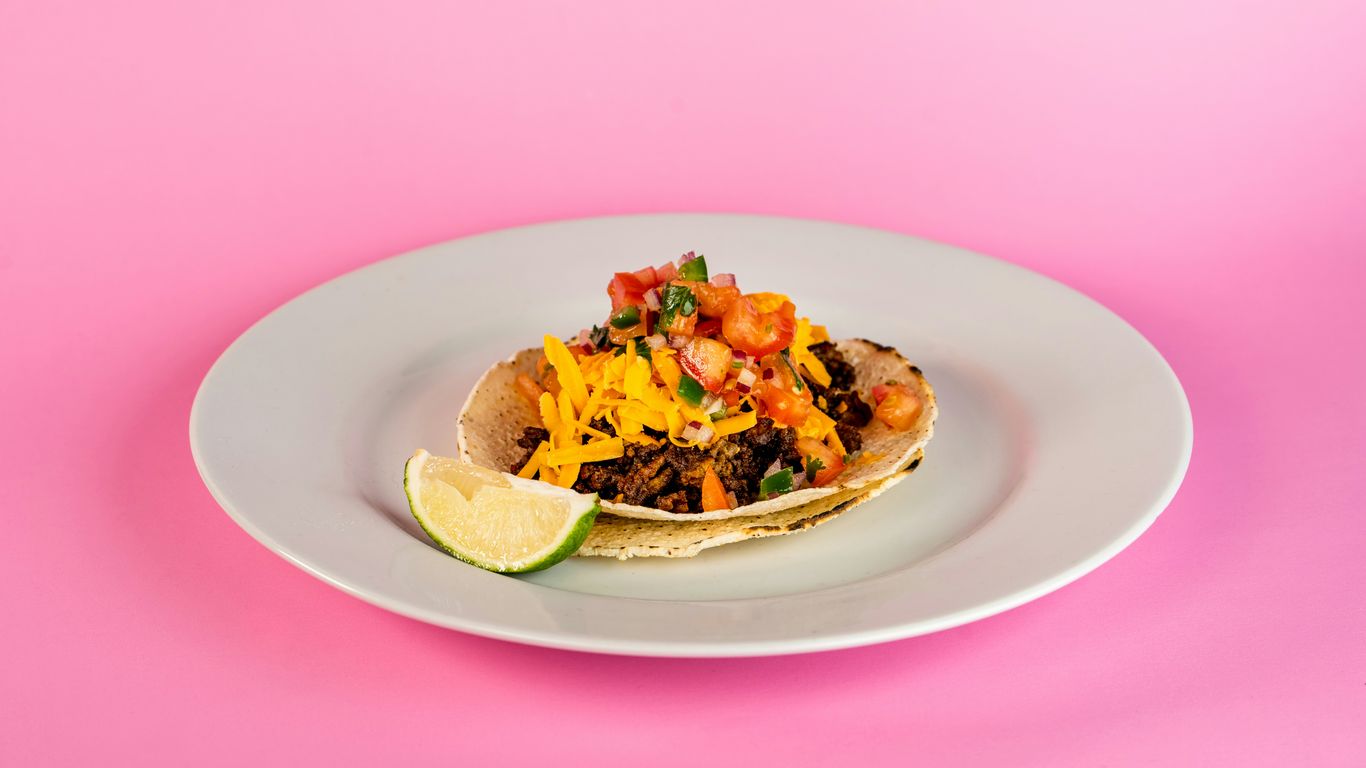
SeeDish can help you compare photographed dishes before you commit to a restaurant, especially when you already know whether you want something light, cheesy, spicy, or filling. Looking at the menu first is often the fastest way to avoid ordering three tacos that all have the same texture.
The most useful breakfast-taco checklist is tortilla quality, egg texture, salsa, and balance. You want enough filling to make the taco satisfying, but not so much that the tortilla splits before the first bite. Pair it with coffee, agua fresca, or nothing at all; the taco can carry the morning.
3. Tex-Mex and queso
Tex-Mex is where you go when you want a generous, communal meal with plenty of melted cheese, warm tortillas, rice, beans, and salsa. Queso is the obvious starting point, but it should lead into the meal rather than replace it. Scoop it with chips, then save room for enchiladas, fajitas, tacos, or a combination plate.
Good queso has a smooth, spoonable texture and enough chile or spice to keep each bite lively. You can add guacamole for freshness, but do not overlook beans and rice: when they are seasoned well, they make a plate feel complete instead of merely large. This is also one of Austin’s easiest cuisines for groups because everyone can order differently.
If you are deciding between a quick counter meal and a slower sit-down dinner, think about the occasion first. Fajitas reward a table and some patience, while tacos and enchiladas work better when you want a focused meal. Margaritas, Mexican beer, or a cold soft drink can make the whole spread feel more balanced.
Queso-heavy meals are best approached with a little discipline. Share the starter, pick one main direction, and use salsa, lime, or pickled vegetables to cut through the richness. You will enjoy the meal more than if you treat the table like an all-you-can-eat challenge.
4. Brisket tacos and smoked-meat creations
Austin’s barbecue influence does not stop at the tray. Brisket tacos, smoked-meat sandwiches, barbecue nachos, and creative plates turn slow-smoked meat into something more portable and playful. These dishes work because smoke brings depth while tortillas, slaw, salsa, or pickles add acidity and crunch.
A brisket taco should still taste like brisket, not just sauce. Look for slices or chopped meat with visible bark, a soft tortilla, and toppings that support rather than bury the smoke. If you prefer a lighter order, one taco alongside a vegetable or bean side can be more satisfying than a large sandwich.
Smoked-meat creations are especially useful when your group cannot agree on a single style of meal. One person can choose a taco, another a sandwich, and someone else a plate, while everyone still shares the same smoky foundation. The result feels distinctly Austin without requiring a full afternoon at a barbecue counter.
When you browse menus, pay attention to the details around the meat. Pickled onions, fresh herbs, slaw, and chile-forward sauces usually signal a dish with contrast. A rich filling needs something crisp or bright beside it, and that small bit of balance often separates a memorable taco from a heavy one.
5. Austin-style burgers
Austin burgers range from straightforward cheeseburgers to tall, messy stacks with jalapeños, bacon, special sauce, and crisp toppings. The strongest versions still have a clear center: a properly seasoned patty, a bun that can handle the juices, and cheese that melts into the edges. You should be able to taste the beef even after the toppings arrive.
Choose your burger based on appetite and logistics. A double patty is a commitment, while a single cheeseburger with fries can be the better afternoon meal, especially if you are walking around afterward. If the menu offers a chile, mushroom, or vegetarian option, consider it when you want a different texture rather than simply more food.
The burger is also a useful test of a neighborhood’s personality. A counter-service version feels right for a casual stop, while a restaurant burger may come with better seating, cocktails, or a broader menu for a group. Either way, order it hot and eat it promptly; a burger rarely improves while waiting.
For a quick comparison, focus on bun, patty, and topping balance instead of chasing the tallest stack. A balanced burger eats better than one built only for photographs. Crisp fries, a cold drink, and a little patience with the first messy bite complete the experience.
6. Food trucks and trailer parks
Food trucks are part of Austin’s everyday dining grammar, not merely a novelty for visitors. You will find tacos, sandwiches, noodles, sweets, barbecue, and plant-based meals served from compact kitchens where the menu often stays focused. Trailer parks and food-truck courts make it easier for groups to split up, order different dishes, and regroup at a shared table.
Before you leave, check hours and the day’s menu when possible. A truck may sell out, move for an event, or keep a narrower schedule than a full-service restaurant. Bring a little flexibility, because the reward is often a highly specific dish made by a small operation with a clear point of view.
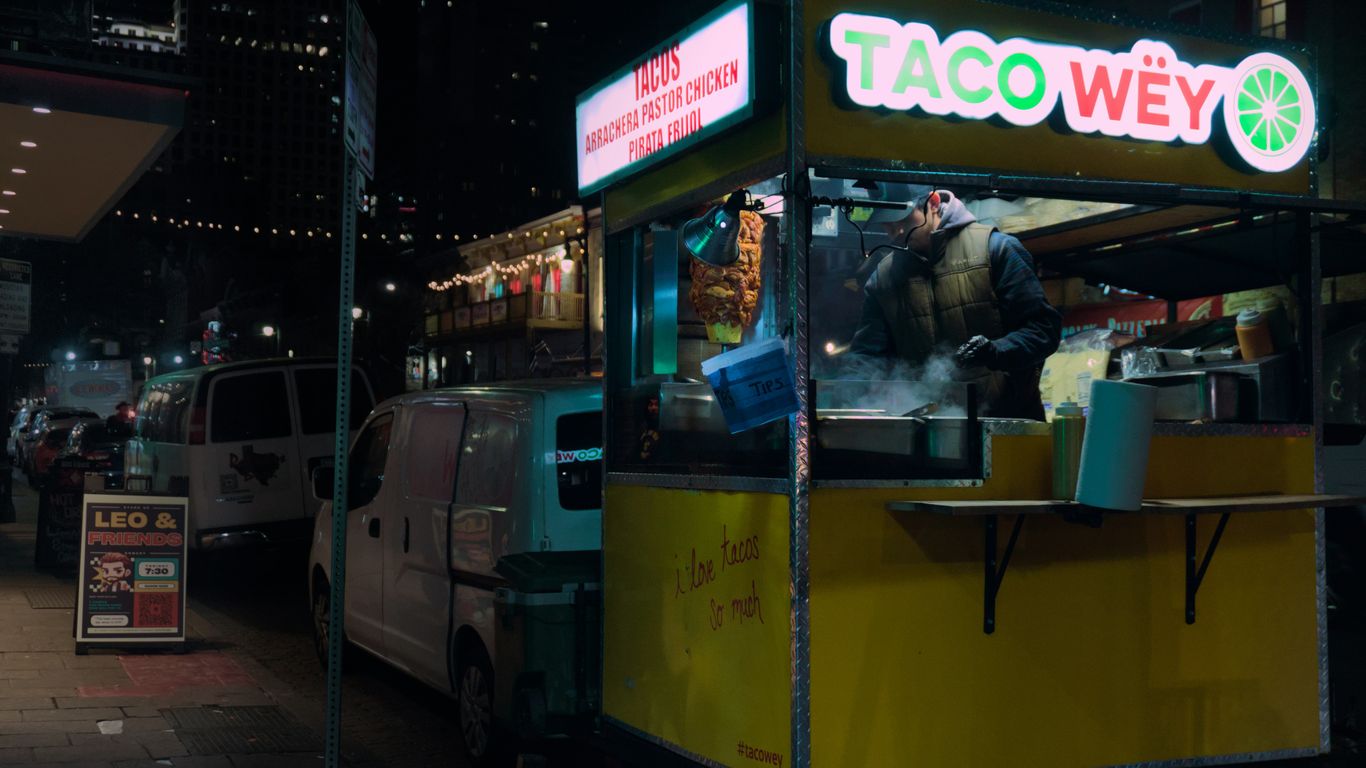
A few habits make a truck crawl smoother:
- Start with one signature item instead of ordering the entire menu.
- Carry water and expect limited indoor seating.
- Check whether the truck takes cards before you order.
- Share dishes so you can try more than one kitchen.
That approach keeps the outing relaxed and leaves room for a second stop. SeeDish is useful when you want to browse dishes visually before deciding which craving to follow, rather than wandering from truck to truck without a plan.
Trailer dining also rewards attention to texture. A fried taco, crisp sandwich, or saucy bowl changes quickly once it sits, so eat close to the window if you can. The best food-truck meals tend to be casual, immediate, and just a little improvised.
7. East Austin dining
East Austin is a strong choice when you want a neighborhood with variety, energy, and plenty of reasons to keep walking after dinner. You can move from tacos to comfort food, global flavors, cocktails, or dessert without making the evening feel overplanned. The area works for both a quick meal and a longer night out.
Think about your group before choosing a table. Some spots are ideal for sharing, while others make more sense when everyone orders a single dish at the counter. If you are meeting friends, pick a place with menu range so a vegetarian diner, a spice lover, and a cautious eater can all find something appealing.
East Austin also rewards a loose itinerary. Start with a savory dish, pause for a drink or a walk, and decide later whether dessert is necessary. You do not need to chase every destination in one night; a short route with one excellent meal usually feels better than a rushed checklist.
For more planning ideas, a local dining guide can help you match atmosphere and occasion to the neighborhood. Use that context alongside the menu itself, because a beautiful room cannot rescue a dish that does not fit what you actually want to eat.
8. South Congress restaurants
South Congress is an easy area for visitors because food, shopping, music, and long walks sit close together. You can build a day around breakfast, return for tacos or a burger, and finish with coffee or dessert without crossing the whole city. The neighborhood is lively, but timing still matters if you want a relaxed table.
Choose your stop according to the pace of the day. A counter-service lunch keeps you moving, while a patio or dining room makes sense when the meal is part of the occasion. Portions can vary widely, so scan the menu before sitting down if you are trying to keep the meal light or save space for another stop.
This local Austin restaurant guide can give you another perspective when you are comparing memorable meals and atmosphere. For South Congress specifically, the most useful question is not simply where to eat, but what kind of afternoon you want: quick and casual, social and lingering, or centered on one destination.
Walkability makes South Congress especially good for visitors who want to sample the city without a strict schedule. Start with one planned meal, leave room for an impulse stop, and keep your expectations flexible when a popular place is busy. The neighborhood is more enjoyable when you treat it as a sequence of small decisions.
9. Vegan and vegetarian food
Austin’s plant-based dining is much broader than a salad and a side of fries. You can find vegetable-forward tacos, grain bowls, meatless burgers, curries, creative sandwiches, and dishes built around beans, mushrooms, tofu, or roasted vegetables. The best meals use contrast—crisp and creamy, spicy and cooling, rich and acidic—so they feel complete without relying on meat.
When you scan a menu, look for a substantial protein or a satisfying base. Beans, lentils, tofu, tempeh, nuts, and grains can turn a light-sounding dish into a proper meal. If you are dining with mixed dietary preferences, choose a restaurant with flexible plates that can be shared rather than forcing everyone into separate orders.
Vegetarian diners should also ask about preparation when it matters. A dish described as plant-based may still share a grill, fryer, or sauce with other ingredients, while a kitchen may be able to adjust toppings or spice. Clear questions are easier when you ask before ordering, especially during a busy service.
The city’s plant-based options fit every kind of outing, from a fast lunch to a celebratory dinner. Choose based on texture and appetite, not on the assumption that meatless food should be lighter. A well-built vegetable plate can be smoky, crispy, saucy, and deeply filling.
10. Desserts, coffee, and local drinks
A good Austin food day deserves a final stop that is not another heavy entrée. Coffee shops, bakeries, frozen custard counters, cocktail bars, and casual dessert windows give you plenty of ways to finish. Look for something cold after barbecue, something bright after Tex-Mex, or a strong coffee when you still have a long walk ahead.
Dessert is also where you can slow down and compare textures. A crisp pastry, creamy frozen treat, fruit-forward cake, or chocolate-rich bite each creates a different ending. If you are sharing, order two smaller items rather than one oversized dessert so everyone gets a say.
SeeDish lets you browse photographed menu items when you want to choose the final course visually, whether that means a slice of cake, a frozen dessert, or a drink to take with you. Seeing the portion and presentation can be especially helpful when you are already full and want just the right amount.
Local drinks add another layer to the city’s food culture. Try coffee in the morning, a refreshing nonalcoholic drink with lunch, or a carefully made cocktail in the evening. The best finish is the one that matches your energy: sweet and celebratory, cool and casual, or simple enough to carry on with the night.
Plan Your Next Bite
When you know what sounds good, find your next meal by browsing Austin dishes and restaurants before you head out. Seeing the menu first can make the choice easier without taking away the fun of exploring.
Conclusion
Austin’s food scene is at its best when you follow a craving and stay open to the setting around it. Start with barbecue, tacos, queso, or a burger, then make room for neighborhoods, food trucks, plant-based plates, coffee, and dessert—the details that turn a meal into a day worth remembering.
Frequently Asked Questions
What food is Austin best known for?
Austin is best known for Central Texas barbecue, especially smoked brisket, along with breakfast tacos, Tex-Mex, queso, and creative tacos.
Where should you start if you have one meal in Austin?
Choose based on your strongest craving. Brisket gives you a classic Austin experience, while breakfast tacos or Tex-Mex are easier to fit into a shorter schedule.
Are breakfast tacos available all day?
Some restaurants serve breakfast tacos beyond the morning, but hours and menus vary. Check the current menu and service times before making a special trip.
What should you order at a barbecue restaurant?
Start with brisket, then add one contrasting item such as pork ribs or sausage. Pickles, onions, bread, and a couple of sides help balance the richness.
Is Austin good for vegetarian diners?
Yes. You can find vegetable-forward tacos, bowls, burgers, curries, sandwiches, and other filling meals across the city, from casual counters to full-service restaurants.
Are food trucks open every day?
Not always. Food trucks may keep limited schedules, move locations, or sell out of popular dishes, so checking hours and current updates is wise.
What is a good Austin dessert after a heavy meal?
A small frozen dessert, fruit-forward pastry, or coffee-based treat can finish a rich meal without feeling too heavy. Sharing lets you try more than one option.