Key Takeaways
Austin rewards you for choosing a meal by mood, appetite, and time—not just by neighborhood or reputation.
- Franklin Barbecue is the classic stop for Central Texas smoked meat.
- Uchi, Suerte, Barley Swine, and Olamaie suit more polished dinners.
- Kemuri Tatsu-ya and Loro bring Asian influences into Texas cooking.
- Nixta Taqueria and Veracruz All Natural are strong taco choices.
- Birdie’s offers a relaxed, seasonal neighborhood meal.
1. Franklin Barbecue for legendary Central Texas barbecue
If you want one meal that explains Austin barbecue, Franklin Barbecue is the obvious place to start. The experience centers on Central Texas technique: smoke, salt, time, and meat served simply enough for the brisket to speak for itself. Expect a wait-centered outing, so plan around the meal rather than trying to squeeze it between other plans.
Brisket is the main event, with a dark peppery bark and a tender interior that should hold together without feeling dry. Ribs and sausage round out the tray, while classic sides give you a break from the richness. You will enjoy it most when you arrive hungry and resist over-ordering before you know how generous the portions feel.
The setting is casual, but the meal can still be a destination for visitors or a special Austin food memory for locals. Check the current service details before you go, then think about whether you want to eat nearby or carry the food elsewhere. For a broader look at Austin staples, this Austin dining guide is a useful companion to a barbecue-focused itinerary.
2. Uchi for elevated Japanese dining
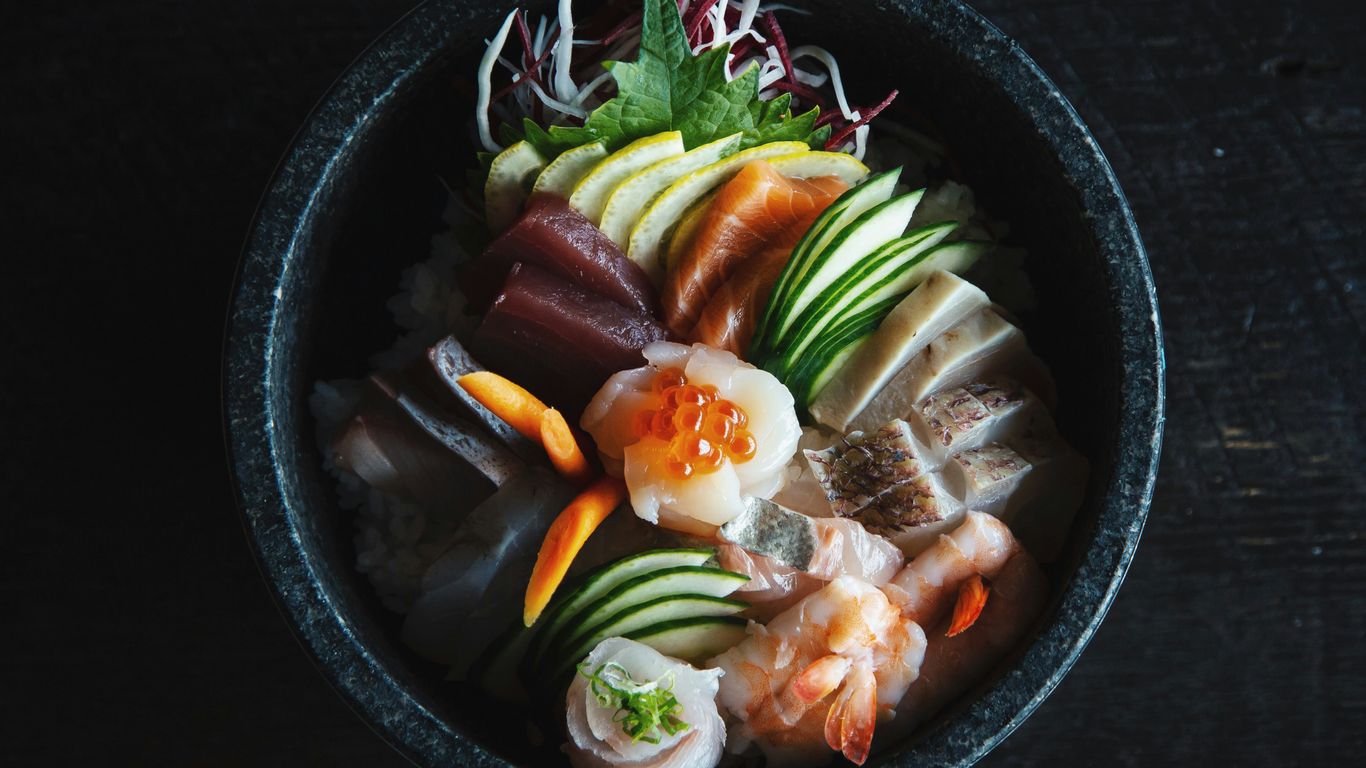
Uchi is a strong choice when you want Japanese dining with a polished, composed feel. Rather than treating sushi as a quick meal, you can approach the menu as a sequence of textures, temperatures, and carefully balanced flavors. It works especially well for a date, a celebration, or an evening when you want to linger over several small plates.
Start with a few pieces or composed dishes, then add something cooked so the meal has contrast. Raw preparations tend to reward attention to texture and seasoning, while warm plates make the experience feel more complete. If you are dining with someone who is unsure about sushi, sharing a mix of familiar and adventurous dishes is an easy way to keep the table comfortable.
You can use SeeDish to browse Austin menus visually before deciding whether this is the right kind of dinner for your group. Seeing dish photos can help you compare portion styles and choose a restaurant with greater confidence, particularly when you are planning around a craving rather than a specific address. Make a reservation when possible, and leave room to order gradually instead of committing to everything at once.
3. Suerte for modern Mexican cuisine
Suerte is the kind of restaurant to choose when you want Mexican cooking interpreted with a distinctly Austin sense of place. The menu is masa-forward and modern, with dishes that can feel familiar in outline while becoming more layered through technique and seasonal ingredients. It suits a dinner where you want to share, compare, and talk through what arrives at the table.
Masa-based dishes deserve your attention, especially if you enjoy earthy corn flavor, crisp edges, and sauces with real depth. Order a few things for the center of the table rather than building a conventional entrée-and-side meal. That approach lets you move between rich, bright, smoky, and spicy flavors without making the whole dinner feel heavy.
Suerte is also a good pick when your group has different appetites. You can keep the meal small with a couple of shared plates or expand it into a longer dinner with drinks and dessert. Look at the current menu before you go, since seasonal changes can shift the balance of dishes and make one visit feel different from the next.
4. Barley Swine for an inventive tasting menu
Barley Swine is a destination for diners who prefer a meal with a clear point of view. Its tasting-menu format gives the kitchen room to build an arc rather than asking you to choose one large entrée. You should arrive ready to let the courses set the pace and to spend a few hours paying attention to small details.
The appeal is the steady change from one bite to the next: crisp against creamy, bright against savory, and delicate preparations beside deeper flavors. A tasting menu can be a rewarding choice when you are celebrating or simply want to try ideas you would not assemble for yourself. It is less suited to a rushed evening or a guest who wants complete control over every plate.
A simple way to think about the experience is to match it to the occasion and your preferred pace:
| Dining priority | Why Barley Swine may fit | What to keep in mind |
|---|---|---|
| Celebration | A structured, memorable evening | Allow plenty of time |
| Curiosity | Many courses and changing techniques | Expect surprises |
| Conversation | A meal with natural pauses | Keep the schedule relaxed |
| Dietary planning | A chance to discuss needs in advance | Ask when booking |
That framework helps you decide whether the restaurant fits your night before you commit. Read the current reservation information carefully, communicate dietary needs ahead of time, and treat the tasting menu as the evening’s main event rather than one stop among many.
5. Olamaie for refined Southern cooking
Olamaie offers a more formal expression of Southern cooking without losing sight of comfort and generosity. You can expect familiar regional ideas to appear with careful technique, thoughtful presentation, and enough restraint to keep the meal from feeling predictable. It is a natural choice for a polished dinner that still feels connected to the South.
The best way to approach the menu is with curiosity about ingredients you already know. Corn, vegetables, seafood, and grains can all become more interesting when their texture and seasoning are handled precisely. Share a few starters if you want to understand the kitchen’s range, then choose a main that matches how substantial you want the evening to be.
Olamaie works well for visitors who want more than a casual introduction to Austin food, as well as locals planning a meaningful night out. Service and pacing matter here, so avoid stacking the reservation too tightly against a show or event. A little extra time lets you enjoy the room, the conversation, and the meal in the order they arrive.
6. Kemuri Tatsu-ya for Texas-Japanese barbecue
Kemuri Tatsu-ya brings Texas barbecue and Japanese flavors into the same conversation. It is a smart pick when you want smoke and richness but also want ingredients, sauces, or small plates that pull the meal in a different direction. The result feels playful without turning the barbecue into a gimmick.
You can make the meal more collaborative by ordering several dishes for the table. Smoked meat gives you a sturdy center, while Japanese-inspired accompaniments add acidity, spice, and contrast. This is particularly enjoyable for groups who like comparing bites and building combinations instead of guarding separate entrées.
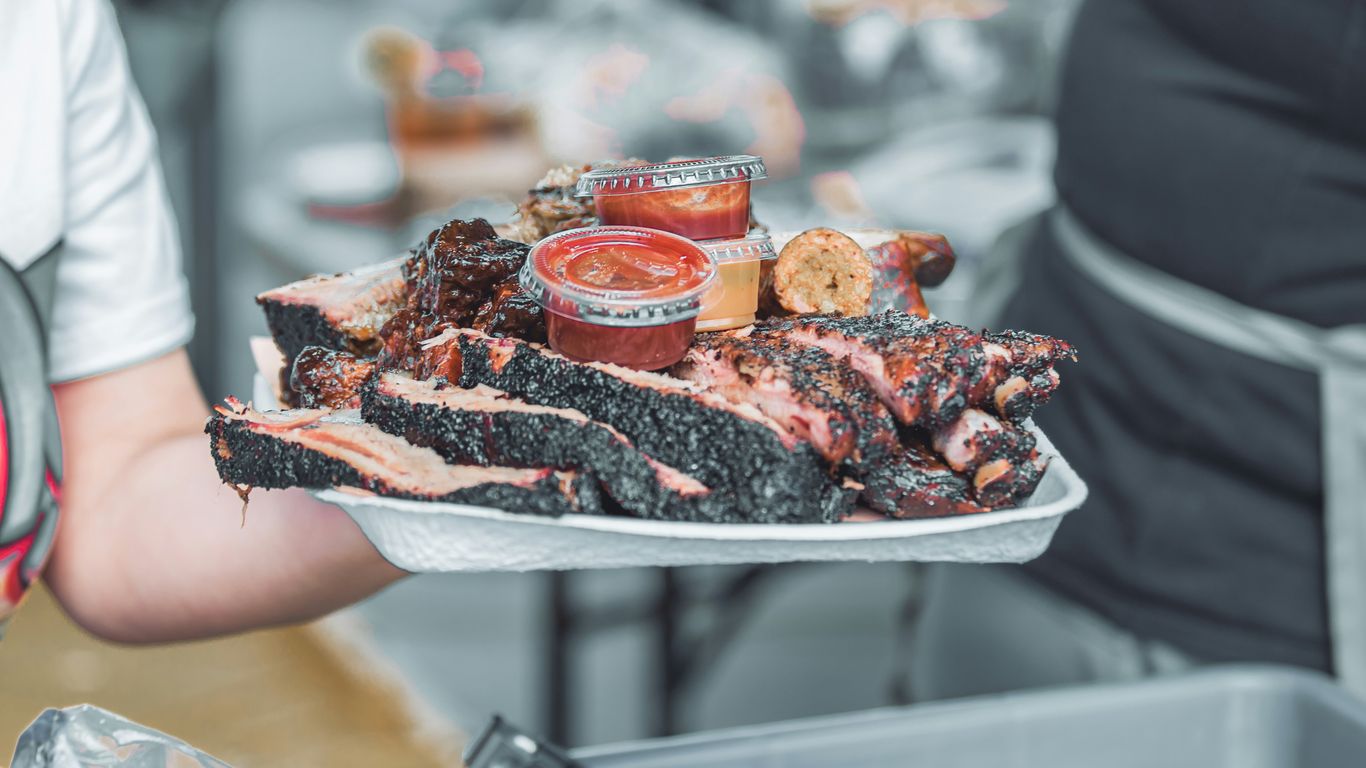
SeeDish can help you look at photographed dishes before you decide how much to order. That is useful here because a visual sense of portion size can make sharing easier, especially when you are balancing rich barbecue with lighter or sharper sides. Bring an appetite, but leave enough flexibility to add another dish once you see what the table actually needs.
7. Loro for casual Asian smokehouse fare
Loro is a relaxed option when you want the flavor of smoked meat without the ceremony of a traditional barbecue outing. Its food draws from Asian and Texas influences, so the meal can move between smoky, tangy, spicy, and fresh. The atmosphere makes it easier to bring a group, order broadly, and keep the evening informal.
Think of Loro as a place for combinations rather than a single signature plate. A smoked item can anchor the order, while vegetables, rice, or bright sauces keep the meal from becoming one-note. You can also choose it when your table includes people with different preferences, since the menu tends to support both substantial and lighter choices.
The casual setting is part of the appeal, but you should still check the current menu before visiting if you have a particular craving. For a wider local perspective on neighborhoods, atmosphere, and restaurant style, this local dining guide can help you build a fuller Austin food plan. Loro fits best when you want good food, an easy table, and no need to treat dinner like a formal occasion.
8. Nixta Taqueria for creative tacos and masa dishes
Nixta Taqueria is a good answer when you want tacos that begin with masa but do not stop at the expected combinations. The cooking feels creative and contemporary, with enough attention to texture and seasoning that each taco can stand on its own. It is a particularly fun choice when you want to try something different without committing to a long tasting menu.
Order a mix if you are new to the restaurant. One taco may offer crispness and richness, while another brings vegetables, acidity, or a more pronounced chile profile. Masa dishes are at their best when you pay attention to the tortilla itself, so do not treat it as a neutral wrapper; it is part of the flavor and structure of the meal.
The restaurant works for a casual lunch, an unfussy dinner, or a food-focused stop while exploring East Austin. Portions and availability can change, so arrive with a little flexibility rather than a rigid checklist. If tacos are your starting point, you can also compare photographed options through this guide to the best tacos in Austin before choosing your next stop.
9. Birdie’s for seasonal neighborhood dining
Birdie’s is the kind of place to choose when you want a neighborhood meal with seasonal thinking and a relaxed personality. The food feels considered without asking you to dress up or treat the evening like an occasion. It is a comfortable middle ground between a quick bite and a formal night out.
Seasonal cooking means the most appealing order may change with the weather and the current supply of ingredients. Look for a balance of vegetables, shared plates, and something more substantial, then let the table’s appetite guide the rest. You will get more from the experience if you allow the menu to be current rather than arriving with one fixed dish in mind.
Birdie’s is especially appealing for a low-pressure date, a meal with a friend, or an evening when you want to feel like a regular somewhere. The neighborhood setting gives the restaurant a sense of ease, but popular service times can still fill up. Check hours and reservations before you go, and leave room for the meal to unfold at its own pace.
10. Veracruz All Natural for Austin-style tacos and breakfast tacos
Veracruz All Natural is a dependable choice when your idea of the best restaurants austin tx includes a great taco eaten without much ceremony. The menu is rooted in Austin’s taco culture, with breakfast tacos and other Mexican favorites that work for an early start, a quick lunch, or a casual meal. It is the kind of stop that can become part of your regular rotation rather than a one-time destination.
Breakfast tacos are the natural starting point, particularly when you want something warm, filling, and easy to customize around your appetite. You can keep the order simple or choose a combination with more texture and heat, then add another taco if you are still hungry. Because the format is casual, it is also easy to order differently from the person beside you and compare bites.
When you are choosing among Austin taco stops, these quick checks can save time:
- Decide whether you want breakfast tacos or a later-day taco.
- Check the current location, hours, and ordering setup.
- Browse photos if texture or portion size matters to you.
- Plan a second option if you are visiting during a busy window.
Those details matter more than they might seem, especially when you are coordinating a group or planning around a morning outing. SeeDish lets you explore photographed Austin dishes and compare what looks right before you leave the house. You can also browse menus when the choice is less about a famous name and more about finding the exact meal you want today.
Conclusion
Austin’s strongest dining experiences range from long barbecue lines and quick breakfast tacos to polished tasting menus and inventive masa cooking, so the right choice depends on your appetite, company, budget, and available time; choose the restaurant that fits tonight, then let the menu lead the rest of the evening.
Frequently Asked Questions
What kind of food is Austin best known for?
Austin is especially known for Central Texas barbecue, breakfast tacos, Tex-Mex and Mexican cooking, but its dining scene also includes strong Japanese, Southern, Asian-inspired, and seasonal neighborhood restaurants.
Which Austin restaurants are best for a special occasion?
For a special occasion, look for restaurants with a deliberate pace, reservation-friendly service, and a menu you will enjoy exploring. Tasting menus and polished Japanese or Southern restaurants often suit celebrations well.
Where should you go in Austin for breakfast tacos?
Breakfast tacos are widely available across Austin, from casual counters to food trucks and neighborhood restaurants. Check the current hours and menu before you go, since breakfast service can end earlier than expected.
How far ahead should you make an Austin restaurant reservation?
Reserve as early as you can for tasting menus, popular sushi restaurants, and weekend dinners. More casual taco and barbecue spots may not take traditional reservations, so arriving early or checking the ordering process can help.
What should you order at a barbecue restaurant?
Brisket is the classic starting point, followed by sausage or ribs if you want variety. Add a few sides, but remember that smoked meat is rich and portions can be larger than they appear when you are ordering at the counter.
Are Austin restaurants good for group dining?
Many Austin restaurants work well for groups, especially places built around shared plates, tacos, barbecue, or casual counter service. For a larger party, check seating policies and reserve ahead when the restaurant accepts bookings.
How do you choose between a casual and fine-dining restaurant?
Match the restaurant to your schedule and energy. Choose casual dining when you want flexibility and quick decisions; choose a more formal restaurant when you want a longer meal, attentive pacing, and a planned evening.