Key Takeaways
South Austin dining is easiest to navigate when you choose a neighborhood, occasion, and craving together. Use this guide to plan the right kind of meal, then compare dishes before you commit.
- South Congress, South Lamar, South First, and farther-south corridors each have a different dining rhythm.
- Barbecue, tacos, Tex-Mex, Southern food, and globally inspired cooking shape the area’s range.
- Reservations, parking, and weekend timing can make a noticeable difference.
- Breakfast tacos, burgers, shareable plates, desserts, and cocktails suit different kinds of outings.
- Budget, dietary needs, group size, and atmosphere should guide the final restaurant choice.
Understand South Austin’s dining neighborhoods
South Austin dining is less like one compact restaurant district and more like a collection of connected corridors. South Congress brings recognizable Austin energy, while South Lamar and South First feel more neighborhood-oriented in different ways. Farther south, the pace generally becomes more relaxed and practical. For a wider look at the area’s main streets, browse this local dining guide alongside the notes below.
South Congress for iconic spots and casual bites
South Congress is a strong starting point if you want a walkable-feeling outing with food, coffee, drinks, and plenty to look at between stops. The corridor works well for a casual lunch, an early dinner, or a visitor-friendly afternoon that does not depend on a single reservation. Expect a mix of polished dining rooms, quick counter service, bakery stops, and places where the atmosphere is part of the appeal.
Because menus and wait times can vary, it helps to decide whether you want a full meal or a few small stops before arriving. A coffee and pastry may be enough in the morning, while dinner plans usually benefit from checking availability in advance.
South Lamar for restaurants, bars, and nightlife
South Lamar suits diners who want to make an evening of it. Restaurants here can flow naturally into bars, patios, and other late-evening stops, so it is a useful corridor for dates and small groups. The area also makes it easier to compare very different moods, from a quick burger to a slower meal built around several courses.
For visitors, South Lamar is a good place to leave some flexibility in the schedule. Choose the restaurant first if you have a strong craving, but keep a second option in mind if the first dining room is full.
The area around South First for local character
South First has a distinctly local-feeling mix of restaurants, cafés, bars, and independent businesses. It is a natural fit for diners who prefer a less formal route through the city and want to combine food with a neighborhood walk. Menus often reward curiosity, especially when seasonal ingredients or small plates make it possible to try several flavors.
A little planning goes a long way here. Look at the menu before you arrive, identify one or two dishes that genuinely appeal to you, and let the rest of the meal develop around them.
Farther south for relaxed, family-friendly dining
The farther-south parts of the area tend to work well when convenience, parking, and room for a group matter as much as atmosphere. Families can often plan around earlier dinner times, while larger parties may appreciate broader menus and a more casual pace. This is also a useful direction when you want to avoid making a central corridor the entire focus of the outing.
Check hours and service details before driving over, particularly on holidays or for restaurants with changing schedules. A quick menu check can also prevent a hungry group from arriving somewhere that does not suit everyone.
Choose the right South Austin restaurant for your occasion
The best South Austin restaurant depends on what you need the meal to do. A date calls for a different room and pace than a quick lunch, while a birthday group needs menu flexibility and reliable logistics. Decide on the occasion before you start comparing restaurants, then narrow the choice by dishes and atmosphere.
Date-night restaurants with atmosphere
For a date, pay attention to lighting, seating distance, noise, and whether the menu encourages lingering. A compact small-plate menu can be more conversational than a rushed entrée format, while a thoughtful cocktail or wine list can give the evening a natural second act. Outdoor seating is appealing in good weather, but ask about heat, shade, and noise before treating it as the better option.
If you already know the kind of dish you want, SeeDish helps you browse Austin restaurants and view menus visually before choosing where to eat. That approach is especially useful when the food itself is part of the date-night plan.
Casual places for lunch and quick meals
Lunch works best when the restaurant matches the amount of time you actually have. Counter service, sandwiches, tacos, bowls, and burgers can keep the meal moving, while a full-service restaurant may be better when you have an open afternoon. Look for portion size and ordering style rather than relying only on the restaurant’s overall reputation.
A visual menu can make a quick decision easier: you can spot a crisp sandwich, a saucy taco plate, or a lighter bowl before committing to a detour. It also helps when two people want entirely different kinds of lunch.
Group-friendly dining with flexible menus
Groups need more than enough seats. Look for menus that include several price points, shareable starters, vegetarian choices, and dishes that arrive at a reasonable pace. A restaurant with easy ordering and clear portions can keep a mixed group from spending the entire meal negotiating.
For a group of friends, decide whether everyone wants to share or order individually before picking the restaurant. Family-style ordering can be fun, but only when the menu has enough variety to support it.
Restaurants suited to celebrations and special events
Celebrations benefit from a little more structure: reservations, a clear arrival time, and a menu that feels distinct from an ordinary weeknight meal. Consider whether the restaurant can handle a cake, dietary requests, separate checks, or a longer table without creating stress. A memorable setting does not have to be formal, but it should fit the people attending.
This quick comparison can help turn a vague plan into a practical one. Treat it as a starting point, then confirm current details directly with the restaurant.
| Occasion | Look for | Menu approach |
|---|---|---|
| Date night | Atmosphere and a comfortable pace | Small plates, cocktails, or a focused dinner |
| Quick lunch | Fast service and predictable portions | Tacos, sandwiches, bowls, or burgers |
| Group meal | Seating, variety, and shareable options | Broad menu with flexible ordering |
| Celebration | Reservations and a distinctive setting | Special dishes, drinks, or a paced meal |
The right choice is the one that supports the actual plan, not simply the restaurant with the most talked-about dish. Once the logistics fit, the food becomes easier to enjoy.
Explore the cuisines that define South Austin dining
South Austin’s food culture is broad enough to support both classic cravings and more exploratory meals. Barbecue and tacos remain essential reference points, but they sit alongside Southern cooking, modern American plates, vegetarian menus, and flavors from around the world. In south austin dining, the best choice often starts with a specific texture or craving rather than a broad cuisine label.
Texas barbecue and smoked meats
Barbecue rewards patience and a clear sense of what you want from the plate. Brisket brings a rich, smoky bite with a tender center, while sausage, ribs, and pulled pork offer different textures and levels of richness. Sides matter too: beans, slaw, pickles, and bread can balance a heavy meat order.
If you are ordering for several people, combine a familiar favorite with one item you do not usually choose. Ask about portion sizes and availability, since popular cuts may sell through during busy service.
Tacos, Tex-Mex, and Mexican cuisine
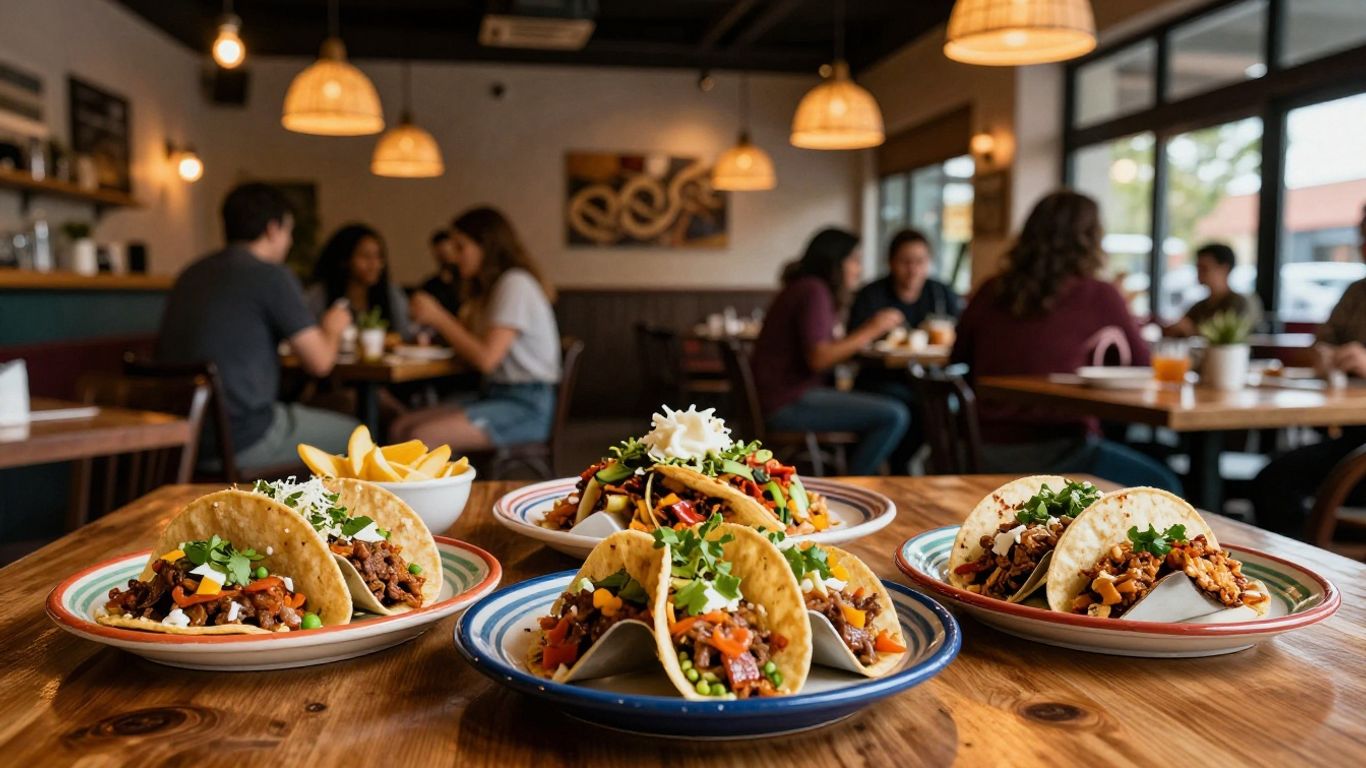
Tacos can be a quick breakfast, a casual lunch, or the foundation of a longer dinner. Compare tortillas, fillings, salsa heat, and whether the menu leans toward traditional combinations or more creative preparations. Tex-Mex brings its own pleasures, from queso and enchiladas to sizzling plates designed for sharing.
A good order usually has contrast: something crisp beside something saucy, a bright salsa beside a richer filling, or a lighter taco beside a more substantial one. Photos are useful here because texture and portion style are hard to judge from names alone.
Southern comfort food and modern American fare
Southern comfort food is at its best when familiar ingredients are handled with care. Fried chicken, biscuits, mac and cheese, greens, and seasonal vegetables can make a meal feel generous without requiring formal service. Modern American menus may take the same ingredients in a lighter or more seasonal direction.
Think about balance when ordering. One rich centerpiece can be enough if the table adds vegetables, salad, or a bright appetizer to keep the meal from feeling one-note.
Vegetarian, vegan, and globally inspired options
Vegetarian and vegan diners have more useful choices when the menu treats vegetables, grains, legumes, and sauces as the center of the meal rather than an afterthought. Globally inspired restaurants can also bring variety through spice, herbs, broths, noodles, curries, and dumplings. Ask about substitutions, but first look for dishes that are complete as written.
SeeDish is useful for comparing visual menus when a dietary preference is central to the decision. Seeing the actual dishes can help you judge whether a meal looks substantial, fresh, and appealing before you travel across town.
Plan a memorable meal from start to finish
A good restaurant choice can still become a frustrating outing if the timing and transportation are vague. South Austin corridors vary in parking, traffic, walkability, and weekend demand, so give the practical details a place in the plan. A few minutes of preparation can leave more attention for the meal itself.
When to make reservations
Reserve ahead for date nights, celebrations, larger groups, and restaurants with limited seating. For a casual meal, an early arrival may be enough, but do not assume that a weekday pattern will hold on a festival weekend or during a major event. If the restaurant accepts waitlist requests, joining before you leave can make the timing easier.
Keep the reservation time realistic. Build in traffic, parking, and the possibility that your group will need a few minutes to arrive and settle in.
How to handle parking and transportation
Parking plans depend heavily on the corridor and time of day. Read the restaurant’s current instructions, allow extra time near busy shopping and nightlife areas, and consider rideshare when drinks are part of the evening. If you are walking between stops, check the distance in advance rather than assuming nearby addresses feel close in hot weather.
For visitors staying near downtown, grouping stops by neighborhood can reduce unnecessary backtracking. Locals may prefer a restaurant that is slightly farther away if it makes the return trip simpler.
What to expect during busy weekend hours
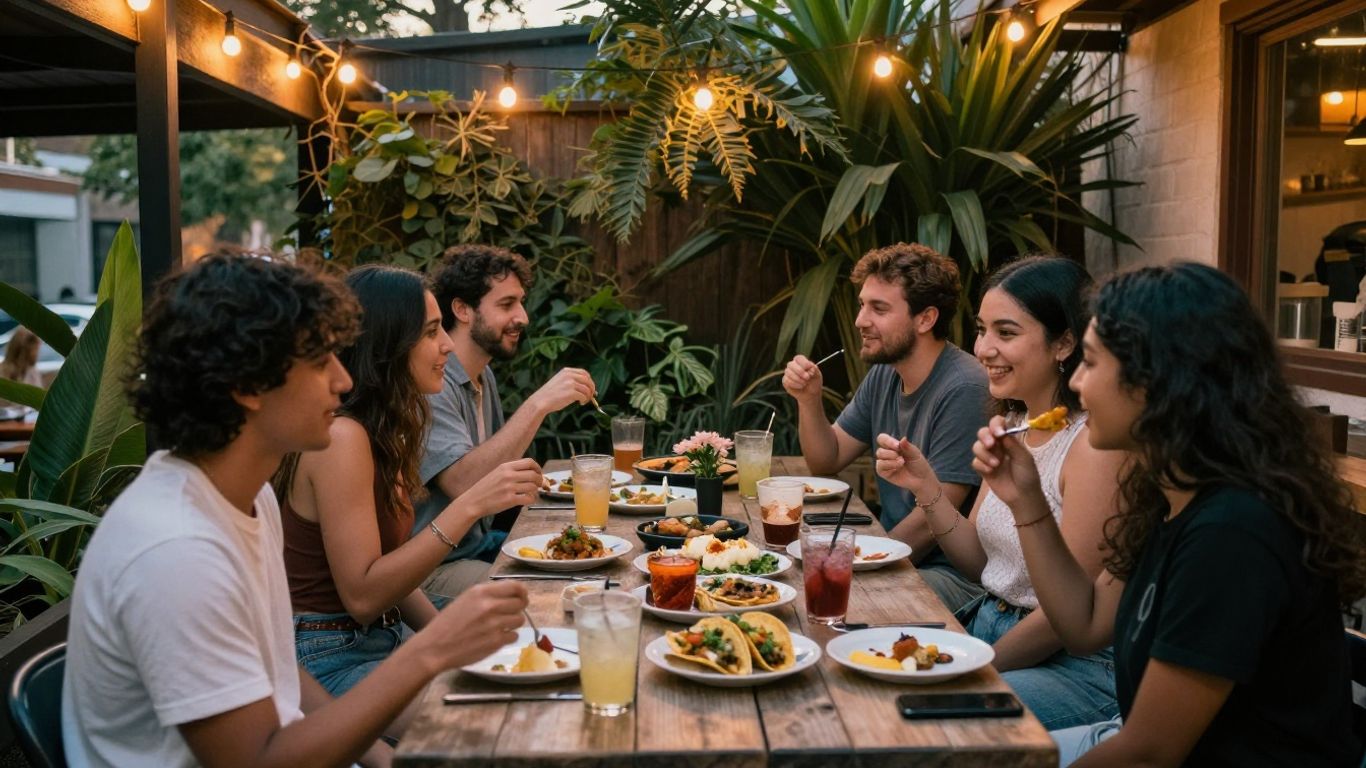
Weekend dinner often means fuller patios, longer waits, and popular dishes selling out earlier than expected. Arrive with a backup plan, especially if you are dining without a reservation. A nearby café, bar, or dessert stop can turn an unexpected wait into part of the evening instead of a dead end.
It is also worth checking the menu before you go. SeeDish lets diners see dishes before choosing where to eat, which can help you decide whether a restaurant is worth the wait for your particular craving.
Ways to build a multi-stop food itinerary
A multi-stop route works best when each stop has a clear role and the portions stay manageable. Start with coffee or a breakfast taco, choose one substantial savory stop, and leave room for something sweet or a drink later. Keep the route geographically compact so the day feels relaxed rather than like a series of drives.
A simple sequence might look like this:
- Begin with coffee and a light breakfast item.
- Choose one neighborhood for a savory lunch or early dinner.
- Add a short walk or patio break before the next stop.
- Finish with dessert, a cocktail, or a small late-night bite.
This structure leaves room to adjust when a line is longer than expected or a menu catches your attention. The best itinerary has a shape, but it does not need to be rigid.
Find standout dishes and local specialties
Sometimes the easiest way to choose a restaurant is to name the dish first. Austin diners may be searching for a smoky brisket plate, a crisp taco, a juicy burger, or a pastry with a flaky center rather than a particular address. Search by the food you want, then compare location, price, and setting.
Breakfast tacos and coffee to start the day
Breakfast tacos are an efficient introduction to South Austin: warm tortillas, eggs, potatoes, beans, cheese, and a choice of meat can make a small meal surprisingly filling. Add salsa carefully if you are sensitive to heat, since a bright, fresh salsa can still carry plenty of chile. Coffee and pastries offer a gentler route when you want to start slowly.
For an early outing, check opening times before leaving. A breakfast destination may have a narrow service window or sell out of popular baked goods.
Burgers, sandwiches, and easygoing comfort food
A good burger is about the relationship between the bun, patty, toppings, and sauce. Look for clues about whether it is thin and crisp-edged or thick and juicy, then choose sides that add contrast rather than more heaviness. Sandwiches can offer the same comfort with a little more range, especially when pickles, slaw, herbs, or spicy sauces cut through a rich filling.
These dishes are reliable choices for casual meals because they travel well between different dining preferences. They are also easy to compare visually when you want to see the portion before ordering.
Shareable plates, appetizers, and happy-hour bites
Shareable food is useful when the group wants to sample rather than commit to one large entrée. Look for a mix of textures: something crunchy, something fresh, something savory, and one dish with enough substance to anchor the table. Happy-hour menus can make this format more affordable, but confirm the current timing and exclusions.
Do not over-order at the beginning. Start with two or three plates, see how quickly they disappear, and add another round only if the table still has room.
Desserts, cocktails, and late-night options
Dessert can change the rhythm of a meal, especially when a rich dinner needs a bright finish such as fruit, citrus, or a chilled preparation. Cocktails can extend a date or group outing, while late-night food is often best when it is salty, crisp, or easy to eat without ceremony. Consider these stops when planning the whole evening rather than treating them as afterthoughts.
A final menu check is useful because late-night service and dessert availability may differ from regular dinner hours. If the sweet dish is the real reason for the outing, make it part of the plan from the start.
Match your dining plans to your budget and preferences
South Austin has room for a quick inexpensive meal, an everyday restaurant dinner, and a special occasion worth planning around. Price is only one part of the decision; portion size, service time, location, and the number of dishes you want all affect value. Set a realistic range before you start browsing so the final choice feels comfortable.
Affordable meals for visitors and locals
Affordable dining does not have to mean settling for a narrow menu. Tacos, breakfast plates, sandwiches, bowls, and counter-service meals can provide strong flavor without turning lunch into a major expense. Sharing one appetizer or choosing a filling main instead of several extras can also keep the total manageable.
Visitors should look beyond the most famous corridors when budget is the priority. A short trip farther south may offer a more relaxed meal and fewer reasons to pay for atmosphere alone.
Mid-range restaurants for everyday dining
Mid-range restaurants are often the most flexible choice for everyday plans. They can support a weeknight dinner, a casual date, or a meal with visiting family without requiring extensive preparation. Look for menus with several portion sizes and enough variety to accommodate different appetites.
SeeDish helps people compare Austin restaurants by looking at the food before making the final choice. That can make a mid-range meal feel more intentional, especially when you are weighing two restaurants with similar prices.
Upscale experiences worth the splurge
A splurge feels worthwhile when the setting, cooking, service, and pacing work together. Seasonal ingredients, a carefully built tasting format, or a dining room suited to a milestone can justify spending more than usual. Still, check the menu in advance so the experience matches your expectations and appetite.
Consider whether you want one exceptional centerpiece or a longer meal with several courses. Both can be memorable, but they create very different evenings.
Dietary, accessibility, and family considerations
Dietary needs should be part of the initial search, not a last-minute question at the table. Review ingredient notes, ask about cross-contact when necessary, and confirm whether substitutions are actually available. Families may also want high chairs, earlier hours, quick service, and enough room for strollers or restless children.
Accessibility deserves the same practical attention. Check entrances, restrooms, seating, and parking details when they matter to your party, and call ahead if the online information is unclear. A little direct communication can prevent an avoidable problem.
Conclusion
South Austin dining becomes much easier when you begin with the meal you want rather than a random list of restaurants. Choose the corridor that fits your schedule, match the restaurant to the occasion, and use the menu to guide the final decision. Whether you are after tacos, barbecue, a relaxed family dinner, or a celebratory table, a little planning makes the city’s range feel inviting instead of overwhelming.
Frequently Asked Questions
What areas are considered South Austin?
South Austin commonly includes the dining corridors around South Congress, South Lamar, South First, and areas farther south toward Slaughter Lane. Boundaries can vary depending on who is describing the neighborhood.
What food is South Austin known for?
The area is known for Texas barbecue, tacos, Tex-Mex, Southern comfort food, burgers, breakfast tacos, and a wide range of international and plant-forward cooking.
Should I make reservations for South Austin restaurants?
Reservations are a good idea for celebrations, date nights, large groups, and popular weekend dinner times. Casual restaurants may work well with an early arrival or a waitlist.
What is a good South Austin meal for visitors?
Visitors often enjoy a meal that combines a recognizable Austin style, such as barbecue or breakfast tacos, with time to explore the surrounding corridor. Pick a neighborhood that also fits your plans for the rest of the day.
Where can I find affordable food in South Austin?
Look for breakfast tacos, tacos, sandwiches, bowls, counter-service meals, and casual restaurants. Eating a little earlier or traveling farther from the busiest corridors may also help control the total.
How can I choose a restaurant for a group?
Start with seating and reservation needs, then check for a broad menu, shareable dishes, vegetarian options, and clear portion sizes. A restaurant that accommodates different appetites will usually make the gathering smoother.
What should I check before visiting a restaurant?
Review current hours, menu availability, parking, reservations, dietary information, and accessibility details. These practical checks are especially helpful on weekends, holidays, and event nights.