Key Takeaways
Austin dining is easiest to navigate when you choose your neighborhood, cuisine, and occasion before you leave. Use this guide to narrow the city’s many possibilities without losing the fun of exploring.
- Downtown suits walkable dinners, drinks, and nightlife.
- East Austin is strong for food trucks, casual meals, and creative cooking.
- Barbecue, tacos, Tex-Mex, and global flavors define much of the city’s food scene.
- Reservations, parking, and peak hours can shape your experience.
- A visual menu helps you choose a dish before you commit to a restaurant.
Choose the right Austin neighborhood for your meal
The best restaurants in Austin TX are spread across distinct neighborhoods, and the setting often determines the kind of meal you will have. Downtown works well when you want dinner close to bars or a concert venue, while East Austin rewards a more casual, wander-and-snack approach. South Austin brings iconic streets and neighborhood character; North Austin offers a wider range of modern and international dining. Choose the area first, then refine by craving and budget.
Downtown Austin for walkable dining and nightlife
Downtown is a practical choice when you want to park once and make an evening of it. Around the central business district, Second Street, and the Warehouse District, you can move from a polished dinner to cocktails or live music without much driving. It is also convenient for hotel guests and visitors planning meals near major venues.
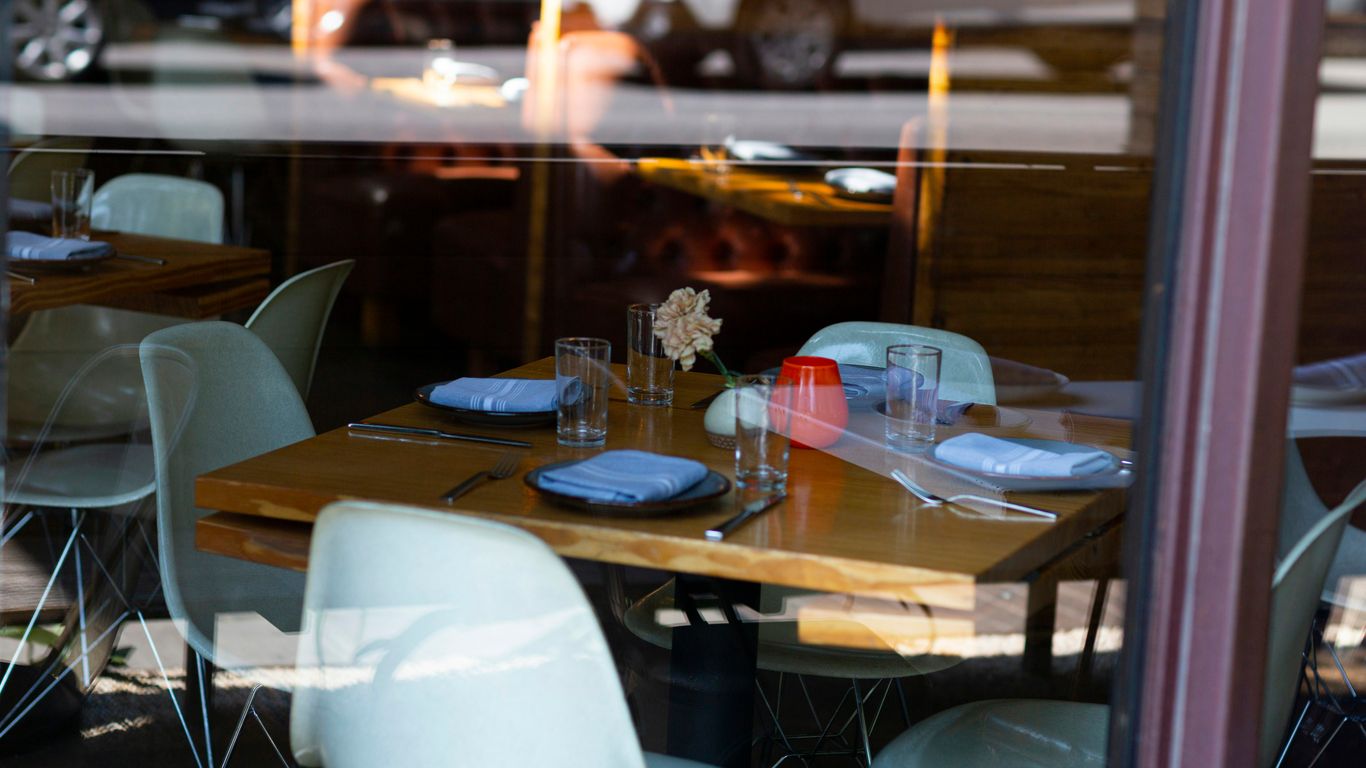
For a special downtown meal, look for a restaurant with a strong sense of place rather than choosing only by rating. Live-fire cooking, chef-led menus, and Texas ingredients all show up here; Hestia, for example, centers its cooking around a 20-foot hearth and offers both à la carte dining and a chef’s tasting menu. Book ahead when the restaurant is part of your evening’s main plan.
East Austin for creative restaurants and food trucks
East Austin is where you go when you want flexibility. You might begin with tacos from a trailer, continue to a sit-down meal on East Sixth, and finish with a drink nearby. The neighborhood’s restaurants tend to feel social and unfussy, with menus that move comfortably between Texas comfort food, Mexican cooking, Asian flavors, and vegetarian plates.
This is also a good area for groups with different appetites. A casual spot such as Industry Austin offers tacos, wings, shareable starters, and vegetarian options, making it easier to keep a mixed group happy. Arrive with a little patience on busy nights, since popular patios and small dining rooms can fill quickly.
South Congress and South Austin for iconic local spots
South Congress gives you a lively, walkable strip of shops, hotels, bars, and restaurants, while South Lamar and South First feel more neighborhood-oriented. You can find barbecue, tacos, Southern comfort food, pizza, and globally inspired plates within a short ride of one another. The area works especially well when you want to combine a meal with browsing, people-watching, or an afternoon outdoors.
If you are visiting, start with a South Austin restaurant guide before deciding where to eat. It helps you think beyond a single famous address and match the restaurant to your pace, whether you want a quick lunch, a date-night table, or a relaxed family meal. Check the current hours before heading out, particularly on Sundays and Mondays.
North Austin and the Domain for modern dining and international flavors
North Austin and the Domain are useful when you are staying outside the center, shopping, attending a business meeting, or meeting friends from several parts of the metro area. The dining mix includes contemporary restaurants, polished chains, Asian cuisines, Mediterranean food, steakhouses, and casual counters. Larger developments also make reservations and parking more predictable than they can be in older central districts.
This part of town is a good fit when convenience matters as much as atmosphere. Look for restaurants with broad menus if your party has different dietary needs, and allow extra time if you are crossing town during rush hour. A planned destination usually beats trying to improvise from the highway.
Explore the cuisines Austin does best
Austin’s food identity is bigger than barbecue, though smoked meat remains essential. You will also find breakfast tacos at nearly any hour, modern Mexican cooking, farm-driven plates, and global food shaped by the city’s diverse population. The right choice depends on whether you want one defining dish or a meal that keeps surprising you.
Texas barbecue and smoked meats
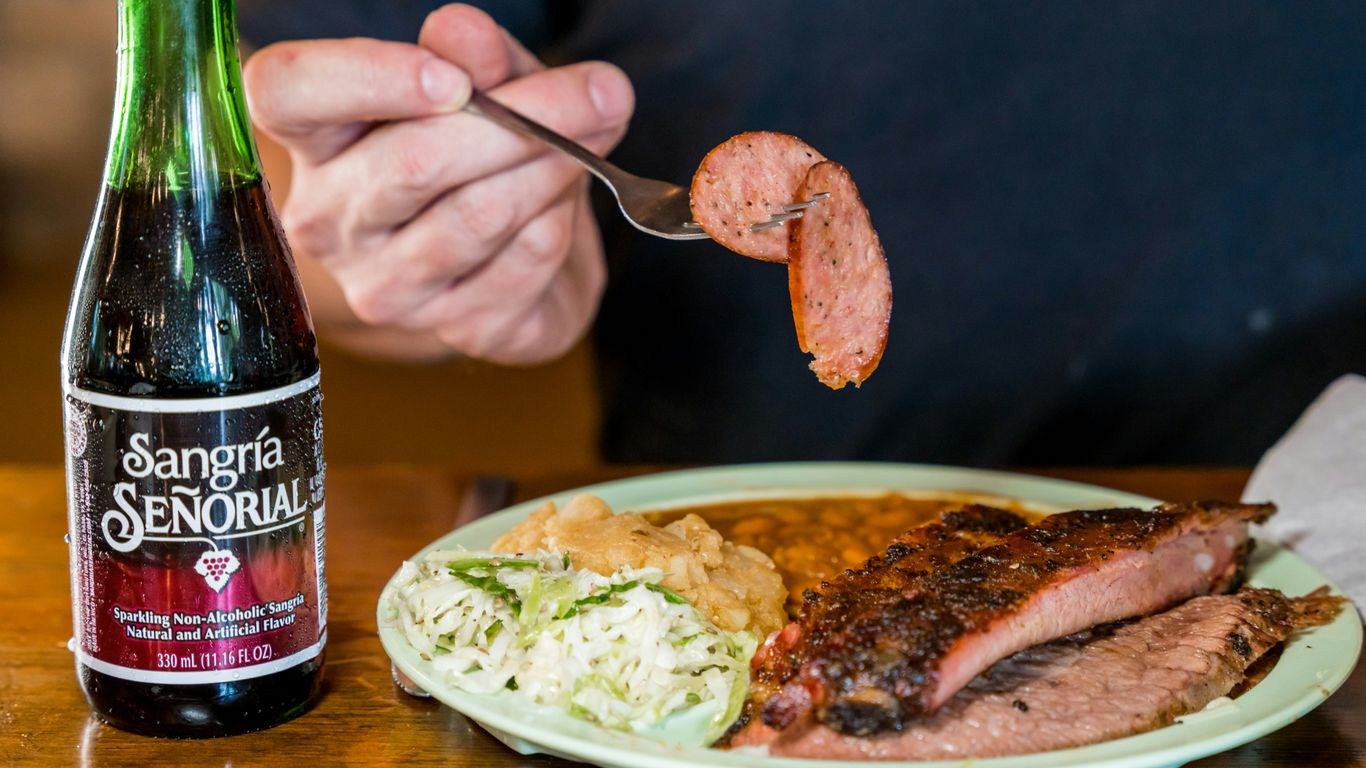
Barbecue is often a pilgrimage meal, so plan around the pitmaster’s schedule rather than assuming you can walk in at any time. Brisket, pork ribs, sausage, and turkey can sell at different rates, and the texture changes from lean slices to richly marbled ends. Arriving early is sensible for highly sought-after counters, while a seated barbecue restaurant may work better when you want a slower meal.
Order enough to compare textures, but do not overbuy on your first visit. Brisket is the benchmark for many diners, yet sausage or pork ribs may be the better choice if you prefer a firmer bite or heavier smoke. Add classic sides, then save room for a simple dessert if the menu has one.
Tex-Mex, tacos, and breakfast tacos
Tacos are one of Austin’s easiest ways to eat well without spending much time or money. Breakfast tacos are especially useful for early starts, with eggs, potatoes, beans, cheese, bacon, or sausage tucked into a flour tortilla. For lunch or dinner, compare grilled meats, crispy fillings, seafood, and vegetable-forward options rather than ordering the first taco you recognize.
If you have a precise craving, browsing a taco guide for Austin can save you from crossing town for the wrong style. Salsa heat varies widely, so ask before adding more, and remember that a small taco order can become a full meal when paired with queso, elote, or another shared side.
Farm-to-table Texas cooking
Farm-to-table cooking in Austin is less about a fixed cuisine than a way of building a menu. You may see local produce beside grains, Gulf seafood, ranch meats, or handmade pasta, with the offerings shifting as ingredients change. These restaurants are a strong choice when you like vegetables treated as a main event rather than a side dish.
Expect a menu that rewards curiosity. A server can usually explain which plates are lighter, richer, spicy, or best for sharing, and that guidance is useful when the menu changes frequently. If you want to compare the visual feel of dishes before choosing, see the food first rather than relying only on dish names.
Global cuisine from Austin’s diverse food scene
Austin’s international dining reaches far beyond a handful of familiar categories. You can build an evening around Japanese, Thai, Caribbean, Mediterranean, Chinese, Ethiopian, or Vietnamese flavors, often with Texas ingredients or local sensibilities in the mix. Small menus may be especially rewarding because they show what a kitchen does best.
For sushi, compare the style of the meal you want: rolls for sharing, nigiri for a focused dinner, or a tasting format for a longer experience. The city’s Austin dining guide is a useful starting point when you want more than one cuisine in the same research pass. Read recent menu details and confirm hours before making a special trip.
Vegetarian, vegan, and allergy-friendly dining
You do not need to treat dietary needs as an afterthought in Austin. Many restaurants offer plant-based mains, vegetable-heavy small plates, gluten-conscious choices, and clear substitutions, although cross-contact questions still require a conversation with the staff. Food trucks and casual counters can be particularly easy for quick, customizable meals.
When choosing for a group, check the menu for more than one satisfying option. A restaurant with a single token salad may not work for a vegan diner, while a place with bowls, tacos, roasted vegetables, or grain-based plates gives everyone room to choose. Call ahead for severe allergies and ask about preparation methods.
Find restaurants for every occasion
A restaurant can be excellent and still be wrong for the moment. A quick lunch needs speed and easy ordering; a date needs atmosphere and enough quiet to talk; a birthday may call for reservations and a menu built for sharing. Decide what the occasion needs before you compare dishes.
Casual restaurants for a quick local meal
For a short meal, prioritize counter service, a compact menu, and a location near your next stop. Tacos, sandwiches, bowls, barbecue plates, and food-truck specials often deliver more Austin character than a rushed formal lunch. If you are downtown, check walking distance; if you are east or south, confirm where parking and pickup happen before you arrive.
A visual menu can make a quick stop even quicker. SeeDish lets you explore Austin restaurants and browse menus visually, so you can compare likely dishes before sitting down. You can also browse Austin dishes when you know you want a particular food but have not chosen a restaurant.
Date-night restaurants with atmosphere
Date night is usually about rhythm: a comfortable table, food that gives you something to discuss, and a bar or dessert option nearby. Look for warm lighting, a manageable noise level, and a menu with a few shareable starters. South Congress, East Austin, and downtown all offer different versions of the same plan.
Reserve the main meal if the restaurant is small or widely requested. For a relaxed evening, choose one substantial dish each and one shared plate rather than trying to sample the entire menu. That leaves room for an unplanned drink or a walk afterward.
Group dining and family-friendly restaurants
Groups need practical details that individual diners can ignore. A broad menu, flexible seating, quick service, and easy parking may matter more than a highly elaborate dish. Patios and food halls are useful when people arrive at different times or children need a little movement.
Before booking, ask about table size, split checks, high chairs, and reservation limits. For adults with different tastes, shareable starters and several price points keep the meal comfortable. A group guide such as Austin eateries for every craving can help you assemble a shortlist without forcing everyone into one cuisine.
Fine dining for celebrations
For an anniversary, milestone, or birthday, choose the experience as carefully as the food. A tasting menu creates a guided evening, while à la carte dining gives guests more control over price and pacing. Tell the restaurant about the occasion and dietary restrictions when you reserve, not when the first course arrives.
Fine dining can be surprisingly personal when you select a restaurant whose style matches your group. A live-fire room suits diners who enjoy smoke and theatrical cooking; a quieter tasting counter suits people who want to focus closely on each course. Confirm cancellation policies and expected meal length.
Late-night food after live music
Austin nights often run past normal dinner hours, especially after a show on Red River, Sixth Street, or South Congress. Late-night tacos, burgers, noodles, pizza, and barbecue-style comfort food can be more satisfying than trying to squeeze into a booked dining room. Check the kitchen’s closing time, since a restaurant may remain open after its last full orders.
Keep the plan simple: choose one nearby option, verify that it is serving now, and expect a livelier room. If you are with friends, a counter or food truck can be faster than waiting for a large table. A small late meal also leaves space for one final drink or dessert.
Understand Austin’s dining styles and experiences
Austin dining is not limited to conventional restaurant rooms. Trailers, food halls, patios, rooftops, open kitchens, and tasting counters all change how a meal feels. These formats can be part of the reason you choose a place, not merely details to discover after you arrive.
Food trucks, food halls, and trailer parks
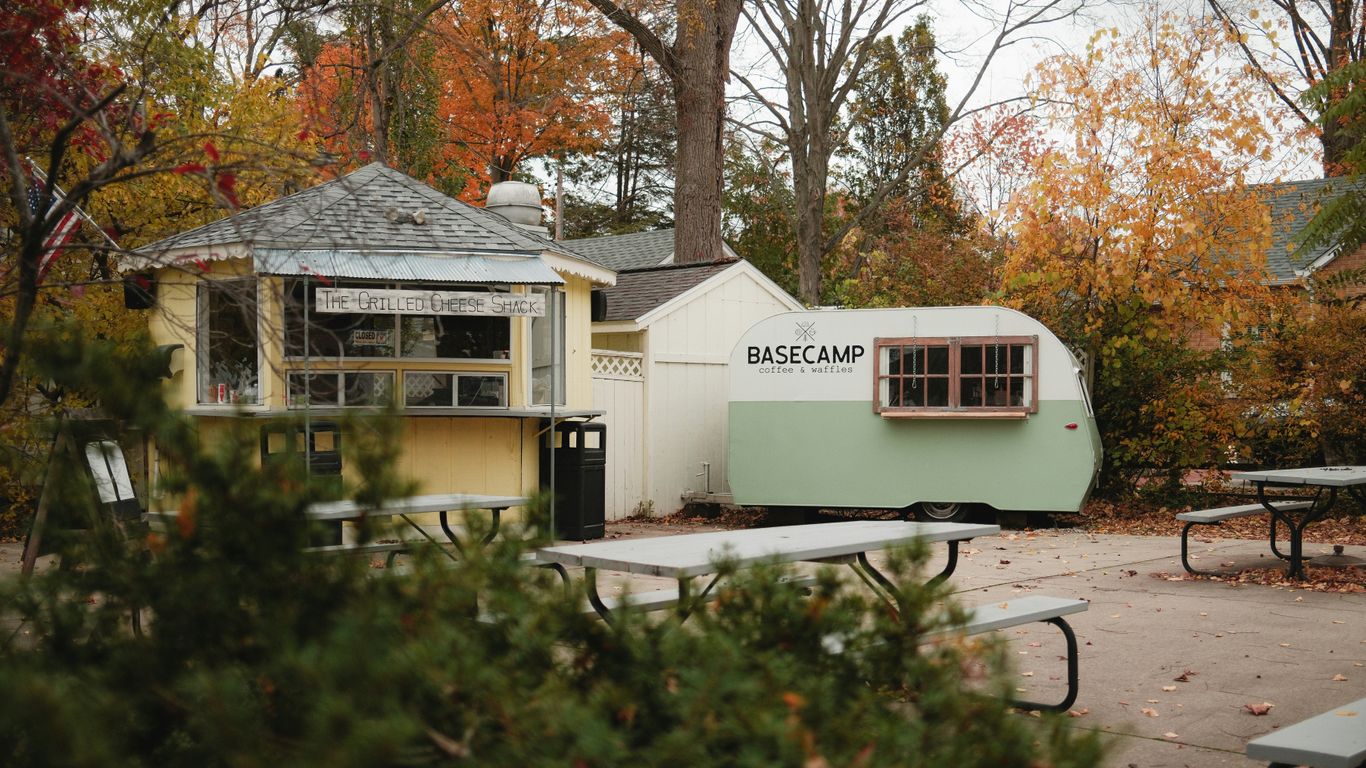
Food trucks are ideal when you want focused cooking and a casual setting. Trailer parks and food halls let you split up the ordering, which is helpful when one person wants tacos and another wants a burger or dessert. Look for shared seating, shade, restrooms, and posted hours before committing to a distant stop.
The best food-truck plan is usually to choose a cluster rather than a single trailer. That gives your group options and makes a small order feel like a tasting crawl. Bring a little flexibility: weather, private events, and ingredient shortages can change what is available.
Patios, rooftops, and outdoor dining
Outdoor dining is one of Austin’s great pleasures, particularly in the cooler months. A shaded patio can turn a quick lunch into a long afternoon, while a rooftop brings skyline views and a more social nighttime mood. In summer, though, ask whether the space has fans, shade, or misters before booking it for a full meal.
Weather changes quickly, so have an indoor backup for important reservations. Patios also vary in accessibility and noise, and some are better for drinks than for a quiet dinner. Choose based on the kind of conversation and comfort you want.
Live-fire cooking and open-kitchen restaurants
An open kitchen gives you a closer look at timing, grilling, plating, and the energy of a busy service. Live-fire cooking often brings char, smoke, and caramelized edges to vegetables as well as meat. If you prefer subtle flavors, ask how smoky or spicy a signature dish is before ordering.
Seats near the action can be entertaining, but they may be warmer or louder. For a first visit, let the staff steer you toward a balanced order: one dish that shows the fire, one fresher plate, and a side that can absorb the sauces. The contrast makes the meal more interesting.
Tasting menus and chef-led experiences
A tasting menu is a good fit when you want the kitchen to set the pace. Courses may arrive as small bites, composed plates, or larger shared moments, and the total meal can last several hours. Ask about substitutions, beverage pairings, and the full price before you confirm.
These experiences reward diners who are comfortable with surprise. If you have strong dislikes or allergies, communicate them clearly at booking. Otherwise, keep an open mind and pay attention to how the sequence moves from bright and light to richer flavors.
Plan around Austin’s local dining culture
Good planning does not make an Austin meal feel rigid; it keeps small logistical problems from taking over the evening. Reservations, traffic, weather, and service customs all affect what you can realistically fit into a day. Leave room for spontaneity, but protect the meals you care about most.
When to make reservations
Reserve for tasting menus, fine dining, popular date-night rooms, and groups larger than four. For barbecue counters and food trucks, reservations may not be the issue; arriving early, checking ordering rules, and knowing the service window matter more. Always confirm the restaurant’s current policy because booking systems and hours change.
If you are building a weekend around one destination meal, reserve that first. Then fill in casual breakfasts and lunches nearby. This approach gives you structure without turning every taco into an appointment.
Peak dining times and busy seasons
Friday and Saturday evenings are the most competitive, with brunch and festival weekends adding their own pressure. Austin’s pleasant-weather months are especially active on patios, while major events can make central neighborhoods much busier than usual. A late lunch or early dinner can be easier than the traditional seven o’clock slot.
Here is a simple way to choose your timing:
- Book the anchor dinner before planning the rest of the evening.
- Arrive early at walk-in barbecue counters and food trucks.
- Choose weekday lunches for a calmer first visit.
- Allow extra time during concerts, festivals, and large conventions.
This timing strategy gives you more choices and reduces the chance that a line or delayed table will derail your plans. It also leaves room to add a spontaneous snack.
Parking, walking, and transportation considerations
Downtown and South Congress reward walking, but distances that look short on a map can feel different in heat or after a large meal. East Austin parking can be limited near busy restaurant corridors, and the Domain is easier to navigate when you know which garage or lot serves your destination. If drinks are part of the plan, arrange a rideshare or designated driver before you sit down.
Check whether the restaurant validates parking, offers valet service, or has a pickup area. For a multi-stop food outing, choose one neighborhood rather than zigzagging across the city. You will eat better when the schedule leaves breathing room.
Dress codes, service charges, and tipping customs
Most Austin restaurants are casual, but fine dining and hotel restaurants may expect a more polished look. Read the reservation details for automatic service charges, large-party fees, corkage, and cancellation terms. A service charge is not always the same as a traditional tip, so ask how it is distributed if the wording is unclear.
Tipping customs can vary by service model, but you should review the bill before adding anything. Counter-service restaurants may present a tip screen, while full-service restaurants generally expect a gratuity based on the quality of service. Clear communication is better than guessing.
Eat well on different budgets
You can eat memorably in Austin at nearly any price, but the experience changes with the budget. A taco breakfast or food-truck lunch may be the smartest use of a busy day, while a mid-range dinner gives you more time and variety. Save the largest spend for a meal whose cooking, setting, and pacing genuinely matter to you.
Affordable restaurants and local counters
Affordable Austin dining often means ordering one focused specialty rather than a sprawling menu. Breakfast tacos, slices, bowls, sandwiches, barbecue plates, and casual Mexican food can all deliver strong flavor quickly. Food halls are another useful option when your group wants to keep individual spending flexible.
Watch portion sizes and add-ons. A low menu price can rise with drinks, queso, dessert, or multiple small plates, while one generously built plate may be enough. For lunch ideas across price points, compare a practical Austin lunch guide before you choose a neighborhood.
Mid-range restaurants worth the splurge
Mid-range restaurants are often the sweet spot for visitors and locals: enough technique and atmosphere for a memorable night, without the commitment of a lengthy tasting menu. Look for a concise menu, well-made sides, and portions that encourage sharing. This category is also where you can try a new cuisine with less risk.
Spend extra when the difference is visible in the dish or the experience. A beautifully grilled protein, handmade pasta, or carefully balanced vegetable plate may justify the price; a long menu with generic options usually will not. Scan the menu in advance so you know which courses deserve the splurge.
Special-occasion dining in Austin
For a celebration, budget for more than the entrée. Drinks, pairings, dessert, tax, service charges, and transportation can change the final total, especially at tasting-menu restaurants. Decide whether you value a long guided meal, a striking room, a view, or a particular cuisine before you compare prices.
Tell the restaurant your budget if you are comfortable doing so. Staff can often suggest a satisfying route through the menu, and you may avoid ordering more than the table needs. The goal is a relaxed celebration, not a surprise bill that overshadows it.
How to build a food-focused Austin itinerary
A good food itinerary alternates ambitious meals with simple ones. Plan one defining experience each day, then keep breakfast, snacks, and one meal flexible. That gives you space to follow a smell from a trailer, revisit a favorite taco, or change course when the weather shifts.
Use this basic structure:
- Choose one neighborhood for each major meal.
- Reserve the hardest-to-get table first.
- Add a casual breakfast or lunch nearby.
- Leave an open slot for coffee, dessert, or a food truck.
After you sketch the route, check travel time and current hours. A shorter list of meals you can enjoy fully is better than an ambitious map that leaves you rushing from one reservation to the next.
Make the most of Austin’s signature food and drink scene
Food and drink are closely connected in Austin, but you do not need to plan an elaborate crawl to enjoy both. A brewery can follow barbecue, a cocktail bar can extend date night, and a coffee shop can anchor a morning walk. Think in small pairings that fit your neighborhood and appetite.
Pairing restaurants with local breweries and cocktail bars
Beer works naturally with smoked meats, tacos, fried foods, and spicy dishes, while cocktails can complement a slower dinner or late-night snack. Choose the restaurant first if the food is the priority, then find a nearby bar that matches the mood. This keeps transportation simple and avoids spending the whole night in transit.
Ask whether the restaurant has a thoughtful nonalcoholic list, too. A crisp zero-proof drink, iced tea, or house soda can be a better match for a hot afternoon than another cocktail. If you are driving, decide in advance who will stay alcohol-free.
Coffee shops, bakeries, and brunch destinations
Austin mornings are built for coffee, warm pastries, breakfast tacos, and leisurely brunch. Bakeries are useful early stops before a day of sightseeing, while brunch patios work well when you want to linger. Expect popular weekend places to have lines, especially when the menu includes specialty coffee or a signature pastry.
For a faster start, order one savory item and one sweet item to share. That gives you a sense of the kitchen without turning breakfast into a long wait. Weekday mornings are usually the easiest time to explore without planning every minute.
Seasonal ingredients and rotating menus
Seasonal menus reward repeat visits, but they also make online descriptions age quickly. A dish built around summer tomatoes, spring greens, or fall squash may disappear within weeks. If you have a specific craving, check the current menu rather than assuming an older recommendation still applies.
Rotating menus are especially good for diners who enjoy discovery. They can be less convenient for picky groups, so ask about reliable staples or substitutions before ordering. Save a photo or note of a favorite dish if you hope to find it again.
Austin food festivals and culinary events
Festivals, pop-ups, farmers markets, and special dinners can reveal a different side of Austin’s food culture. They are a chance to sample several vendors without committing to full restaurant meals, though lines and limited portions are part of the format. Go early, carry water, and decide whether you want breadth or one standout bite.
Check dates, ticket rules, vendor lists, and weather plans close to the event. A festival can be an excellent addition to a weekend itinerary, but it should not replace a reserved meal if you have a specific restaurant at the top of your list. For more menu-focused planning, SeeDish helps you explore Austin dining options visually and compare food before choosing where to eat.
Find Your Next Meal
When you are ready to turn a craving into a plan, use SeeDish to browse photographed dishes and narrow Austin restaurants by what you actually want to eat. It is a low-pressure way to move from “somewhere good” to a meal that looks right for your mood, budget, and neighborhood.
Conclusion
Austin rewards curious diners, whether you want brisket from a counter, tacos from a trailer, a long tasting menu, or coffee before a morning walk. Choose your neighborhood and occasion first, check the practical details, and let the dish guide the final decision.
Frequently Asked Questions
What food is Austin best known for?
Austin is best known for Texas barbecue, breakfast tacos, Tex-Mex, and creative interpretations of regional cooking. You will also find a broad range of global cuisines and strong plant-based options.
Which Austin neighborhood is best for restaurants?
It depends on your plans. Downtown is convenient for walkable nightlife, East Austin suits casual and creative dining, South Austin offers iconic local streets, and North Austin has many modern and international choices.
Do you need reservations at Austin restaurants?
Make reservations for tasting menus, fine dining, popular date-night restaurants, and larger groups. Many casual counters and food trucks do not take reservations, so arriving early is often the better strategy.
What is a good affordable meal in Austin?
Breakfast tacos, tacos, food-truck plates, sandwiches, bowls, pizza slices, and casual barbecue are dependable affordable choices. Compare portion sizes and add-on costs before ordering.
What should you eat in Austin for breakfast?
Breakfast tacos, pastries, coffee, and brunch plates are classic choices. Eggs, potatoes, beans, cheese, and breakfast meats make tacos filling, while bakeries are ideal when you want a quicker start.
Is Austin dining suitable for vegetarians and vegans?
Yes. Many Austin restaurants offer plant-based mains, vegetable-forward plates, bowls, tacos, and clear substitutions. For serious allergies, contact the restaurant in advance and ask about preparation and cross-contact.
What is the best way to plan an Austin food trip?
Anchor each day with one meal or neighborhood you care about, then leave flexible time for coffee, dessert, food trucks, or an unexpected stop. Check current hours, travel time, reservation policies, and seasonal menu changes.